Music management has always been one of the least understood jobs in the entertainment industry.
Most people only notice managers when artists become superstars. Suddenly, they appear in interviews, at award shows, in backstage photos, or standing quietly beside global stars during major moments. But what the public rarely sees is the emotional labor, strategy, patience, trust-building, and long-term thinking that goes into helping an artist navigate fame before the world fully arrives.
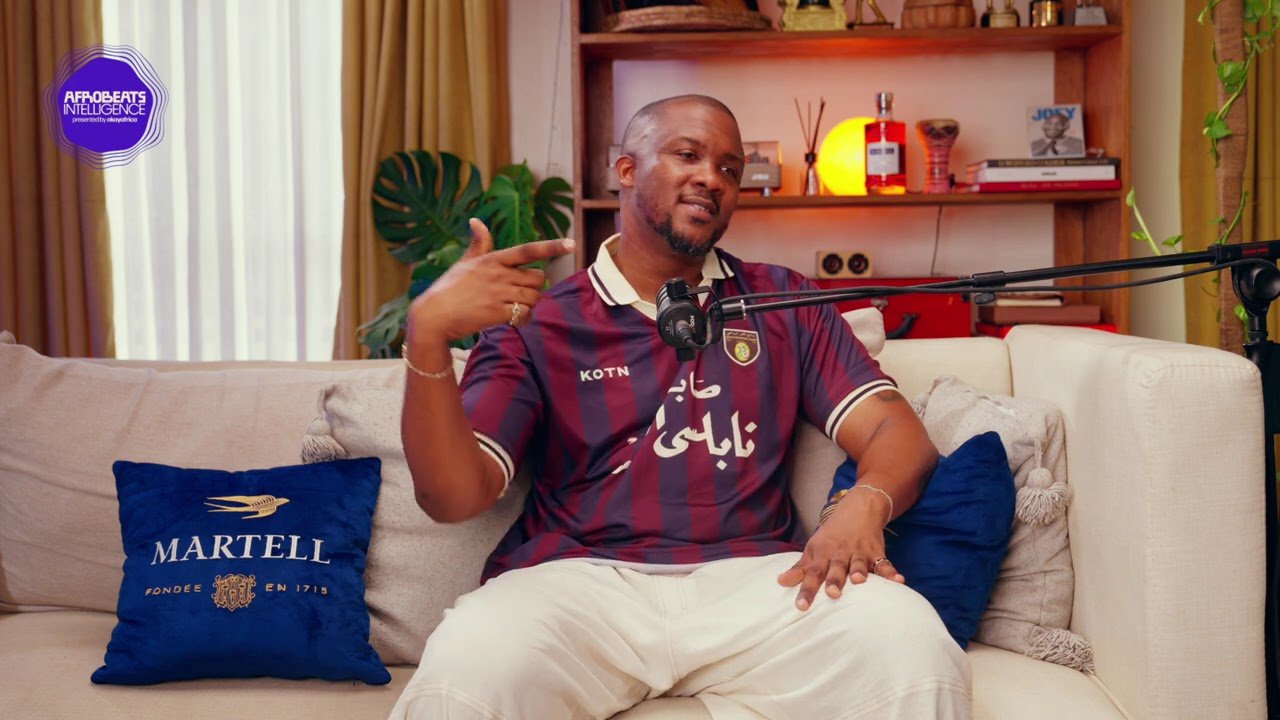
And maybe that’s part of what makes Wale Davies’ recent conversation with Joey Akan on Afrobeats Intelligence by OkayAfrica so interesting. Because instead of speaking about management like a business transaction, Wale speaks about it like something much more personal and delicate.

Most people know Wale Davies as one half of Show Dem Camp, one of the most respected rap acts to emerge from Nigeria over the past decade. Others know him through the Palmwine movement, which helped shape an entirely different lane within Nigerian music culture. But over the years, another part of his career has quietly become just as interesting: his role in helping support the rise of Tems before the rest of the world fully understood who she was about to become.
And what makes his perspective refreshing is that he doesn’t even seem particularly interested in calling it “management” in the traditional sense.
During the conversation, Wale compares managing an artist to a marriage. Not casually, but very intentionally. According to him, proper artist management requires fusing your life with another person’s ambitions, emotions, schedule, pressure, and long-term future. It is not just about booking shows or negotiating deals. It is about becoming deeply intertwined with somebody else’s journey.
That honesty immediately separates his perspective from the glamorous image people often have of music management.
Because behind every successful artist is usually an ecosystem of people quietly absorbing pressure in ways audiences never fully see. Managers are expected to think about logistics, relationships, opportunities, public perception, emotional stability, negotiations, growth strategy, and crisis management simultaneously. And in African music especially, where industry infrastructure is still evolving rapidly, managers often end up playing multiple roles at once: strategist, therapist, connector, protector, problem solver, and cultural translator.
But Wale seems deeply aware of how consuming that kind of responsibility can become.
That’s partly why he pushes back against the industry’s obsession with “signing” artists purely for ownership or control. At one point, he criticizes what he describes as the “gemstone mentality,” where artists are treated almost like collectibles, talents to acquire before somebody else does. It is a sharp observation because so much of modern music business culture revolves around possession. Labels want ownership. Teams want leverage. Everybody wants proximity to the next big thing before the rest of the industry catches on.

Wale’s approach sounds different. Far less transactional, and far more collaborative.
Rather than speaking about artists as investments to control, he speaks about support in a much more human way. Connecting people, sharing knowledge, and helping artists avoid mistakes. Creating environments where talent can grow properly instead of being rushed into exploitation.
And maybe that mindset says a lot about why artists like Tems were able to evolve the way they did.
Because long before Essence became a global phenomenon, before Grammy wins, stadium performances, Oscar conversations, and international co-signs, there had to be people around her who understood that building a lasting artist requires patience.
One of the most interesting parts of Wale’s conversation is the way he talks about investment. According to him, many artists focus too heavily on instant gratification instead of long-term build-out. He believes artists should invest deeply into their live shows, creative systems, visuals, communities, and infrastructure even before the rewards fully arrive.
That philosophy feels increasingly rare in an era where music careers often move at internet speed.
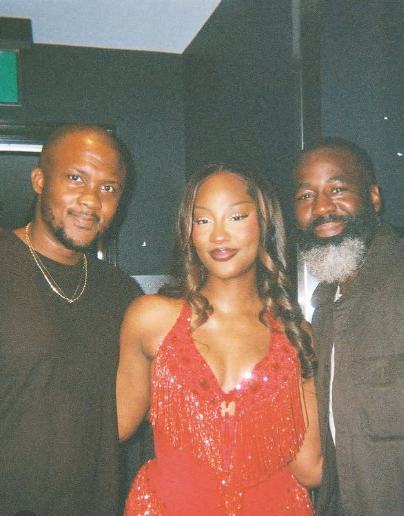
Today, artists can go viral overnight. One snippet can change somebody’s life entirely. But sustaining a career beyond virality is a completely different challenge. And perhaps that is where management becomes most important — not during the hype, but during the years of careful construction before the spotlight fully lands.
Listening to Wale speak, it becomes clear that some of the best management relationships are not built purely around business calculations. They are built around belief in the artist’s vision and belief in protecting creative identity long enough for the world to catch up.
And maybe that’s what makes managing somebody like Tems particularly amazing. Because managing a global artist today is no longer just about navigating music. It involves navigating culture itself. African artists now move inside international systems that often try to flatten them into marketable trends. Managers must help artists grow globally without losing the emotional and cultural specificity that made people connect with them in the first place.

Wale’s comments throughout the conversation suggest that he understands that tension deeply, perhaps because he is an artist himself. Unlike managers who enter music purely from the business side, he speaks from the perspective of someone who understands creative vulnerability firsthand. He understands how fragile artistic identity can become once industries, expectations, money, and global attention start entering the picture.
And maybe that’s why he keeps returning to the idea of fulfillment rather than control.
At one point, he explains that supporting artists gives him a sense of purpose beyond his own music. That perspective feels important because it reframes management away from ego and toward service. In an industry obsessed with ownership, visibility, and status, there is something refreshing about somebody speaking openly about helping artists simply because they believe in contributing to something larger than themselves.
That philosophy also connects to one of the most revealing ideas from the interview: Wale’s desire to “die empty.” By that, he means fully exhausting his creative potential while helping build culture around him. Whether through music, film, festivals, storytelling, or artist development, he seems driven by the idea that creators have a responsibility not just to succeed individually, but to leave infrastructure, opportunity, and culture behind for others.
Because behind every major movement in music history, there are always people quietly helping artists survive long enough to become who they were meant to be.
Read more Music stories from KLATMAG
Read more of KLAT x Afrobeats Intelligence Recaps
Listen to the Afrobeats Intelligence Podcast with Wale Davies
Written by Angel Joanne Okonkwo