There is a deeply interesting inaugural exhibition at the new Victoria and Albert Museum East Museum in Stratford, England. The exhibition will run until January 3rd, 2027.
For the better part of a century and a quarter, there has been an undeniable influence on British music, culture and language that has not always been fully appreciated. From Africa to the Caribbean and North America, Black music has been a strong force in shaping the distinctly British sound of the modern era, with the likes of Stormzy, J Hus and Olivia Dean, to mention a few.
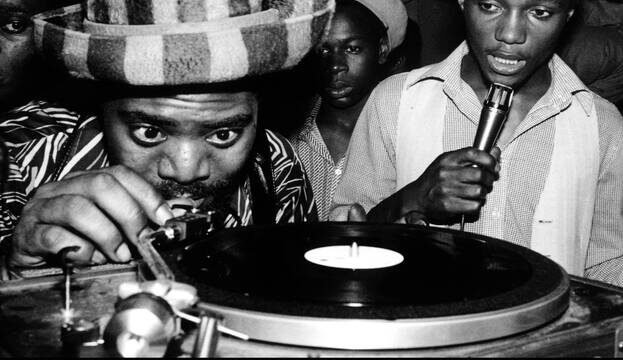
The exhibition is split into four acts and features over 200 objects. Attendees are promised an immersive experience, as they are given headsets to listen to 120 tracks across various genres such as grime, lovers rock, jungle and two-tone.
Some of the exhibition highlights on display include a picture of Skin performing in a clit-rock suit made by Daniel Pollitt at Glastonbury Festival in 2022; an acoustic guitar from 1964 donated by Joan Armatrading; Skepta and Jammer’s Run the Road at Fabric in London, photographed by Sam White in 2005; a sign from the Blue Note Club made by Tom Hingston in 1993; stagewear customised and worn by DJ Paulette in 1992; and photographs of Big Mama Thornton and moments of anti-racism movements captured through music.
These items represent the obstacles artists from different generations had to overcome in order to create. One of the strongest examples of this inspiration is Joan Armatrading’s story. Her mother bought her a guitar after seeing it in a pawn broker’s window. Even though the guitar was faulty, she taught herself how to play.
The exhibition does a great job of finding items that represent moments in time, moments that show people how to overcome whatever is holding them back and still create from those spaces. It is also a powerful way for younger people to see themselves in these stories. To see people who look like them, who created from whatever little they had, and realise that they can do it too.
It seems that the V&A director Gus Casely-Hayford and curator Jacqueline Springer have a clear message they want to pass across, which is getting a younger generation interested in museums and their own history. So much so that they consulted over 30,000 people between the ages of 16 and 24 while putting the exhibition together. That alone shows the amount of thought that went into the process, allowing younger people to understand history and appreciate the 125-year journey it took to create the sound that exists today.
Just like the exhibition runs through the arrival and evolution of Black British music over the last 125 years, this article does the same.
To understand Black British music today, you have to go back to the beginning. Long before grime, drill, UK R&B or Afrobeats found a home in Britain, the foundations had already been laid. In the early 1900s, Samuel Coleridge-Taylor was commissioned to provide music for the first Pan-African Conference, marking an early connection between Black identity and music on an international stage. His work would later achieve success across the US and Europe.
By 1914, ragtime and blues were evolving into jazz, with figures like James Reese Europe helping introduce the sound to wider audiences. In the years that followed, jazz became one of the first major cultural shifts in Britain, with artists like Louis Armstrong and Duke Ellington bringing that sound to London.
The 1950s brought rock’n’roll, a genre built on the work of Black artists like Little Richard and Chuck Berry. Around that same period, Winifred Atwell became the first Black artist to score a British number one, while Shirley Bassey would later become a national icon through her Bond theme songs.
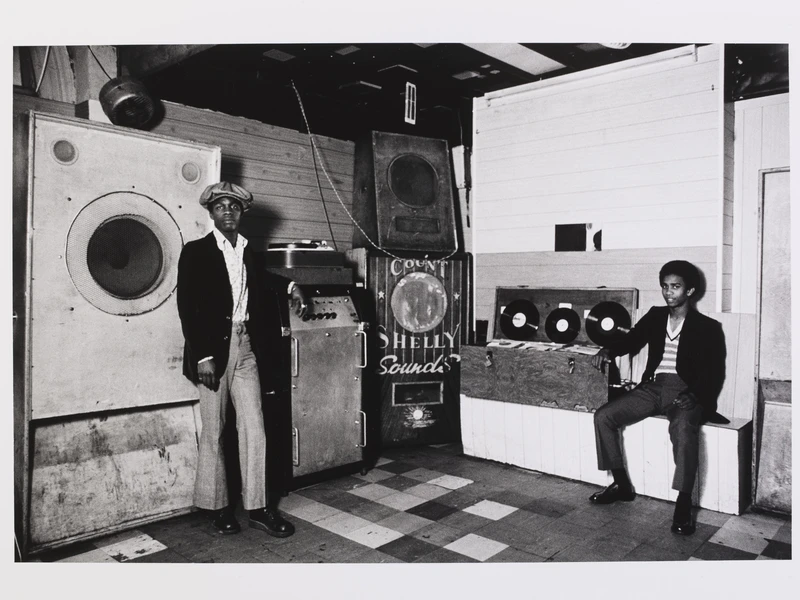
By the 1970s and 1980s, Black British music had grown into its own. Lovers rock, Brit-funk and acid jazz created space for new sounds and new stories. Janet Kay’s “Silly Games” became a landmark moment, while Sade pushed Black British artistry further into the mainstream.
The 1990s and 2000s shifted the landscape completely. UK garage, jungle and grime created a new generation of British sound, led by artists like Dizzee Rascal and Skepta. These genres were raw, local and deeply tied to the realities of urban Britain.
Then came Afrobeats, entering British radio and culture in the 2010s, building a stronger bridge between Africa and Britain’s music ecosystem. Alongside drill, jazz revival and the new wave of UK R&B, Black British music continues to evolve.
What this history shows us is simple: Black music has never just existed in Britain; it has shaped it. From Kingston to Lagos, Accra to London, these sounds and experiences have helped build the foundation of British music as we know it. Its rhythm, culture and diversity are deeply rooted in the Caribbean and African diaspora, and the story is still unfolding.
Read more Art and Culture stories from KLATMAG
Written by Maria Jonah
Edited by Angel Joanne Okonkwo