If you’ve been paying attention to the cultural wave sweeping through African media, from intentional storytelling to talent rising on their own terms, then you’ve probably felt the influence of Úrú Collective, whether you realised it or not.
And at the heart of it sits Nneka Mogbo: Nigerian-American, former diplomat, certified overthinker (her words, not ours), and the woman quietly connecting Africa and the Middle East to the global stage with strategy, soul, and so much more confidence.
KLAT sat down with Nneka to talk about her journey, her wins, the chaos of talent management, and why Úrú is building careers for the long run, not just the viral moment.
KLAT: What inspired you to transition from international diplomacy and cultural programming into the entertainment and talent management space, and how did you come to found Úrú Collective?
Nneka: I’ve always been fascinated by the intersection of culture, people, and storytelling through music. As a Nigerian-American growing up in Georgia, I grew up listening to Osadebe then later Umm Kulthum. I was just curious about sounds from other regions – particularly around Africa and the Middle East. My early work in diplomacy and cultural programming taught me how powerful narratives are in shaping perception and policy. I also saw a gap — so many of our most compelling African and Middle Eastern voices weren’t being platformed in ways that matched their talent. I founded Úrú Collective as a way to merge my global networks with creative industries, building a bridge between untapped talent and the platforms that can amplify them. It’s about moving from cultural exchange to cultural ownership.
KLAT: Úrú Collective is focused on amplifying African and Middle Eastern voices. Can you share some of the key challenges you’ve faced in developing talent from these regions, and how Úrú is addressing them?
Nneka: Ugh, so many challenges. The first one is awareness. It’s not the norm to be a speaker agency representing a niche or what people might call “non-sexy” talent. So a lot of my early conversations were basically me explaining who we are, why we matter, and — if I’m speaking to a potential client — how we can actually help them. Then there’s infrastructure. A lot of the talent or campaigns we’ve worked on needed more than just signing a deal and transferring funds. You have to usher in project management, hire the right people, and maintain quality control. Many of the first deals we did were one-offs and, honestly, a little extractive — “What can we get from this region?” For me, it was about shifting that to: “What system can we build together?” I’ll admit, for a minute I got stuck accepting those one-offs, but I had to accept what Úrú actually is. We’re not a short-term agency. We’re focused on long-term agility and sustainability for our clients. Will Joey have a retirement fund? What conferences will Bukola Sawyerr-Izeogu be speaking at in 2027? That’s the level we’re thinking on. And yes, it’s hard. Globally we’re in an economic recession, but we won’t be here forever. So, in summary: awareness, infrastructure, and embracing our identity as a long-vision agency. It’s not always lucrative (cries in cashflow), but it’s important.
KLAT: How did the partnership between Afrobeats Intelligence and OkayAfrica come about, and what role do you think such partnerships play in the global recognition of African culture?
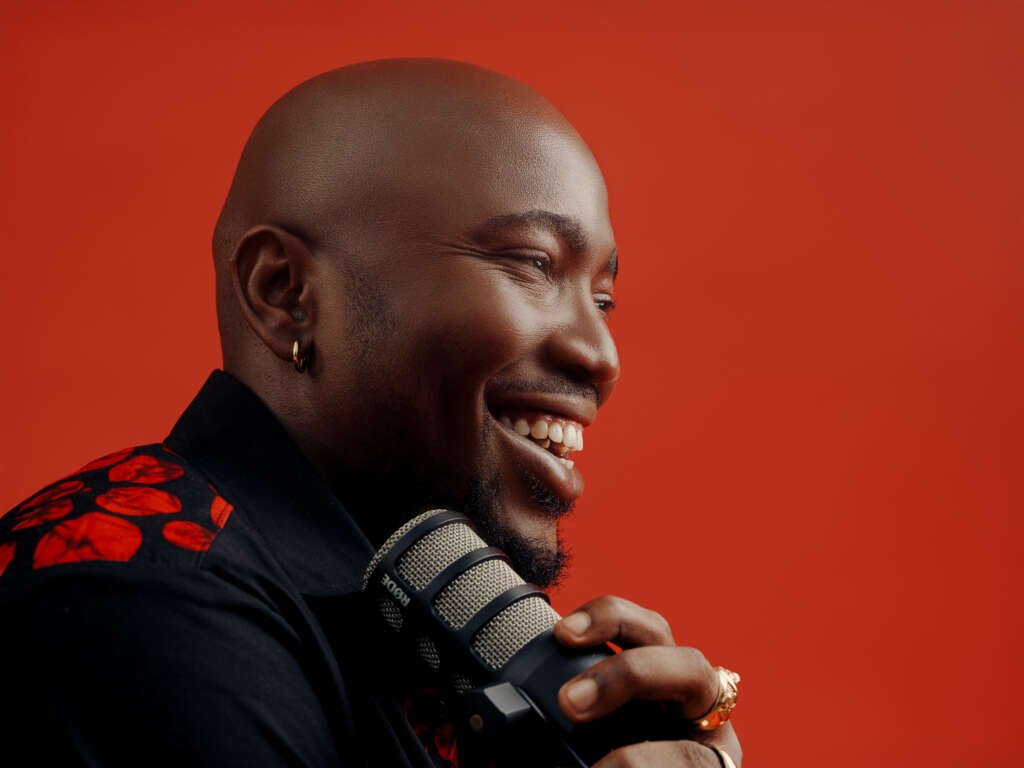
Nneka: I met Joey in 2023 — and honestly, I had just landed in Lagos and had no idea who he was. I started managing him and handling the operations of Afrobeats Intelligence: production, payments, logistics… all the unglamorous but essential parts that keep a show running.
By then, Joey had already built a loyal audience through Substack and the podcast, telling African music stories with a depth and personality you rarely see. Towards the end of 2023, we had a conversation: it was time to scale Afrobeats Intelligence. From there, we began pitching to brands and media houses. I focused on bringing in partnerships with Martell and Oraimo Nigeria, while Joey continued pitching to media
houses, investors, and delivering the kind of interviews that make the podcast a cultural touchstone.
Then one sunny rainy-season afternoon, Stephen Hendel and later, CEO of OkayAfrica,Isha Sesay, reached out to Joey via a mutual connection. What started as a friendly conversation turned into business negotiations, and we eventually signed a co-ownership deal for the Afrobeats Intelligence podcast with OkayAfrica. We celebrated… and then I thought, “Oh wait — now we actually have to build a team that’s viable to scale this show.” That’s when the real work began. Overnight, I built a Lagos-based production team under Úrú Collective for the podcast while OkayAfrica worked from New York. This partnership matters because it’s proof that African stories are not just “good enough” for the global stage — they belong there. Afrobeats Intelligence is where you go to find the soul of this industry. Joey and OkayAfrica are both “soul brands” — deeply invested in guests, stories, and making an impact. And Úrú Collective is the connective tissue that made that bridge possible.
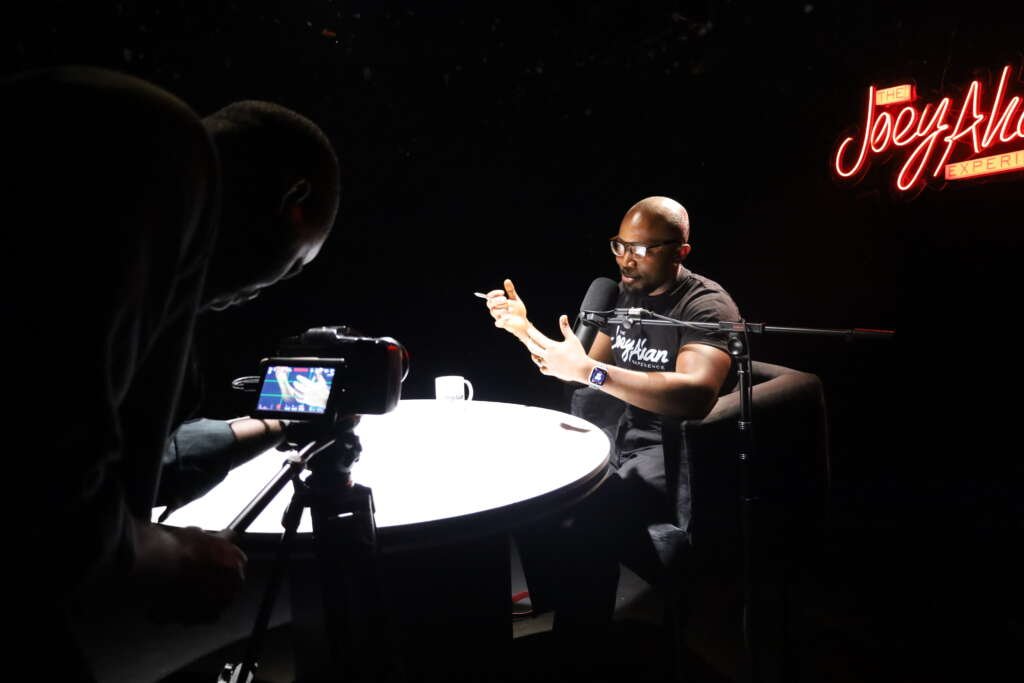
KLAT: With over 15 million views for Afrobeats Intelligence, how do you approach content creation to ensure it resonates with both African audiences and a global audience?
Nneka: Truthfully, we don’t have virality in mind — as cliché as that sounds, we really don’t. There are already enough platforms that focus on the celebrity, the headlines, and the surface-level narratives of our greatest musicians, artists, and executives. Very few go
deeper to speak to the soul of their work. With Afrobeats Intelligence, our approach is rooted in intentionality. We think about what will still feel valuable five or ten years from now. We focus on cultural context, personal history, and creative process — the things that make someone’s contribution timeless rather than just trending. If we can capture the essence of their journey, the audience — whether in Lagos or Los Angeles — will feel it. That’s the goal. To keep an evergreen voice throughout our episodes; whether you’re listening to Tiwa Savage’s 2025 interview in 2026 or 2030 – you should still feel and have a peek into her essence.
KLAT: How do you select the talent that Úrú Collective works with? What qualities or factors do you look for in potential partners?
Nneka: First, it’s about connection — not just whether we get along personally, but whether there’s a genuine alignment between your vision and ours. Úrú Collective works with a long-term lens, so we’re looking for talent who can see a gap in their industry or craft and are actively working to fill it. Not just dreaming about it, but already building toward it. Our roster isn’t made up of people who are simply “good” at what they do — they are thought-leaders and practitioners who command respect in their fields, whether that’s music, journalism, communications, or film. They understand their craft deeply, they’re committed to growth, and they have something original to say. We also look for traction. Do you have an audience that’s already engaged with your work? Are people invested in your journey because they see value, relevance, and authenticity in what you’re building? For us, talent is about more than fame; it’s about influence, impact, and the potential to shape narratives in ways that last. When we take someone on, we’re thinking about what their career will look like in five, ten, or even twenty years. That’s why we’re selective. We’re building careers with staying power, and that requires talent who are both exceptional in their craft and committed to the long game.
KLAT: Can you talk about your work with Mimi Chaka and how her career aligns with the broader mission of Úrú Collective in terms of promoting diverse African narratives?
Nneka: Mimi is a class act. She starred in The Men’s Club at a pivotal time — when Nollywood’s online series were transitioning from the Asaba market model to platforms like Amazon Prime, Netflix, and major YouTube networks. She was part of that wave that redefined how African stories could be produced and consumed globally. We specifically chose Mimi because of her intentionality — the way she approaches her craft with thoughtfulness, depth, and purpose. As she re-enters the market after such a profound personal loss, I’m personally invested in making sure she’s not just visible, but well received and genuinely supported. We’re currently building a platform and a film, to be announced later this year, that will showcase her range beyond acting and content creation. Mimi took a step back in 2020 to care for her mother during her terminal illness, and after her passing, she allowed herself the time to grieve and rebuild. Now, she’s back — with a role in To Kill A Monkey and a slate of soon-to-be-announced blockbusters.
What excites me most about working with her is how she’s merging her emotional depth on screen with her work as a life coach. Together, we’re exploring ways to fuse these facets of her identity — the storyteller, the guide, the human — into work that resonates far beyond entertainment.
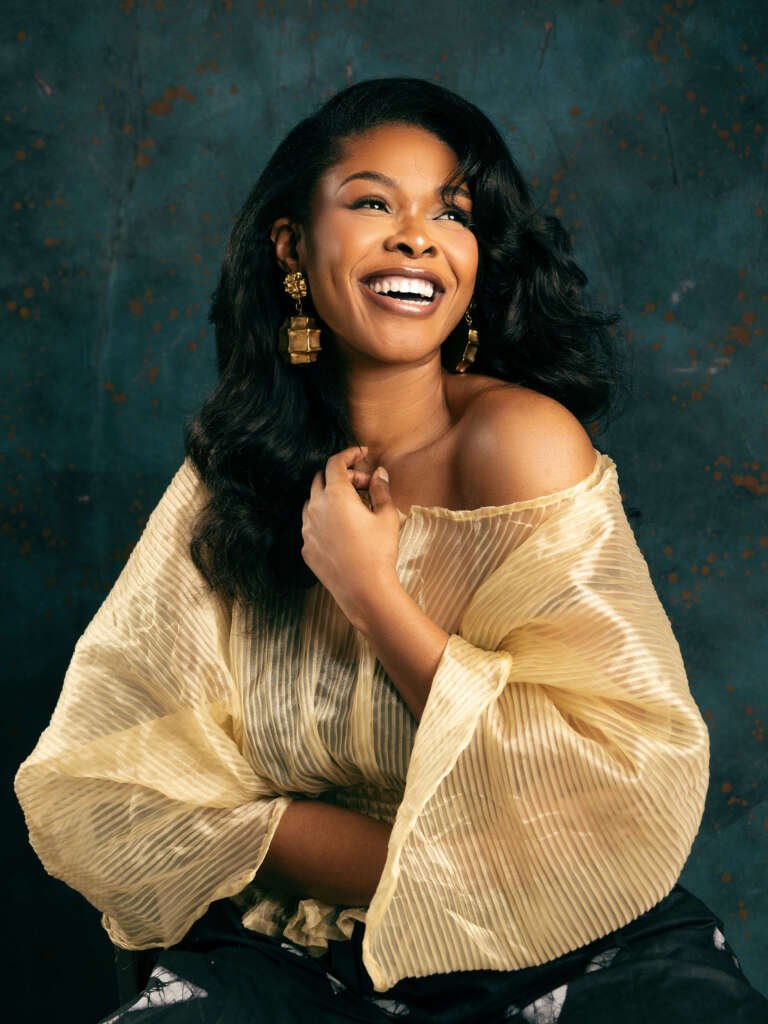
KLAT: In what ways is Úrú Collective different from traditional talent management agencies, and how do you leverage your cross-continental perspective to benefit your clients?
Nneka: We don’t just manage talent — we walk with them. Traditional agencies often focus on landing the deal, but in our markets, that’s not enough. You have to be there end to end: shaping the opportunity, ensuring delivery, managing execution, and structuring it so the final result overperforms. What sets Úrú Collective apart is that we think like ecosystem builders, not just dealmakers. My experience across the U.S. and UK informs how I create the scaffolding around my clients so they can compete — and win — on a global stage. I’ve worked with top speakers, CEOs, photojournalists, and filmmakers internationally, and I bring that same standard to our roster. Our clients aren’t just talented — they’re great minds doing big things. They deserve more than a transactional approach; they deserve strategic, long-term positioning that ensures their work lives far beyond a single campaign. That’s the difference.
KLAT: What role do you see Úrú Collective playing in the future of African media, and how do you plan to expand the brand further across Africa and the Middle East?
Nneka: I see Úrú Collective becoming the agency that brands, media platforms, and companies turn to when they want intentionality and soul at the center of their work. We’re a speaker-first agency because every client we represent is fundamentally connected to their craft — and, at the most basic level, to teaching. Whether through music, journalism, film, or communications, they are educators in their own right, using their platforms to share knowledge, shift perspectives, and inspire. In the future, I want Úrú Collective to be more than a talent agency — I want it to be a cultural force. That means building cross-continental networks, incubating projects that travel beyond our borders, and creating systems that allow African and Middle Eastern voices to thrive sustainably. We’ll expand into more robust talent development programs, brand collaborations and original content, all with the same principle we started with: substance over spectacle. My long-term vision is for Úrú to be the bridge — the place where local brilliance meets global opportunity, without losing authenticity in the process.
KLAT: What does the process look like for developing branded content, and how do you ensure that the messages are authentic to both the talent and the audiences you’re targeting?
Nneka: The first question is always “why?” Why are we targeting a particular audience? Why this story, this angle, this moment? What are we actually giving? Once we’ve answered that, we move into “who” — who are we speaking to, and how do they already engage with the talent?
From there, we map out the intersection between the talent’s authentic voice and the brand’s objectives. That means deep research into the brand’s ethos, the cultural context of the audience, and the talent’s natural style. We never want it to feel forced. Once the concept is locked, we handle creative development end to end: scripting or storyboarding, assembling the right team, managing production, and overseeing edits. Even in post-production, we ask — does this feel like talent? Would their audience actually believe this message coming from them? Authenticity isn’t just about tone; it’s about alignment. If the message doesn’t feel lived-in for the talent or valuable for the audience, it’s not the right fit. That’s non-negotiable. My goal isn’t to sell Africa or the Middle East or the world just for the sake of selling – I want to make money, but not like that.
KLAT: As a woman in the leadership space, what challenges have you faced, and what advice do you have for other women looking to break into industries like entertainment, media, and cultural programming?
Nneka: It’s not a ‘sexy’ answer, but honestly, I’ve had to forget my gender to get things done. Thinking of myself as “a woman in XYZ space” can create an invisible glass ceiling here, so most of the time I pretend it’s not a factor. Someone actually asked me this last week, and my answer was the same — I have to operate like it’s normal to request a proper agreement, follow up via email, and send an invoice without flinching. I’ve also had to let go of being diplomatic and “soft” in every capacity. Advocacy — for myself and for my clients — means being direct, sometimes uncomfortably so, and refusing to shrink. I have an American accent and mannerisms that I can’t hide, therefore I must embrace all of myself. I can’t look at faces to gauge approval; I have to focus on the outcome. It’s important to be, as I like to say, a little delulu — to believe so firmly in the right to take up space that you move through resistance as if it’s not even there.
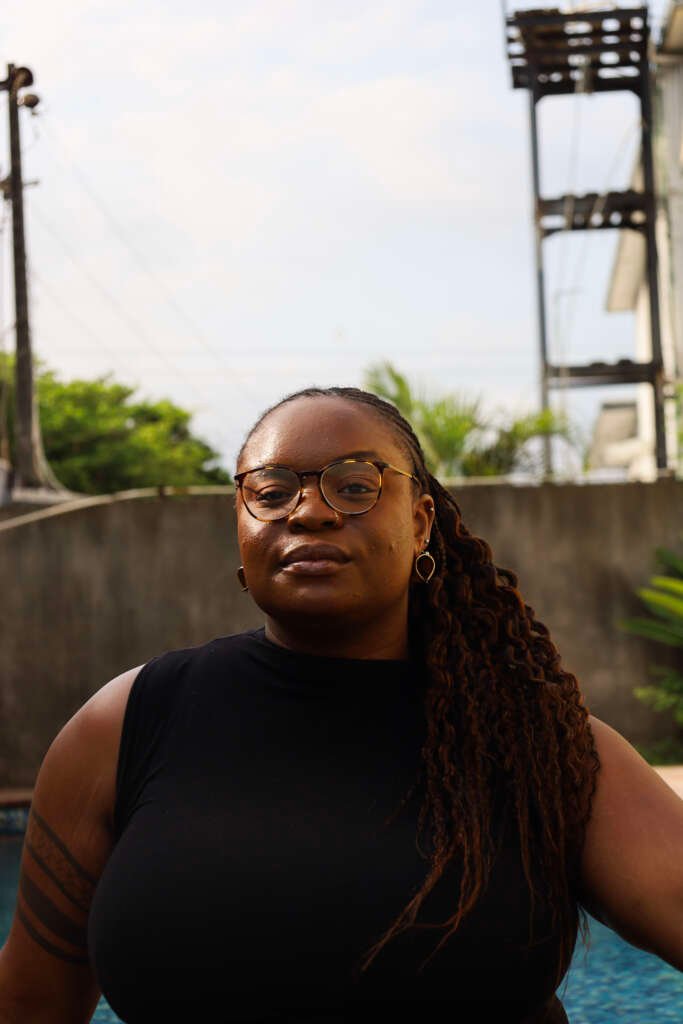
KLAT: As the founder of a company working with high-potential talent, how do you balance creative freedom with business goals when shaping the career paths of your clients?
Nneka: That’s something I’m still actively learning. It’s a constant dance between the long-term vision and the short-term realities. Yes, I’m building careers and legacies that will stand five, ten years from now — but in the meantime, salaries need to be paid, projects need
to ship, and growth has to happen in real time. I’m deeply connected to both the mission of Úrú Collective and its capital expansion. For me, creative freedom isn’t about letting talent do whatever they want; it’s about creating a structure that supports experimentation while still delivering results. Sometimes that means saying yes to opportunities that fund the bigger vision, and sometimes it means
saying no to lucrative offers that don’t align with the brand or the talent’s trajectory. The key is transparency — with my team, with our clients, and with myself. Everyone knows the “why” behind our decisions. That way, business goals and creative integrity aren’t at odds; they’re working toward the same outcome.
KLAT: How has Úrú Collective navigated the rapidly evolving digital media landscape, especially with platforms like YouTube and Facebook, to reach broader audiences?
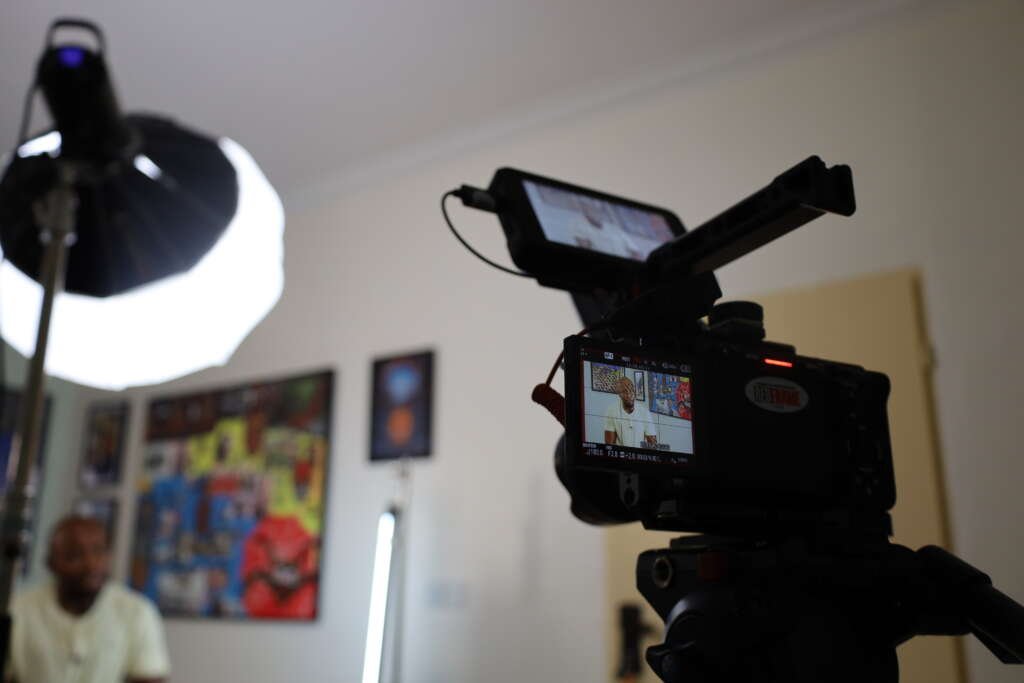
Nneka: Honestly, our biggest wins on Facebook and YouTube have been through Afrobeats Intelligence, and we’ve done that in partnership with OkayAfrica. With Joey, we knew early on that these platforms weren’t just dumping grounds for content — they were communities we needed to nurture. So, we got intentional. On YouTube, we lean into long-form, high-quality conversations — the kind you can sit with. On Facebook, we cut sharper, more shareable clips that pull people in and get them talking. It’s not copy-paste; each platform has its own rhythm, and we respect that. OkayAfrica has been a big part of that growth. They’ve brought their audience expertise, we’ve brought our production and structure, and together we’ve built something that feels consistent but still has personality. Behind the scenes, it’s a mix of pipelines, team coordination, and constant tweaking — because the digital space moves fast, and we have to move faster.
KLAT: What do you think is the biggest misconception about the entertainment and talent management industry in Africa, and how is Úrú Collective challenging that narrative?
Nneka: Within Nigeria, I think there’s this assumption that audiences are only craving gossip and virality. And sure, that exists — it will always exist — but it’s not what builds loyalty or a true cult-following around a platform. Virality fades; community lasts.
Africans are deeply interested in their own stories, in seeing themselves reflected honestly, and in having our own conversations without it being filtered or watered down for someone else’s gaze. The misconception is that depth won’t sell here, that people won’t engage unless
it’s scandalous or sensational. But time and again, I’ve seen the opposite — when you give people content that speaks to their identity, their history, and their aspirations, they show up. They invest. They keep coming back.
At Úrú Collective, that’s what we’re betting on — not the quick hits, but the platforms and voices that make people feel seen and valued. That’s where the long-term impact is, and that’s the narrative we’re challenging every day.
KLAT: Looking ahead, what’s next for Úrú Collective, and are there any exciting projects or collaborations in the works that you can share with us?
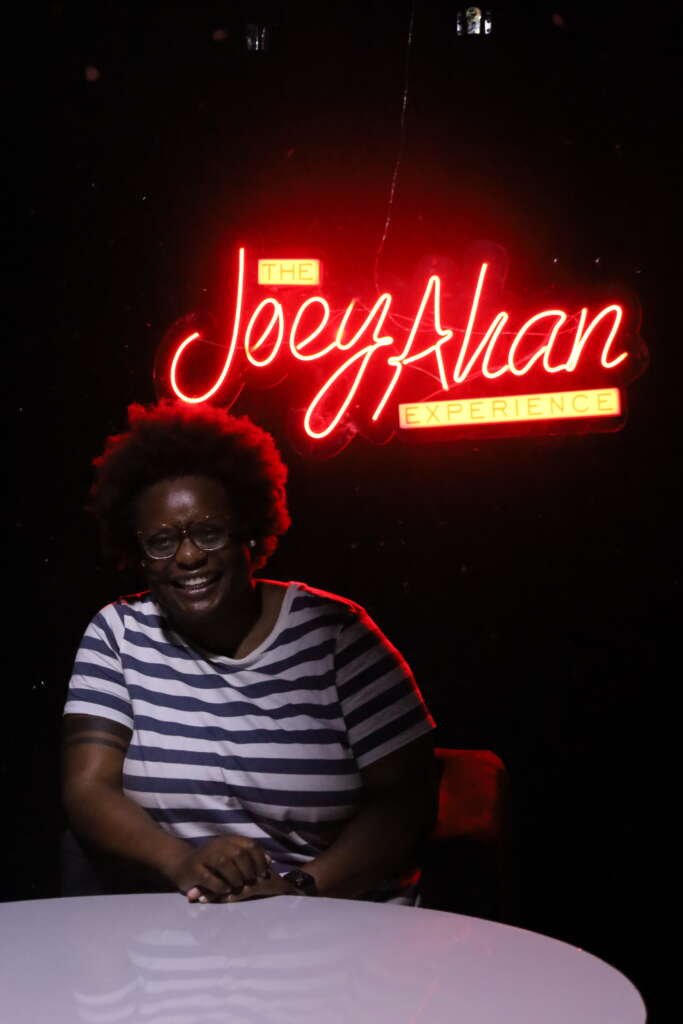
Nneka: We’ve got a lot coming. Joey Akan is launching The Joey Akan Experience, a partnership we brokered and now manage. It’s everything but music — conversations with thought-leaders, spiritual leaders, actors, filmmakers, humanitarians, even medical doctors — all diving into
the soul and conscience of their work. We’re also expanding into new spaces with travel and beauty partnerships out of the UAE, and later this year we’ll be announcing our very first management client in the Middle East. We’ve done partnerships in the region before, but this is our first roster signing there and I can’t wait to share more.
And Mimi is stepping into podcasting as well — an extension of her class act and a space where her emotional intelligence can really shine. For me, this next chapter of Úrú Collective is about expansion — geographically, creatively, and in the depth of stories we can tell.
Read more Art and Culture Articles from KLATMAG
To get involved with Uru Collective, Find them Here
Photography by Ramsey Ariguzor
Written by Angel Joanne Okonkwo