The Grammys have never been about quiet luxury. While some awards shows favor polished elegance, music’s biggest night thrives on risk, individuality, and personality. Well in 2026, fashion was all about saying something. Artists used their clothes, accessories, and styling choices to make statements, reflecting the social and political trends shaping the industry today.
At a moment when the music world is grappling with questions of representation, migration, and ownership, the Grammys became a platform where celebrities used fashion to make cultural commentary.
Red Carpet with Purpose
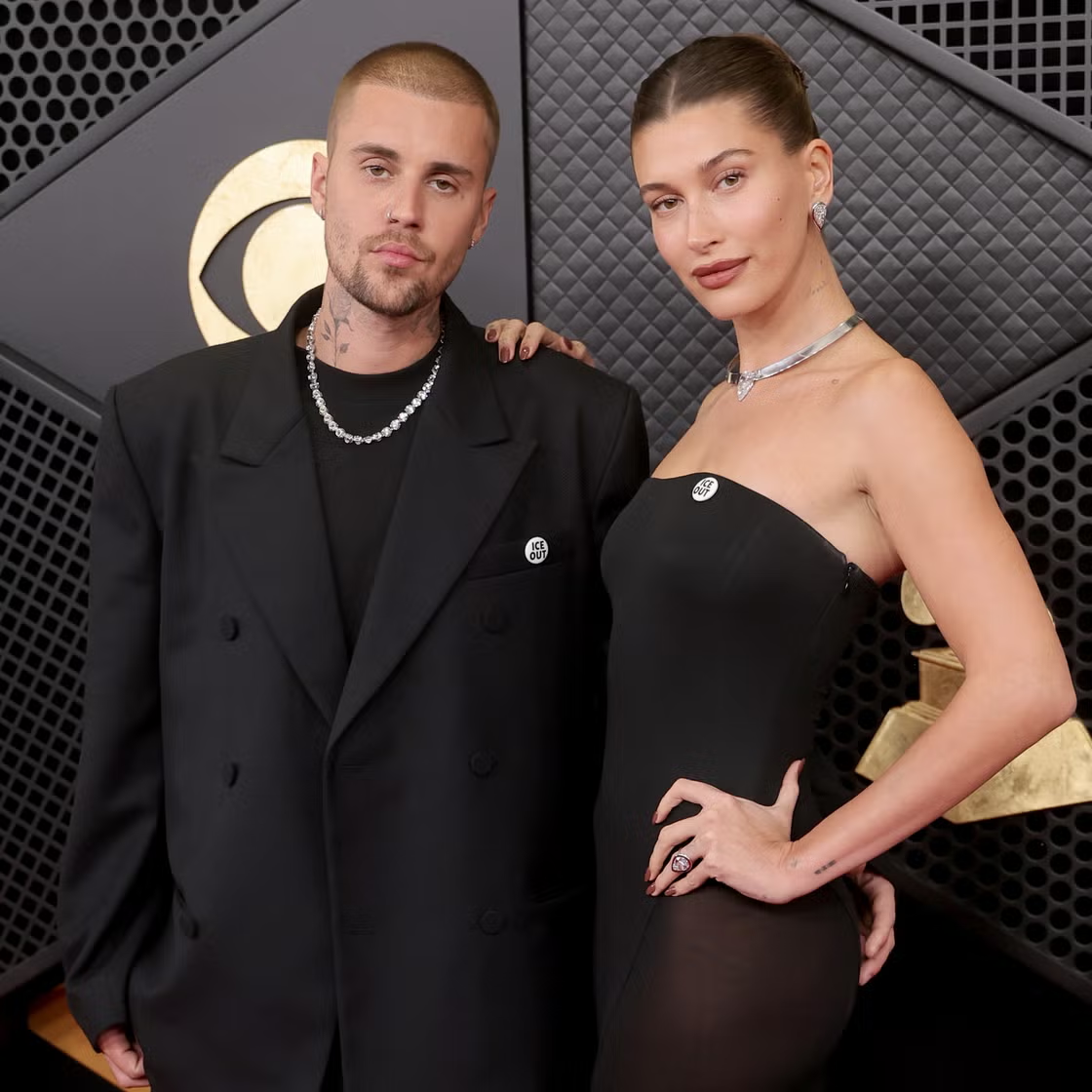
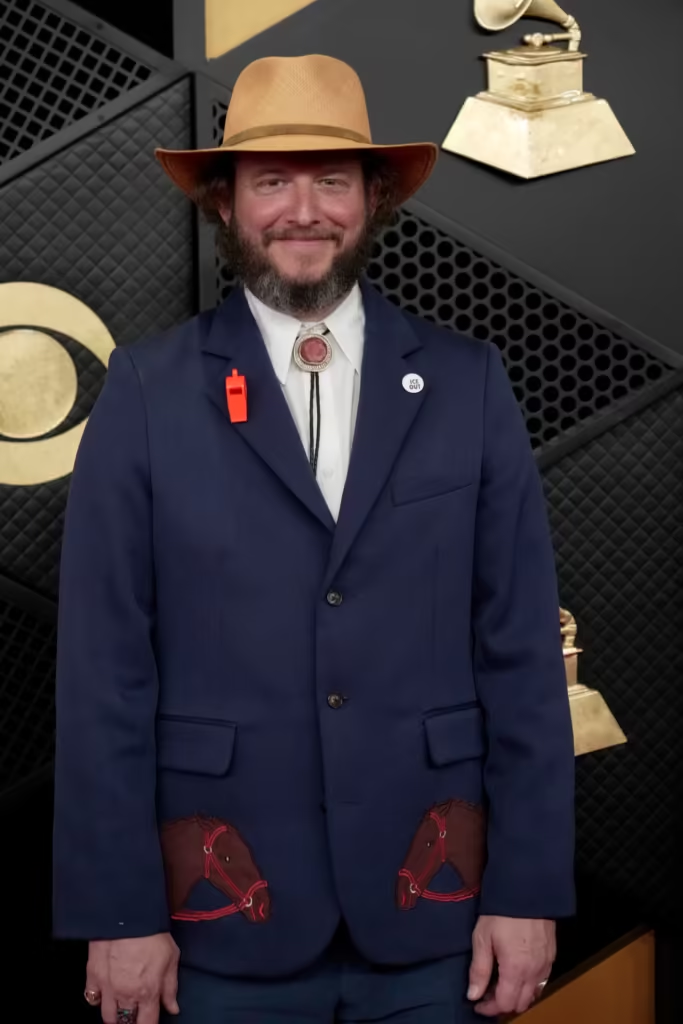
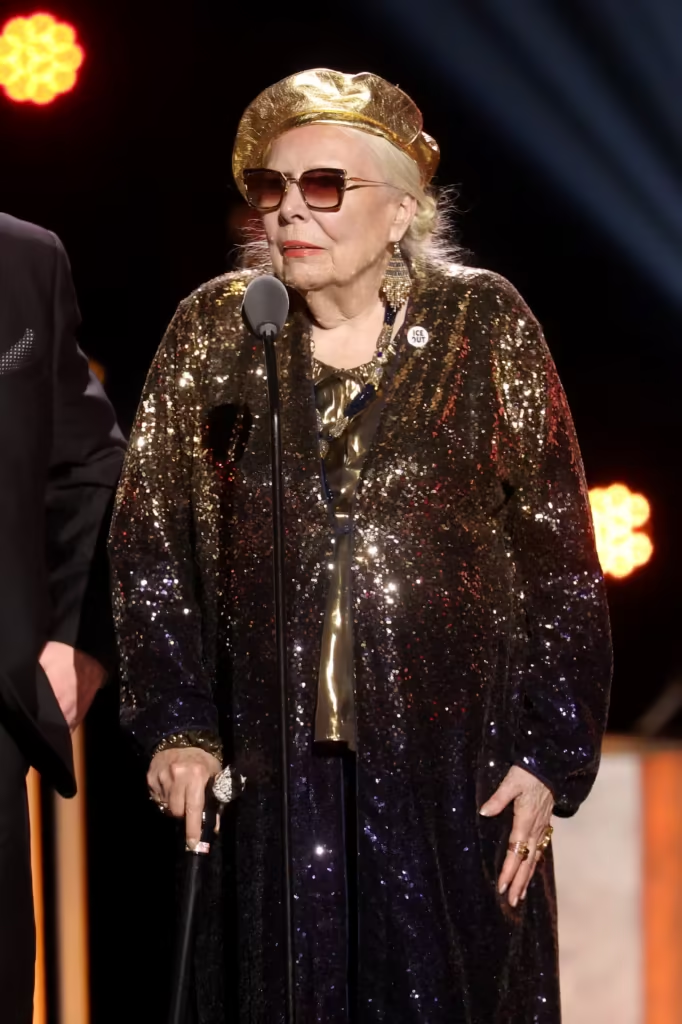
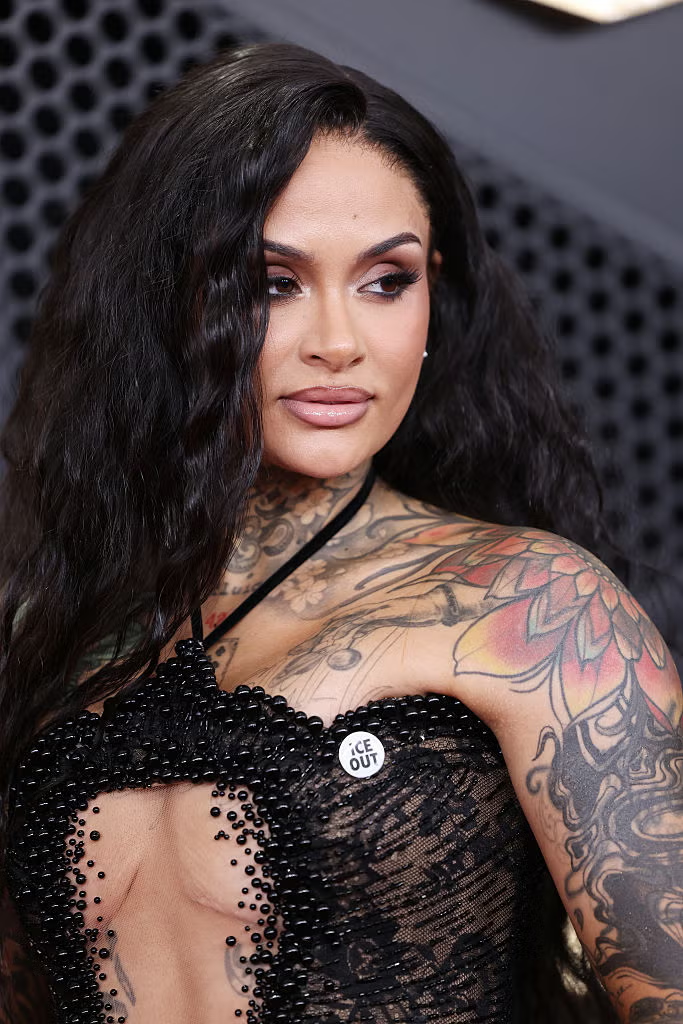
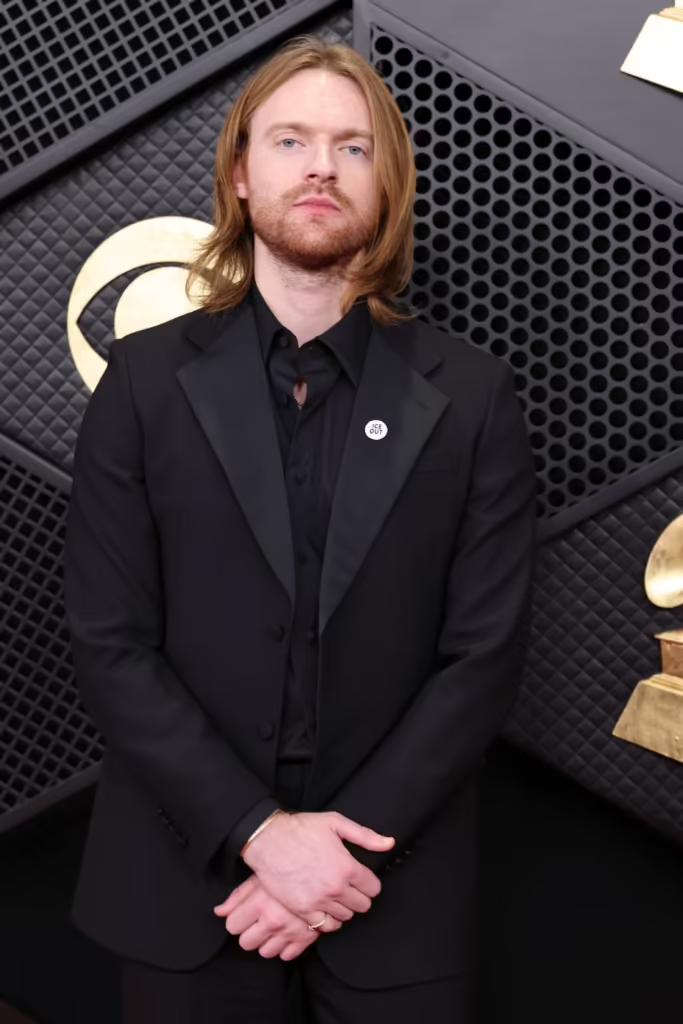
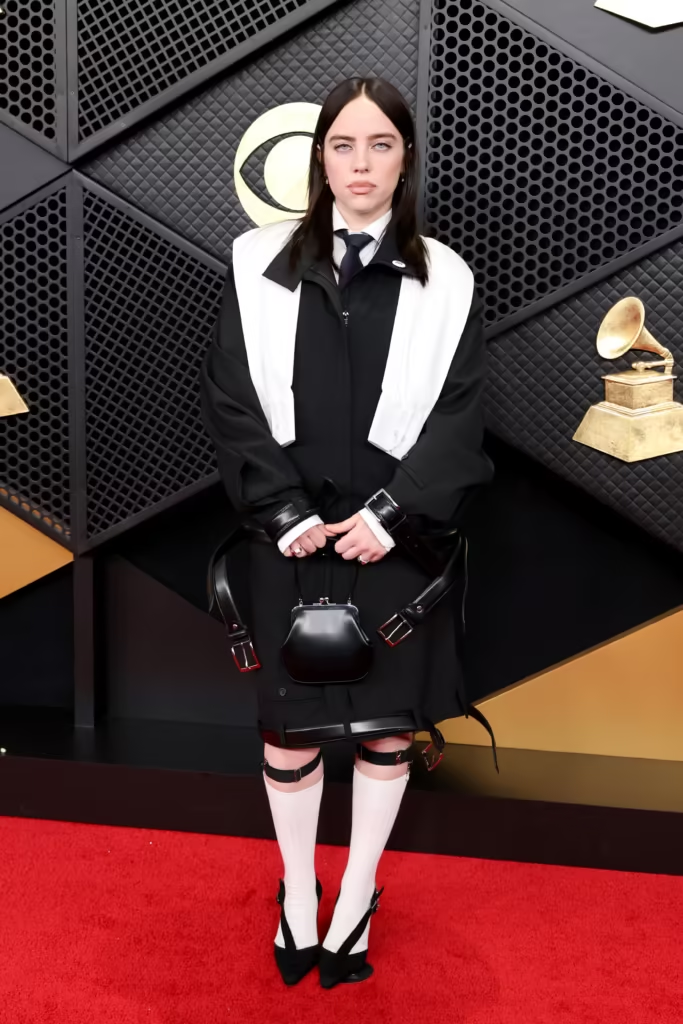
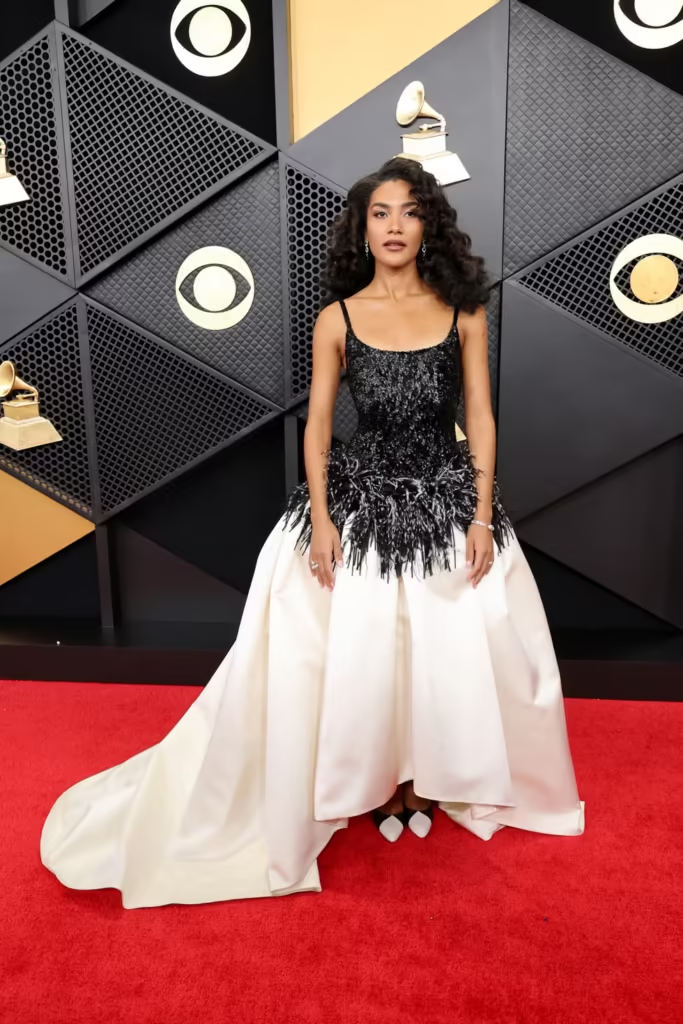
From the first looks on the red carpet, it was clear many attendees were dressing with intention. The now-iconic “ICE Out” pins appeared on gowns, suits, and streetwear, small symbols of solidarity with immigrant communities. These pins were messages meant to travel through photographs, social media, and headlines.
Justin and Hailey Bieber embodied that approach, arriving in coordinated outfits—Hailey in a sheer black Maison Alaia dress, Justin in an oversized Balenciaga suit—both sporting the pins. Their styling showed that the red carpet can be a place to communicate ideas, not just flaunt fashion. Other artists, including Billie Eilish and Kehlani, wore the pins as well, weaving a subtle story across the event.


Winners Who Said More Than Music
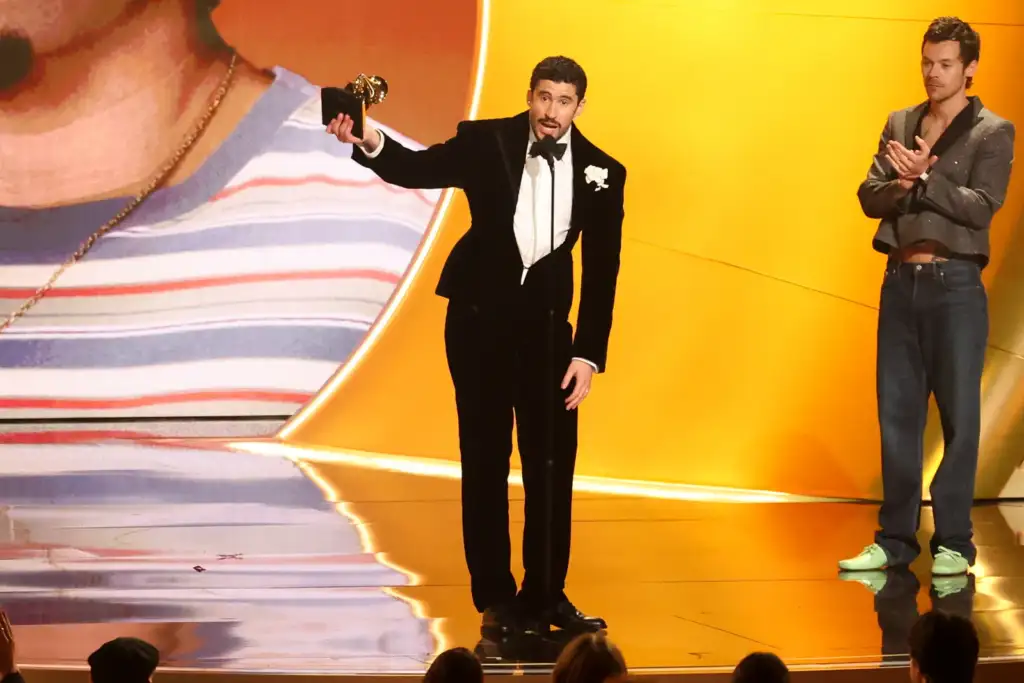
The intention carried onto the stage. Bad Bunny made history, winning Album of the Year for a record sung entirely in Spanish, along with Best Música Urbana Album and Best Global Music Performance. His Schiaparelli ensemble reimagined from a 2023 runway look combined masculine and feminine elements, with a bow tie, a single hoop earring, a diamond ring, and a white flower in his pocket. It was a statement about identity and freedom. His acceptance speech, which referenced “ICE Out,” showed the human side of migration and solidarity.
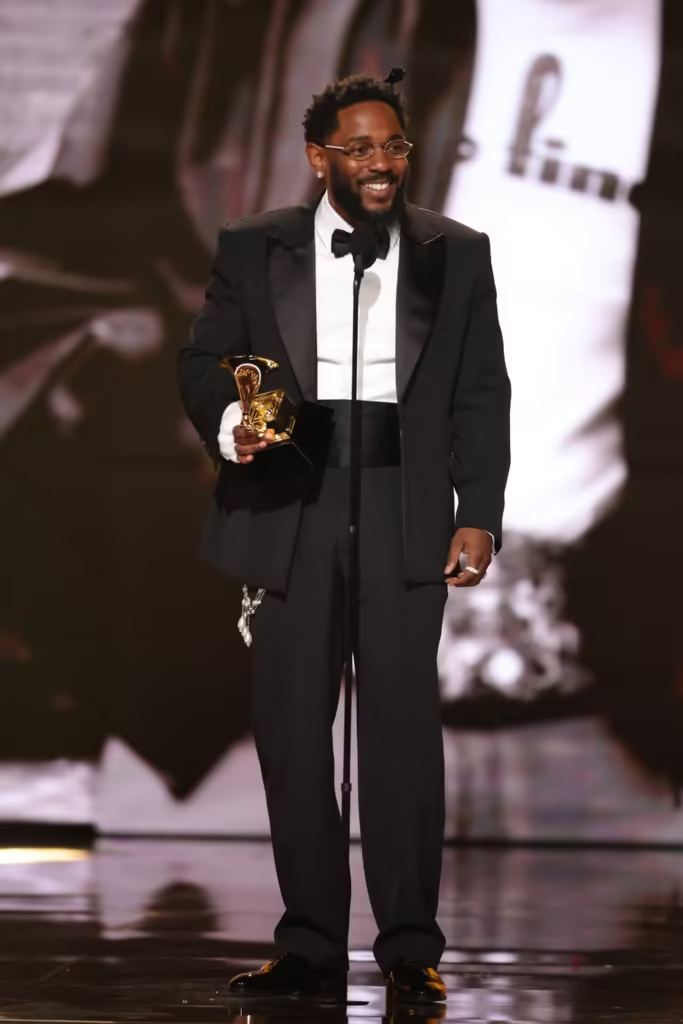
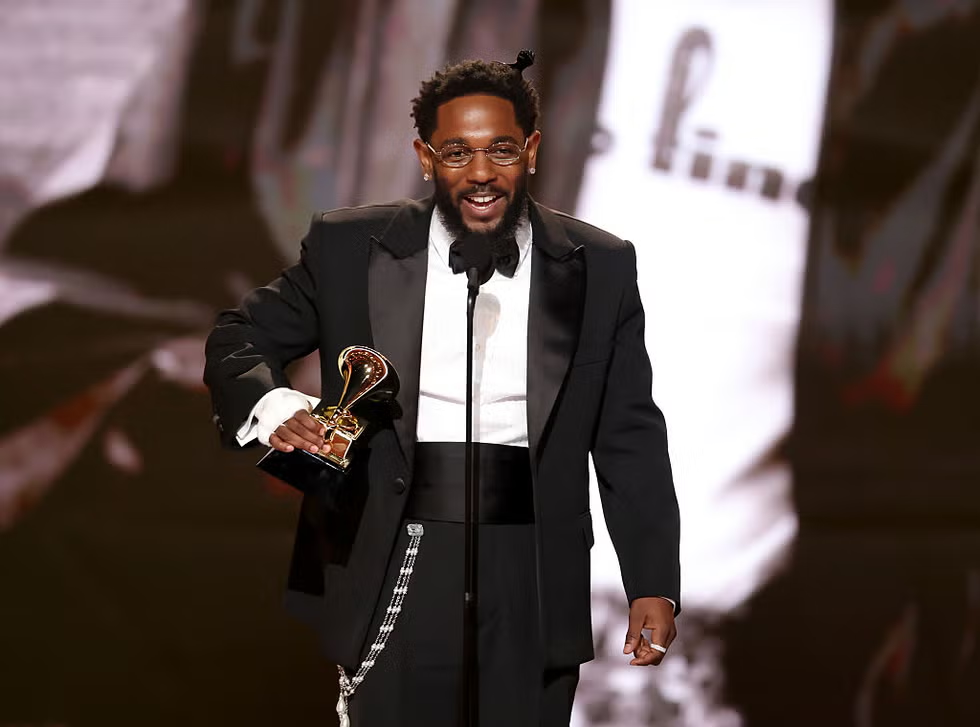
Olivia Dean, crowned Best New Artist, used her speech to highlight the courage it takes to immigrate, drawing on her own experience as a British artist of Caribbean descent. Shaboozey, winning Best Pop Duo/Group Performance for the first time, dedicated his moment to immigrants, reflecting on the opportunities his parents’ journey afforded him. Kendrick Lamar, now the most awarded rapper in Grammy history, combined style and statement, wearing intentional outfits that matched the depth of his speech.
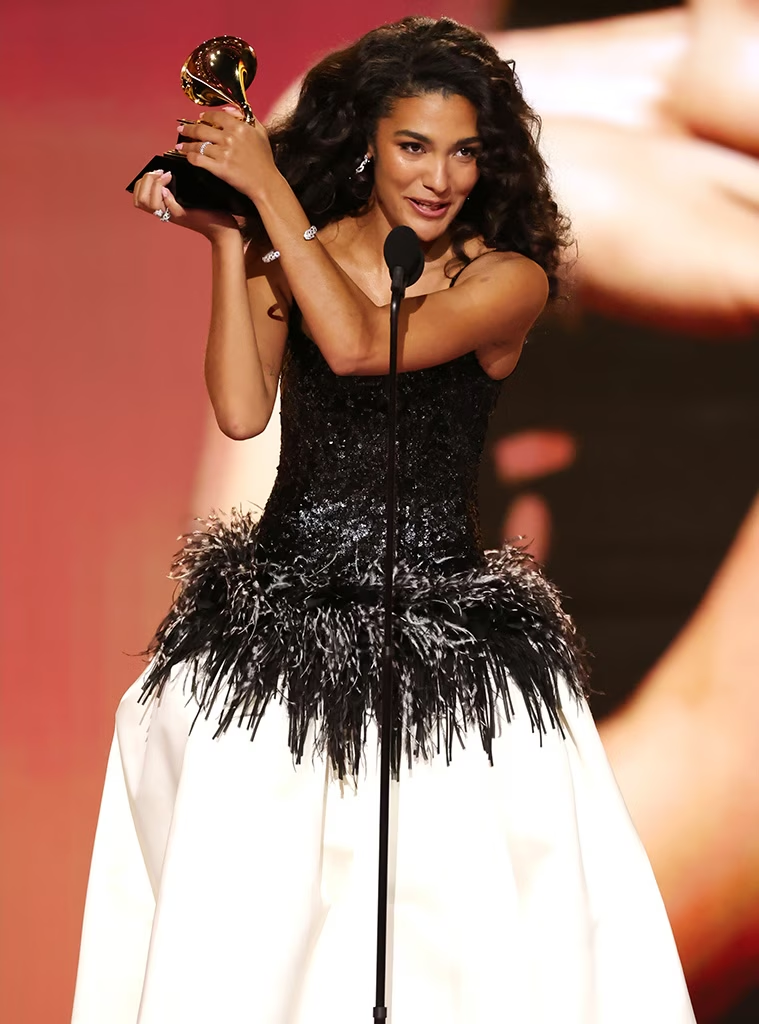
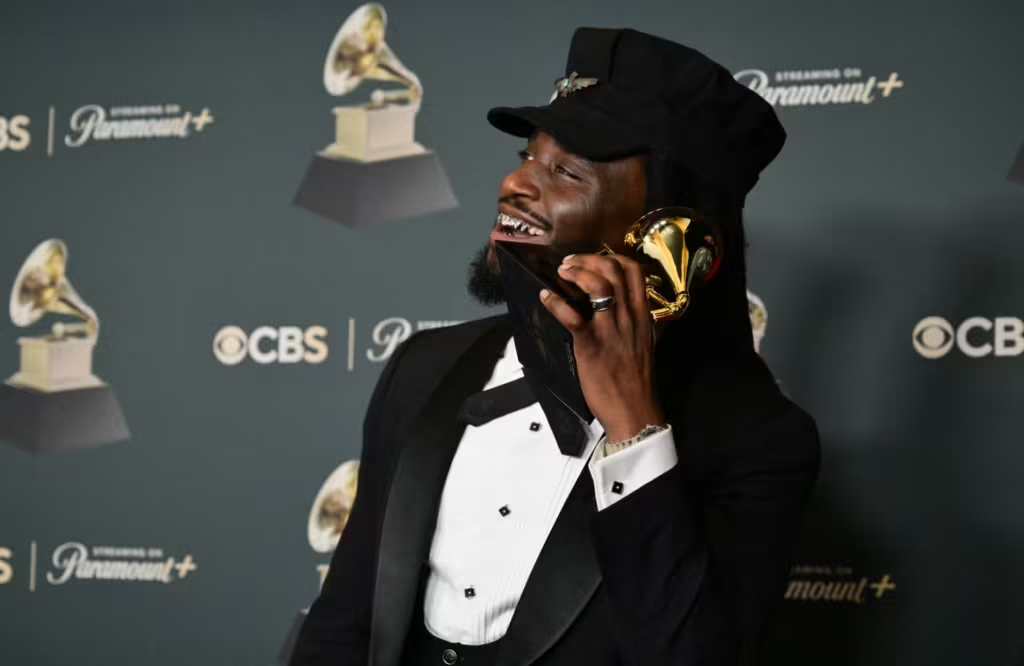
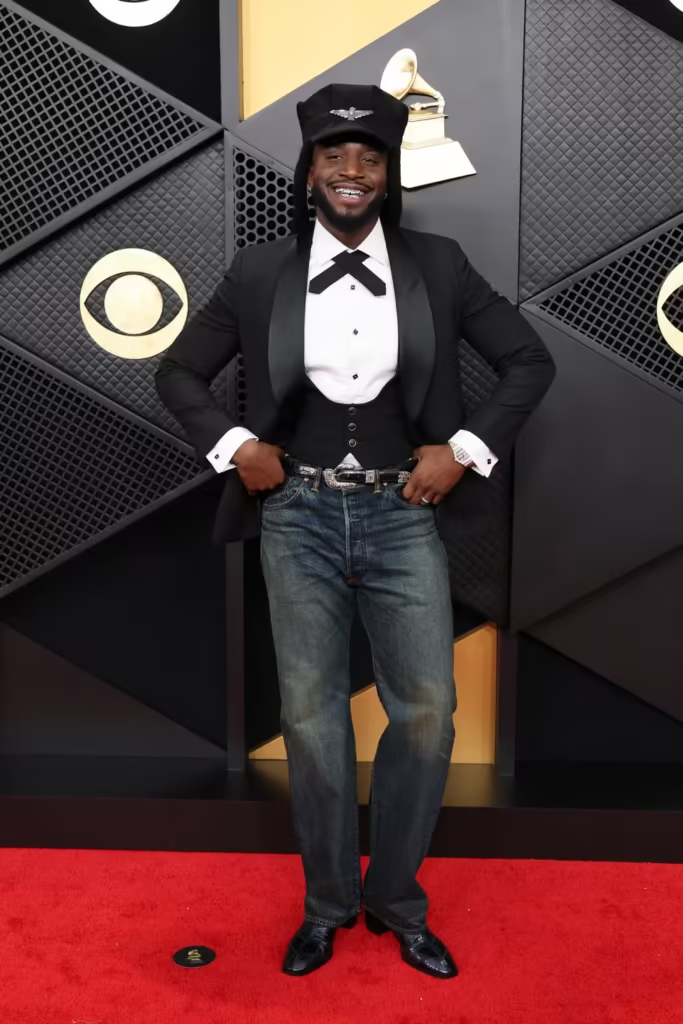
Style as Speech
If the red carpet set the stage, acceptance speeches delivered the message. Artists spoke about systemic exclusion, industry exploitation, global conflict, and cultural erasure. What made these moments striking was how naturally the visuals and words aligned. The fashion choices were not afterthoughts but actual parts of the storytelling.
Even humour and subtle touches carried meaning. Choices like pins, accessories, and silhouettes reinforced tales about protest, presence, and cultural pride. This year, the Grammys showed that fashion is not separate from activism; sometimes it’s the most accessible way to start a conversation.
Read more Art and Culture articles from KLATMAG
Written by Maria Jonah
Edited by Angel Joanne Okonkwo