There is something about the beginning of award season that always feels electric to me. As 2026 begins, the awards have officially commenced, and once again we enter that familiar period where entertainment, fashion, and pop culture blur into one continuous conversation. It is a season that goes beyond trophies and acceptance speeches. It is about image, storytelling, memory, and how we choose to present ourselves to the world.
Award season has become the moment when the creative industries pause to celebrate their own the films we loved, the music we replayed endlessly, the performances that stayed with us long after the credits rolled. From the Grammys to the Emmys, and eventually the Met Gala, these events now operate as cultural landmarks. Over the last forty years, they have evolved into pop-culture reference points, shaping how we remember an era and, just as importantly, how we dress within it.
When the Red Carpet Became the Main Event
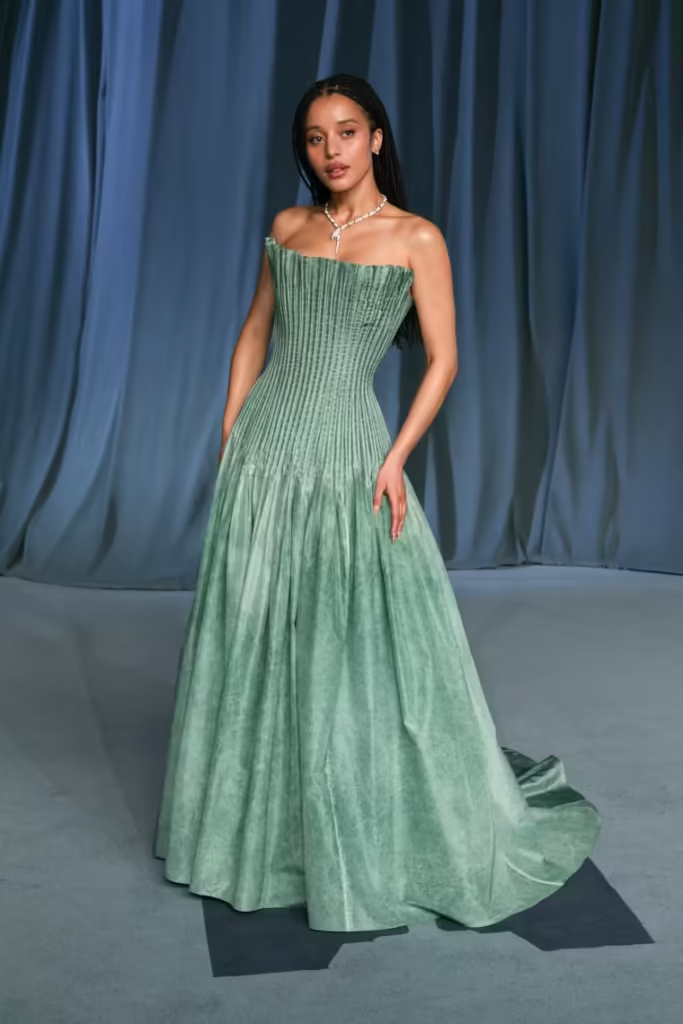
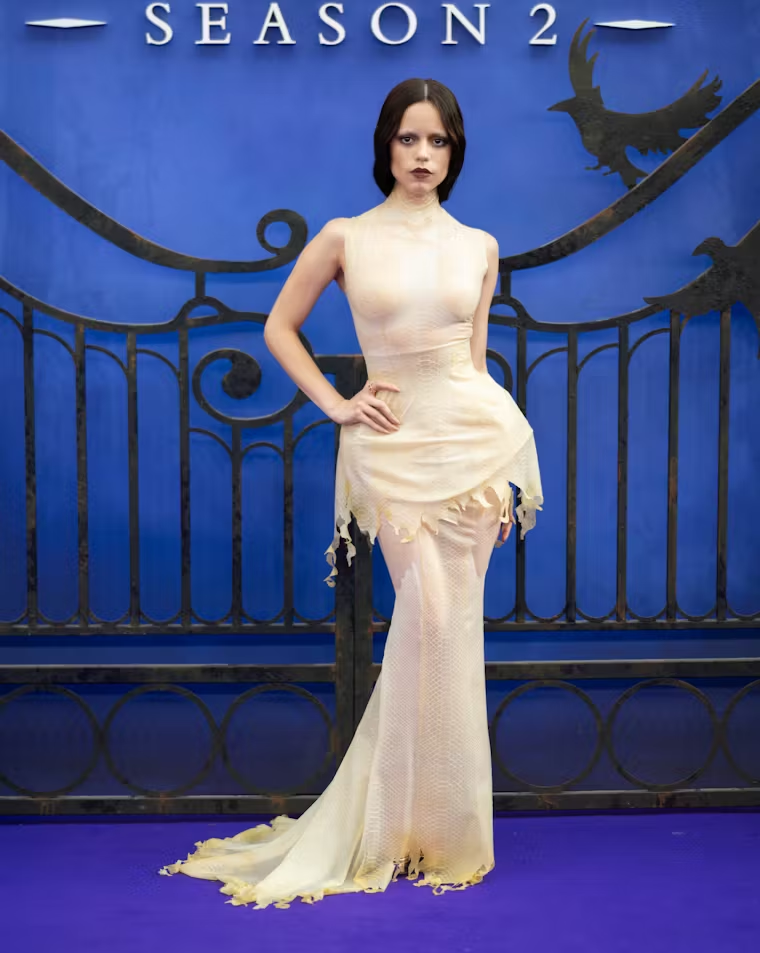
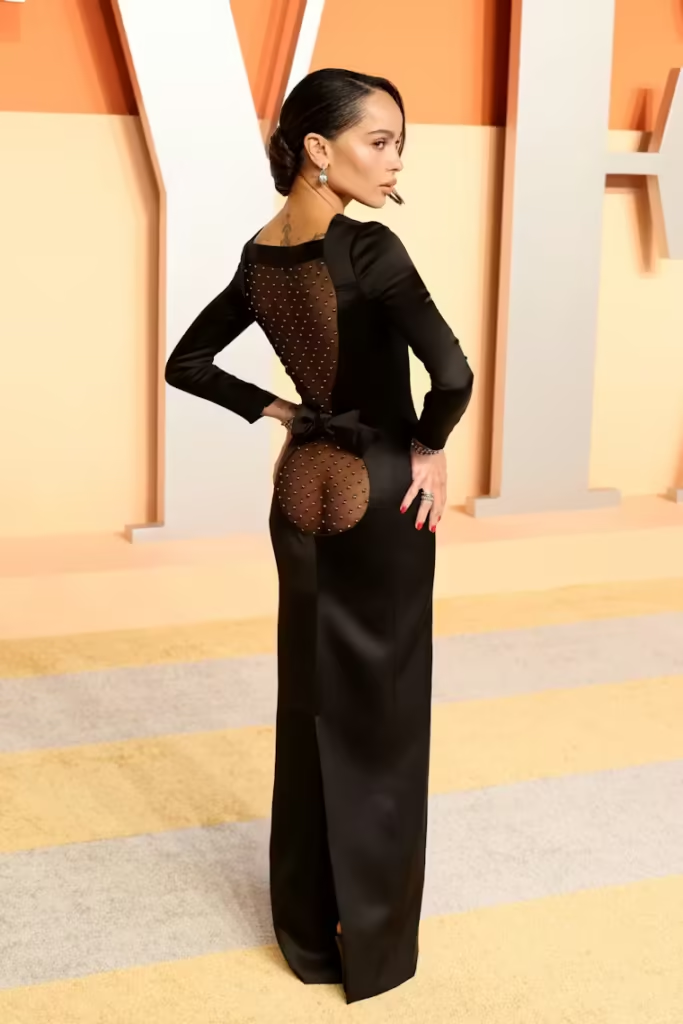
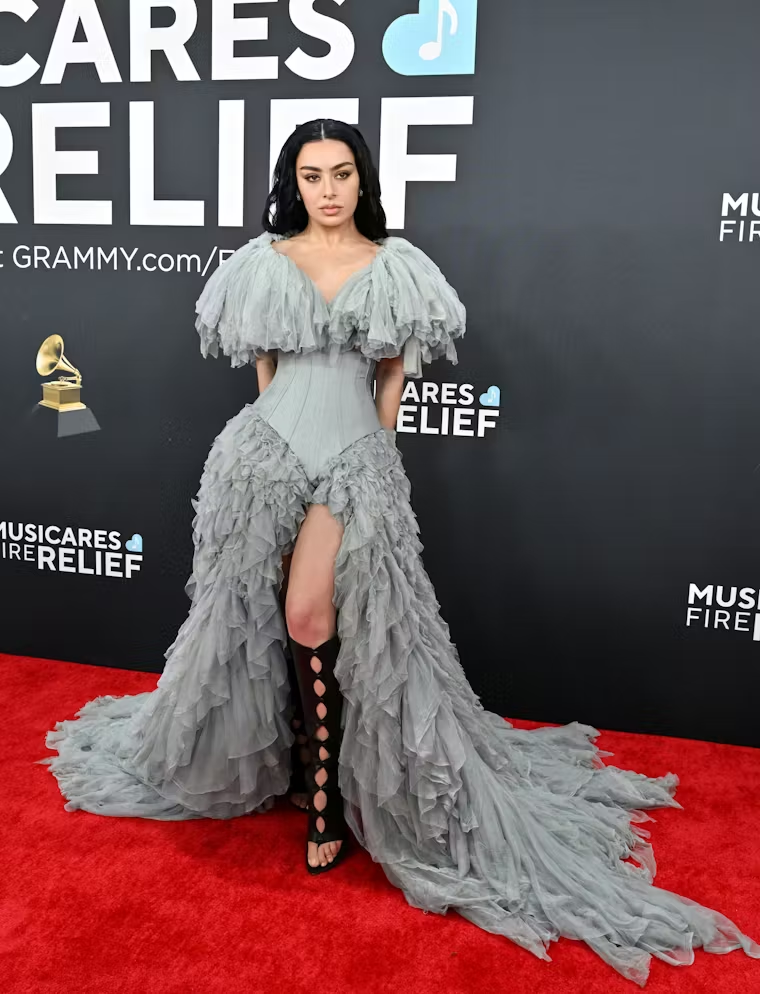
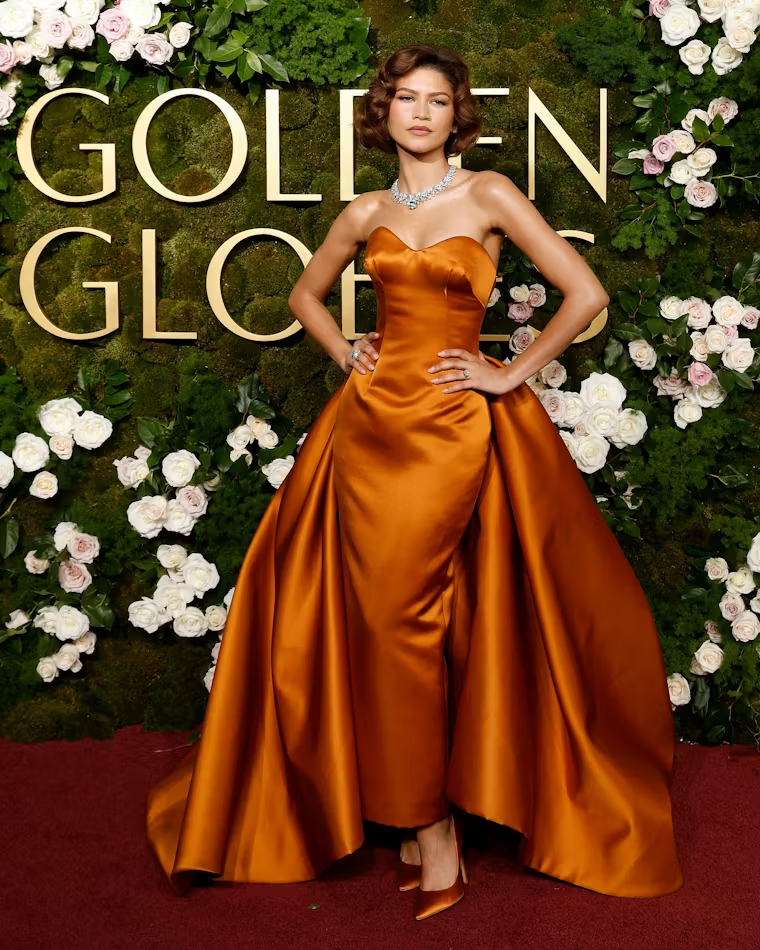
At some point, award shows stopped being just about who won. The red carpet became its own event, sometimes commanding more attention than the ceremony itself. Millions of people across the world tune in not only to see who takes home an award, but to see who wore what, who took risks, and who understood the moment.
What we often forget is how much work goes into those few seconds of walking, posing, and smiling. Months of fittings, creative discussions, and strategic decisions all come together in one look. Fashion during award season is never random. It is branding, storytelling, and cultural awareness wrapped in fabric.
For me, this is what makes award-season fashion so fascinating. It is where art meets intention. It is where designers, stylists, and celebrities collaborate to create moments that live far beyond the night itself.



The Red Carpet as a Fashion Testing Ground
Millions of people are watching, screenshotting, reposting, debating. Within minutes, we know whether something resonates or not. In that sense, the red carpet is not separate from everyday fashion; it is deeply connected to it. What we see during award season often shapes what we wear months later, whether consciously or not.
In today’s digital world, this process moves faster than ever. Social media has shortened the distance between debut and influence. A dress no longer needs time to grow iconic. it can become one overnight.
When Fashion Moves More Than Culture
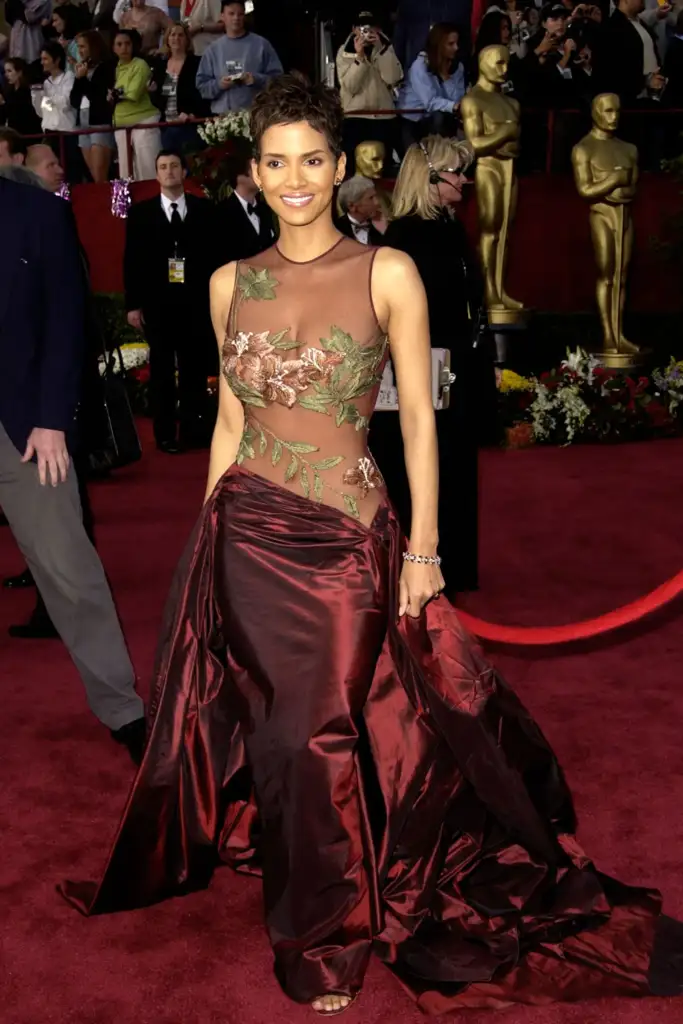
One of the clearest examples of this influence is Halle Berry’s Elie Saab gown at the 2002 Academy Awards. This is a moment I always return to when thinking about fashion and history intersecting.
When Halle Berry walked onto that stage and made history as the first woman of color to win Best Actress, the moment carried weight far beyond Hollywood. The dress she wore a sheer embroidered bodice paired with a deep burgundy silk skirt became inseparable from that achievement.
At the time, Elie Saab was known mainly within elite circles, dressing Queen Rania of Jordan and a select clientele. That single red-carpet appearance changed everything. Suddenly, his designs were everywhere. His name became synonymous with red-carpet elegance, and his fashion house stepped fully into global luxury status.
Years later in 2023, the gown was included in the Academy Museum of Motion Pictures’ “Unforgettable Dresses” exhibition, preserving it as both fashion and film history. Sometimes, fashion does more than influence trends; it influences systems. Another great example of this is Jennifer Lopez’s green Versace dress at the 2000 Grammy Awards.
Designed by Donatella Versace, the dress created an internet moment before “internet moments” were even a thing. People across the world wanted to see the dress. Not read about it. Not imagine it. They wanted the image.
That demand revealed a gap in how information was being accessed online. The search volume around that single dress contributed to Google realizing the need for an image search function. In 2001, Google Images was launched, changing how fashion, media, and pop culture are consumed forever.
It still amazes me that a red-carpet dress played a role in shaping how we interact with the internet. That is the kind of power award-season fashion holds.

Viral Moments and the Beauty of Imperfection
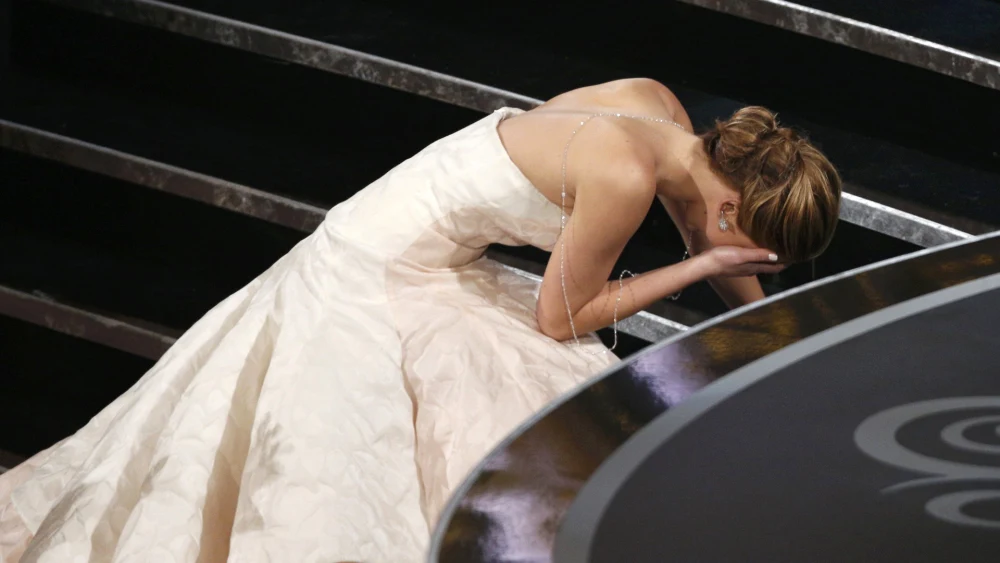
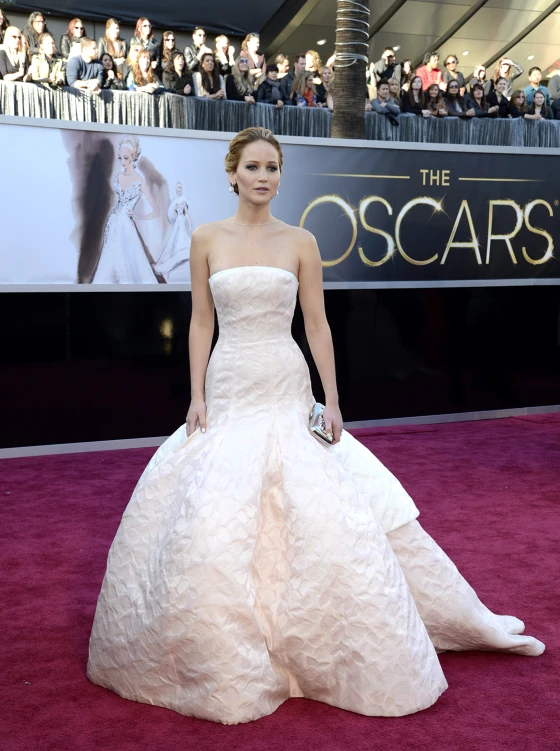
Not every iconic moment is about perfection. Sometimes, it is the unplanned moments that stay with us the longest. Jennifer Lawrence’s fall at the 2013 Academy Awards is a perfect example.
Wearing a Dior Haute Couture gown designed by Raf Simons, Lawrence tripped on the stairs while going up to accept her Oscar. The dress, a voluminous blush-pink silk ball gown became part of the story rather than a distraction from it.
What made the moment special was her reaction. Her humor and self-awareness turned what could have been an awkward incident into something relatable and human. “If you’re going to fall, fall in Dior” became a cultural quote, and the moment strengthened her relationship with the brand.
It reminded us that fashion does not have to feel distant or untouchable. Sometimes, it becomes powerful when it feels human.
The Red Carpet Reflects Who We Are
Award-season fashion is also a reflection of where we are as a society. Before the season begins, the industry often settles into certain trend lanes of quiet luxury, maximalism, nostalgia, or excess. The red carpet reflects these movements while also shaping how they evolve.
In recent years, there has been a clear shift toward archival fashion and sustainability. We are living in a time where people are questioning overconsumption and rediscovering the value of what already exists. This shift shows up on the red carpet through vintage pieces, archive pulls, and re-imagined classics.
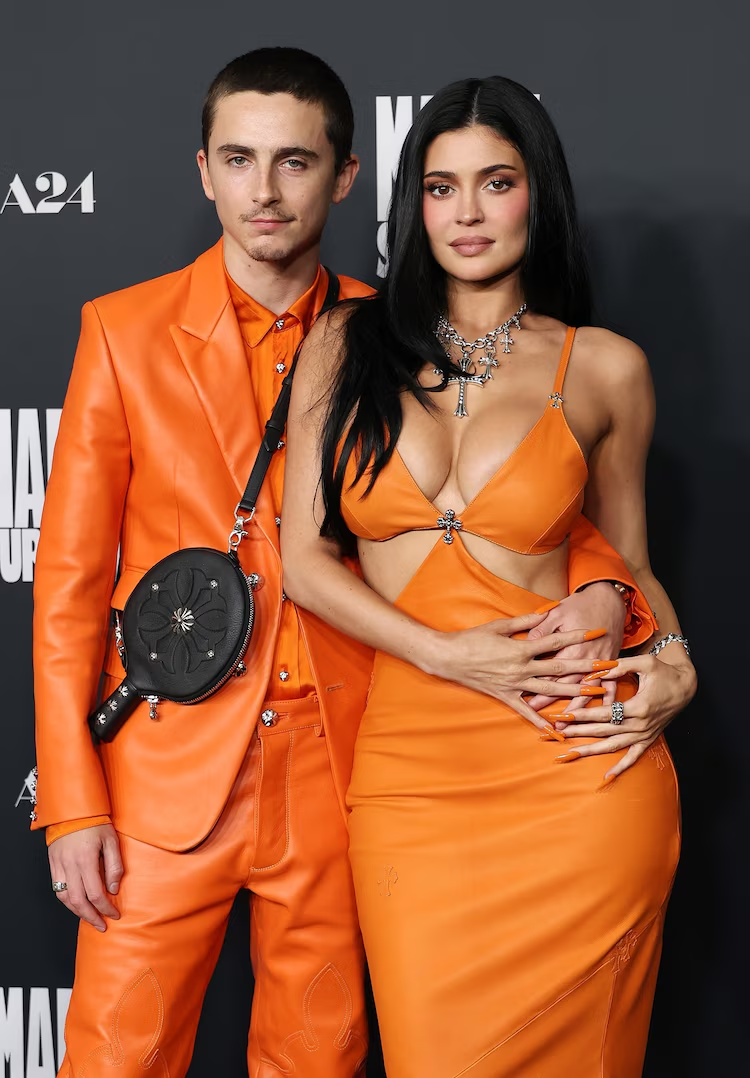
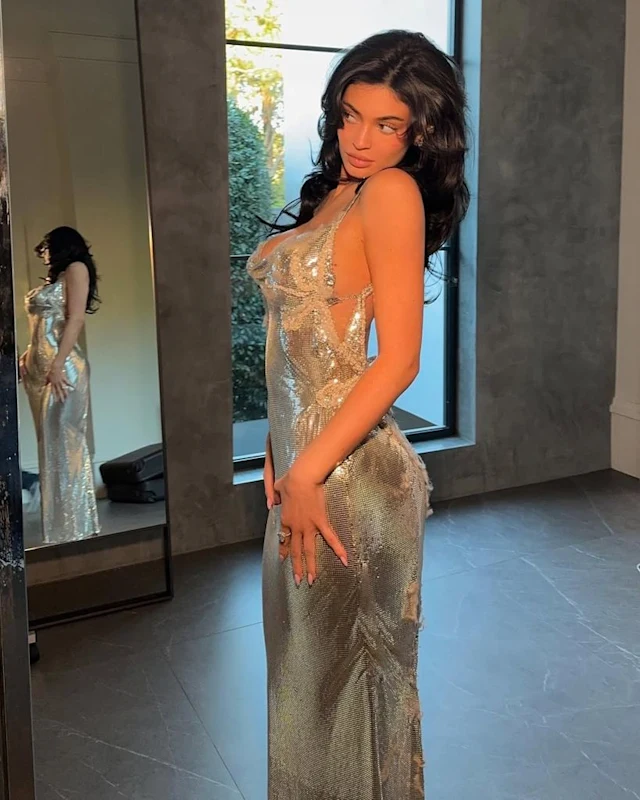
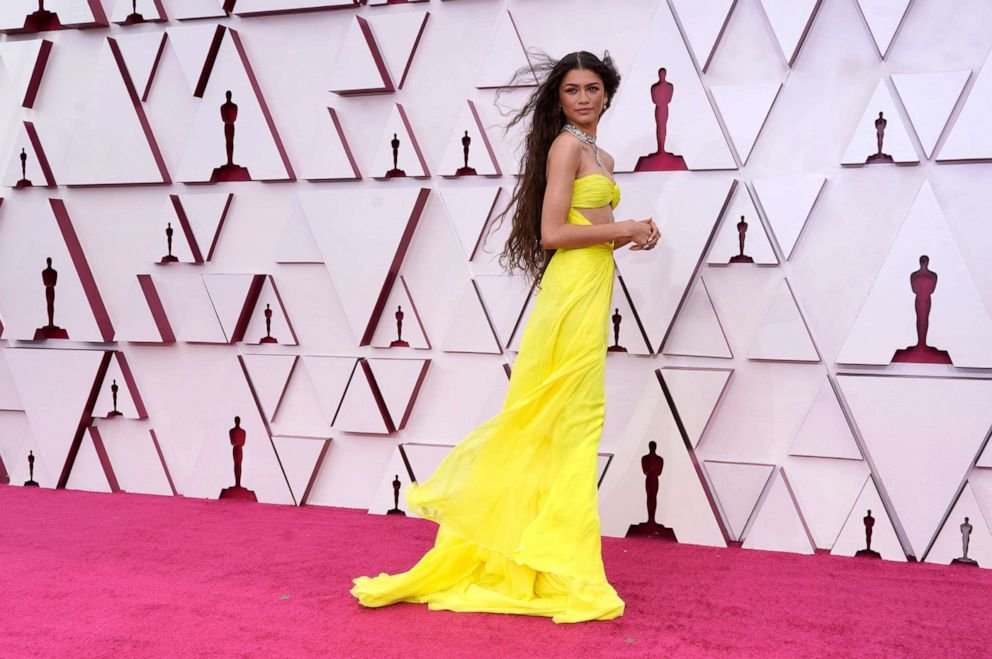
Zendaya’s neon yellow chiffon gown inspired by Cher, or Kylie Jenner wearing a 1999 Versace dress previously worn by Elizabeth Hurley, are not just fashion choices. They are cultural statements. They show an appreciation for history, craftsmanship, and continuity.
So, Who Is Influencing Who?
Does fashion shape award season, or does award season shape fashion? Honestly, I think they influence each other equally. They exist in a loop, constantly feeding into one another.
Between January and March, this relationship is at its strongest. Trends are introduced, tested, amplified, and then released into the wider world. By the time award season ends, the tone for the year has already been set.
Whether it is method dressing, intentional styling, storytelling through fashion, or simply having fun with it, award-season fashion tells us what matters in that moment.

Why Award Season Still Matters
At its core, award season has evolved into the world’s most influential fashion laboratory.
While celebrities may return borrowed couture, the influence of those moments stays with us. It shows up in how we shop, how we style ourselves, and how we think about fashion as part of culture, not separate from it.
We may not all have Oscars on our shelves, but through award-season fashion, we get to participate in these moments. We get to borrow inspiration, reinterpret it, and make it our own.
As we step fully into the 2026 award season, one thing is clear to me: the conversation has already started. Fashion, memory, pop culture, and creativity are once again in motion.
And honestly? This is my favorite time of the year.
So, let the fun begin.
Read more Fashion articles from KLATMAG
Written by Maria Jonah