The Nigerian fashion industry is one built on grit, creativity, and the hustle of millions of artisans and entrepreneurs. Operating in mostly informal structures, it has grown into a $4.7 billion powerhouse, proving time and again that Nigerian creativity cannot be underestimated.
But here’s the question that hung over the 7th edition of the Made in Nigeria Shoe Expo – Leather & Textile Event 2025, held 27–28 November in Abuja: can our systems keep up with this wave of talent and ambition?
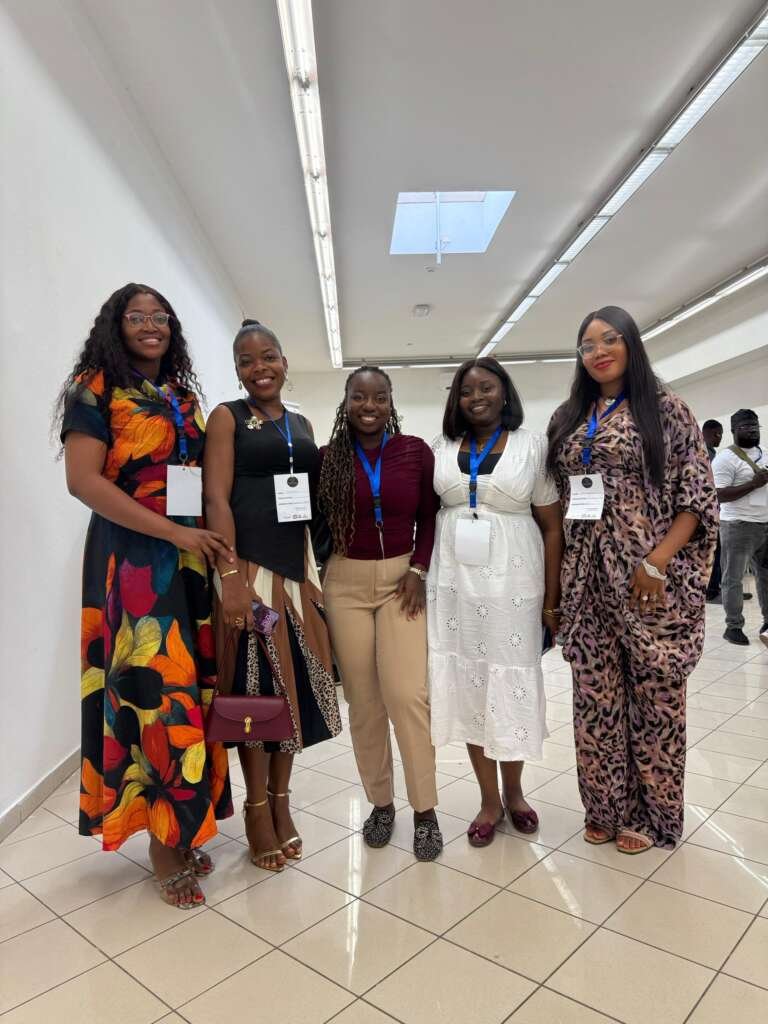
Over two vibrant days, designers, policymakers, brand owners, media, and fashion lovers came together to tackle the pressing issues shaping the industry’s future—and to celebrate what Nigerian craftsmanship can do.
Panel Conversations That Didn’t Hold Back
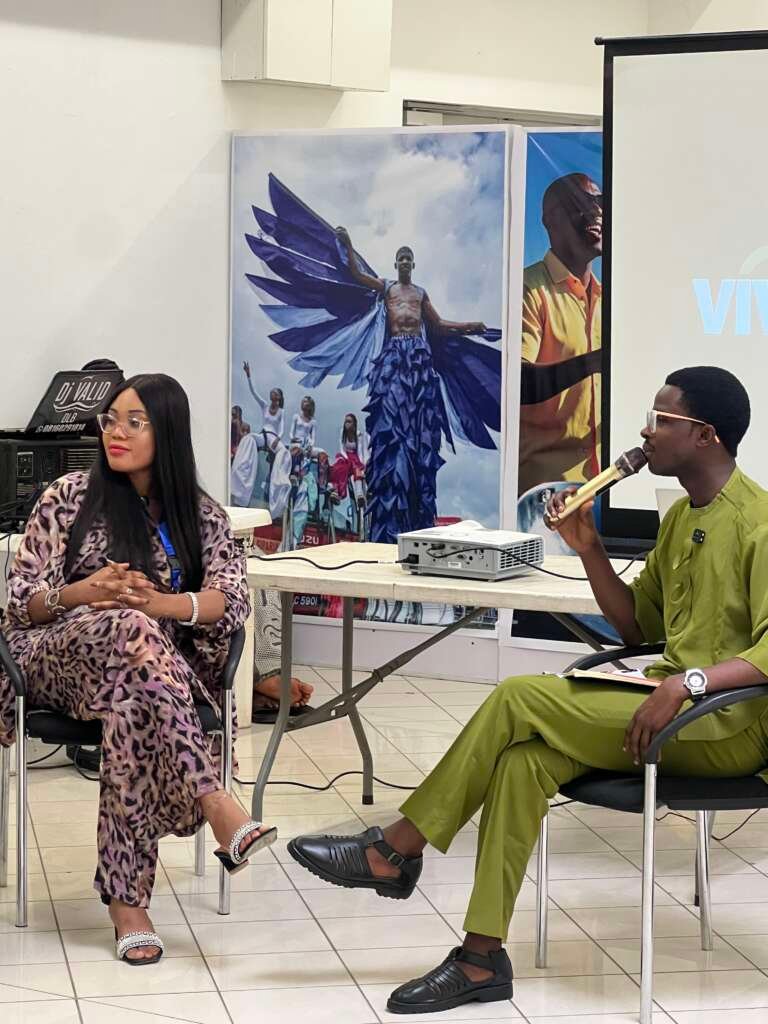
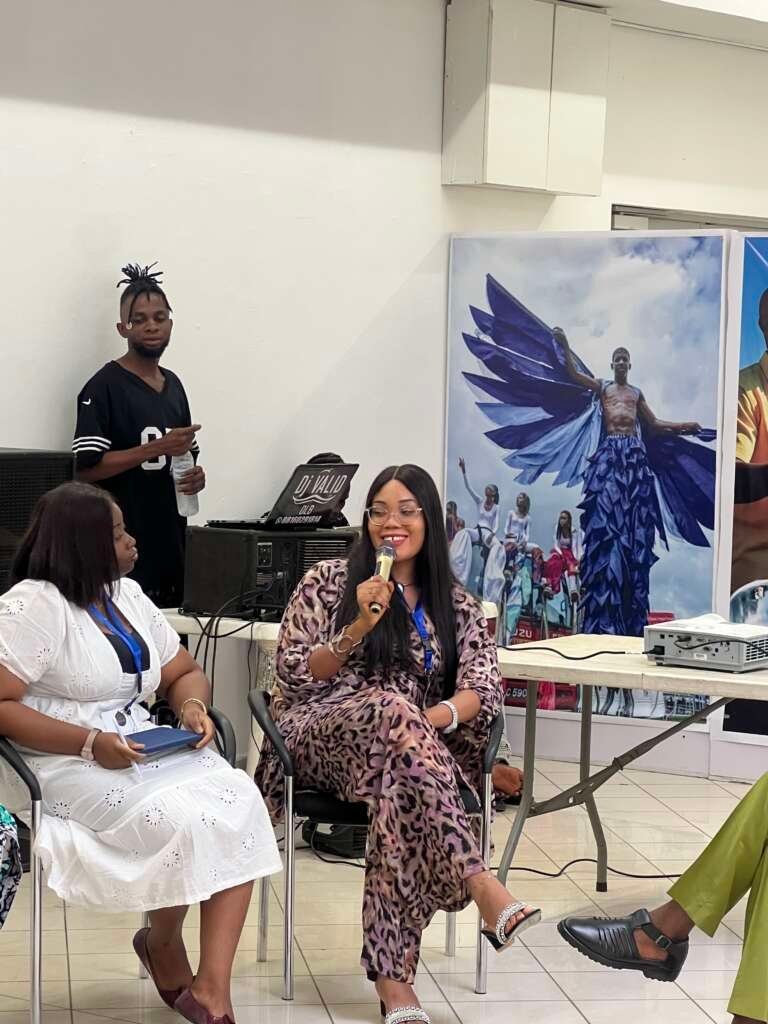
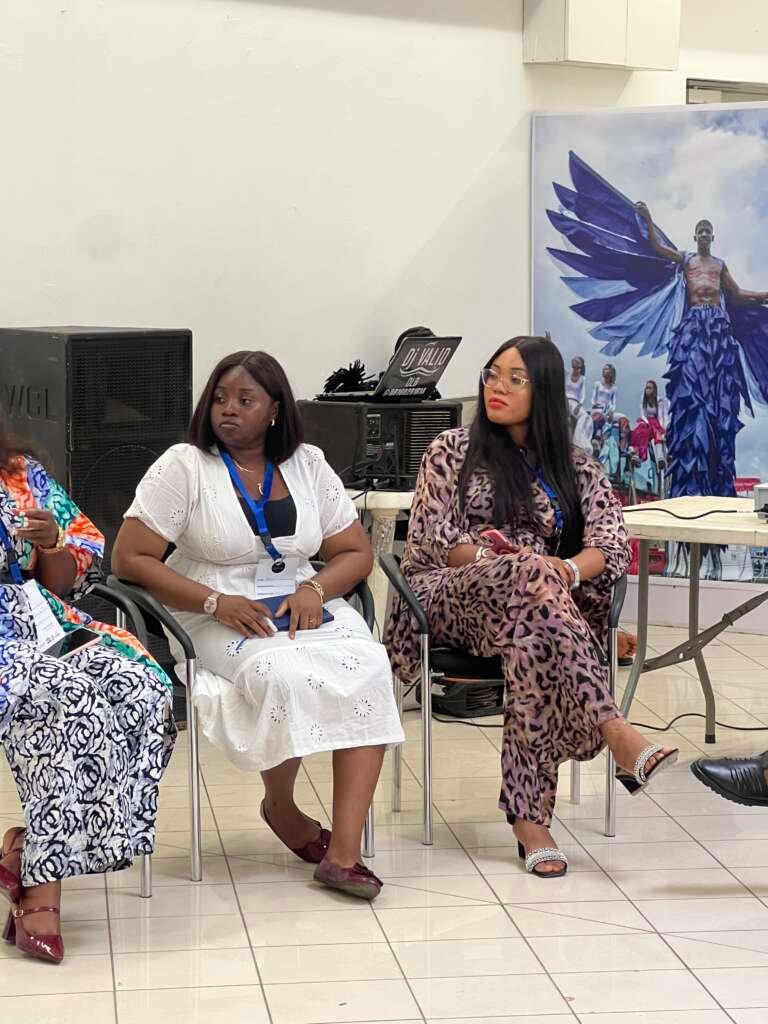
The discussions were raw, honest, and necessary. One panel dug into the public perception of Nigerian-made products and how the media shapes the narrative. The question on everyone’s mind:
Why does stigma still cling to “made-in-Nigeria” leather and textiles?
Some speakers shared painful truths, beautiful, meticulously crafted pieces are sometimes hidden from the public because buyers assume “foreign-made” is superior. Others argued that loyalty isn’t automatic; quality, consistency, and reliability must earn it.
The conversation between Chinonoso Chekas of ARIYA TV and Angel Joanne Okonkwo from KLAT, naturally moved to access to raw materials and the role of NILEST. Attendees stressed the need for better understanding of leather quality, treatment, and scientific grading, not just for local use but to make Nigerian leather globally competitive.
Audience questions brought up transparency in exports. Who decides what leaves the country, at which stage, and how much value stays at home? The solution seemed to be, A Nigeria-first approach: satisfy local needs, then export, and move from raw hides to finished leather products to multiply value and create more jobs.
Legal and structural realities weren’t ignored either, since Fashion isn’t just creativity—it’s contracts, IP, consumer protection, labour laws, and compliance. Without strong financial systems, manufacturing support, and legal backing, the industry runs on passion more than power. A telling moment was the discussion around the phrase “Aba-made”, often used negatively, yet Aba remains one of Nigeria’s key manufacturing hubs—a contradiction showing just how much cultural perception still matters.

Textiles: From Glory to Rebirth
History was in the room too. Between the 1970s and 1990s, Nigeria had one of Africa’s largest textile industries, with over 180 factories. Imports, power instability, and inconsistent policies led to decline—but the sector never truly disappeared. Informal weaving, dyeing, and small-scale production keep the heartbeat alive.
The takeaway? Fashion and textiles are inseparable. One cannot thrive without the other.
Exhibitors: Craft Meets Passion
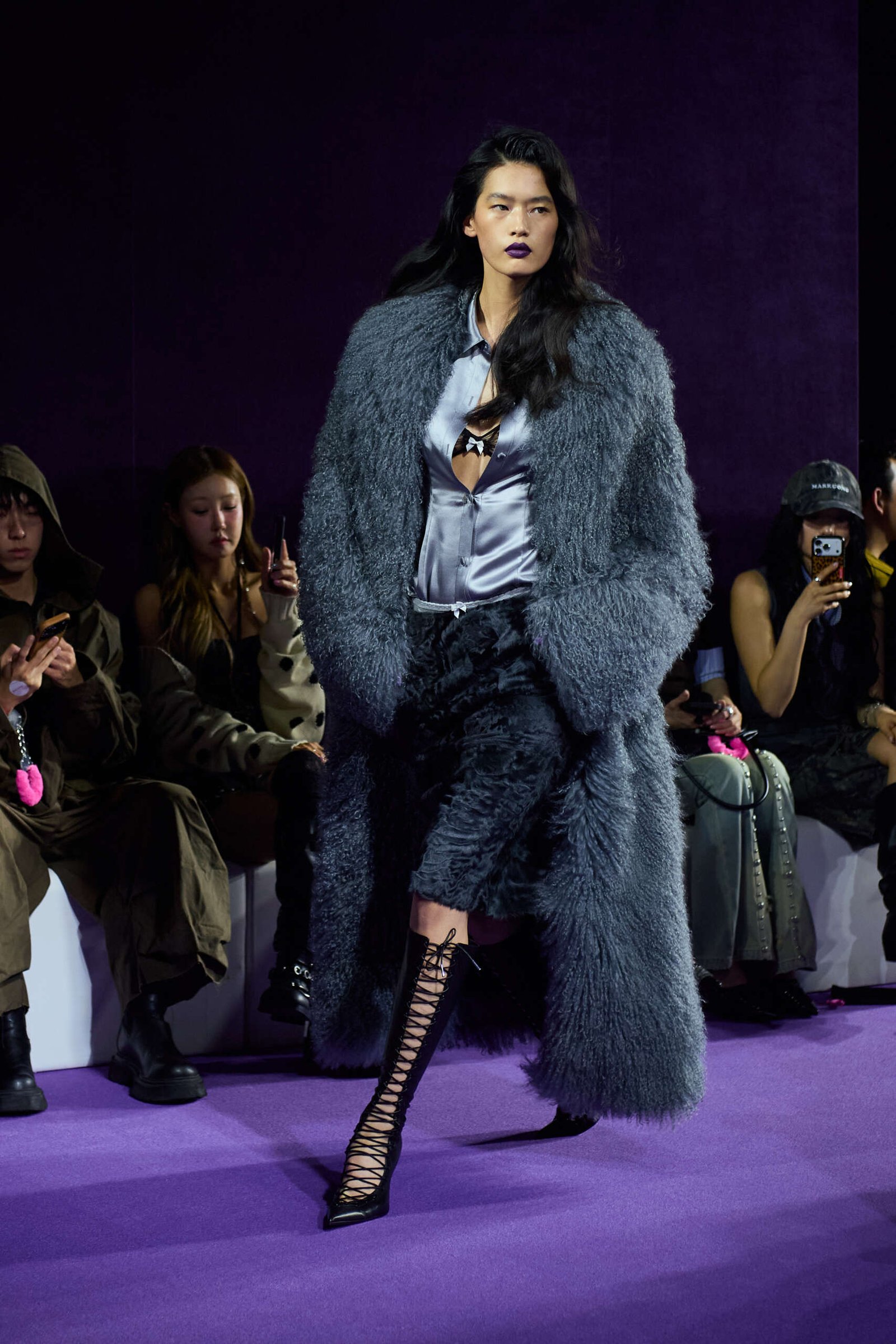
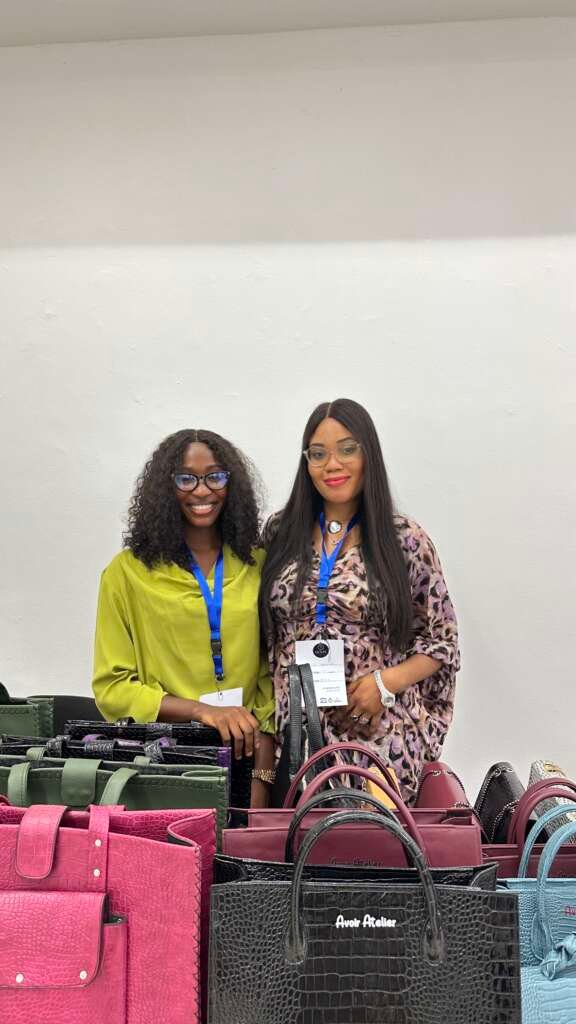
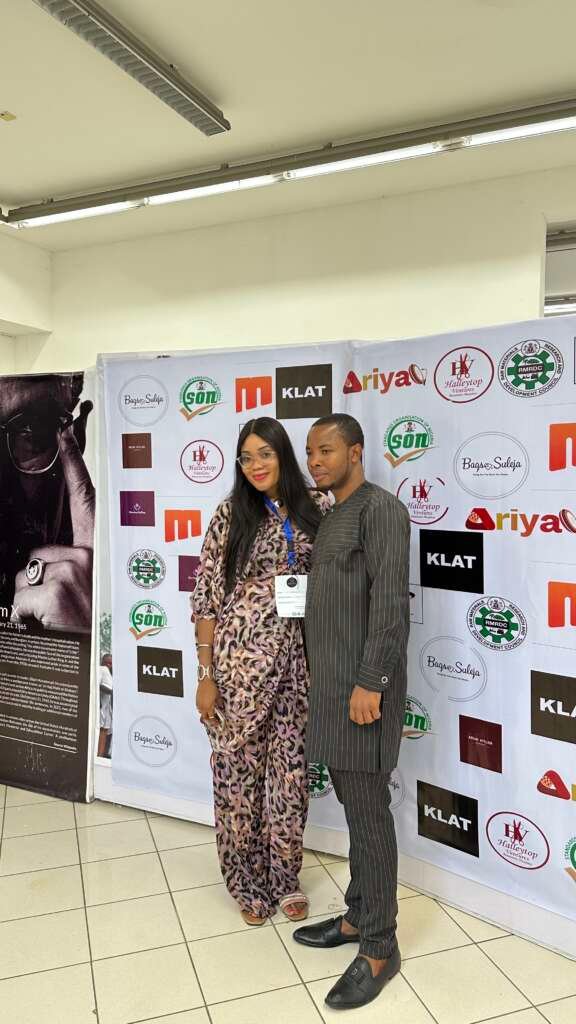
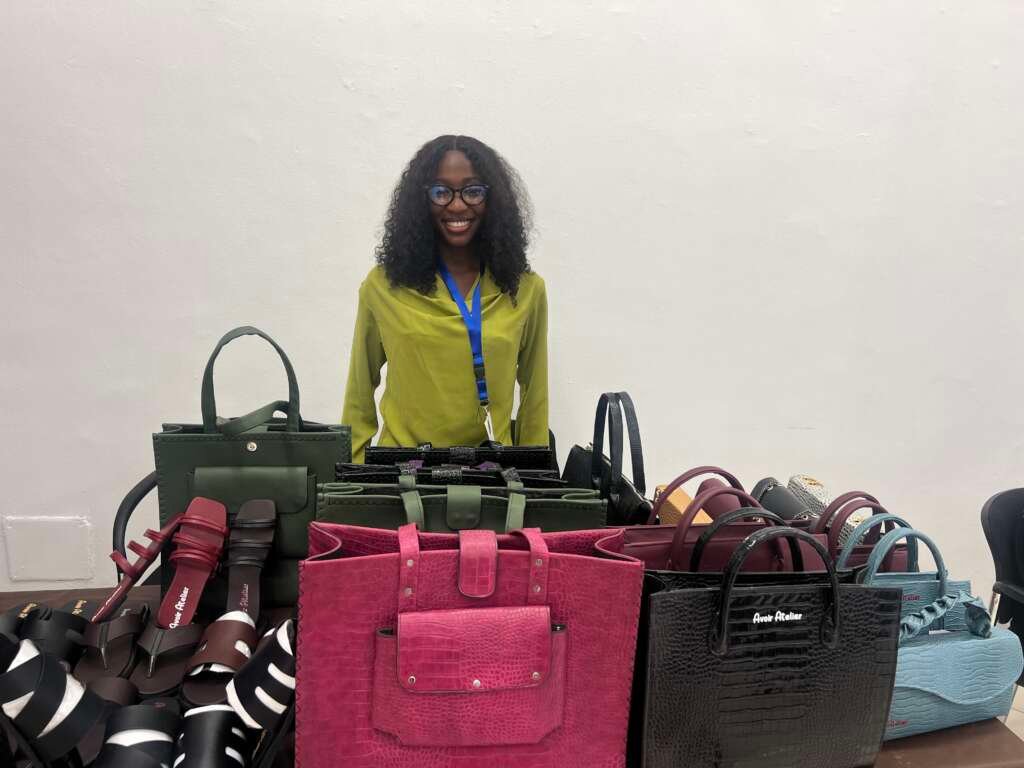
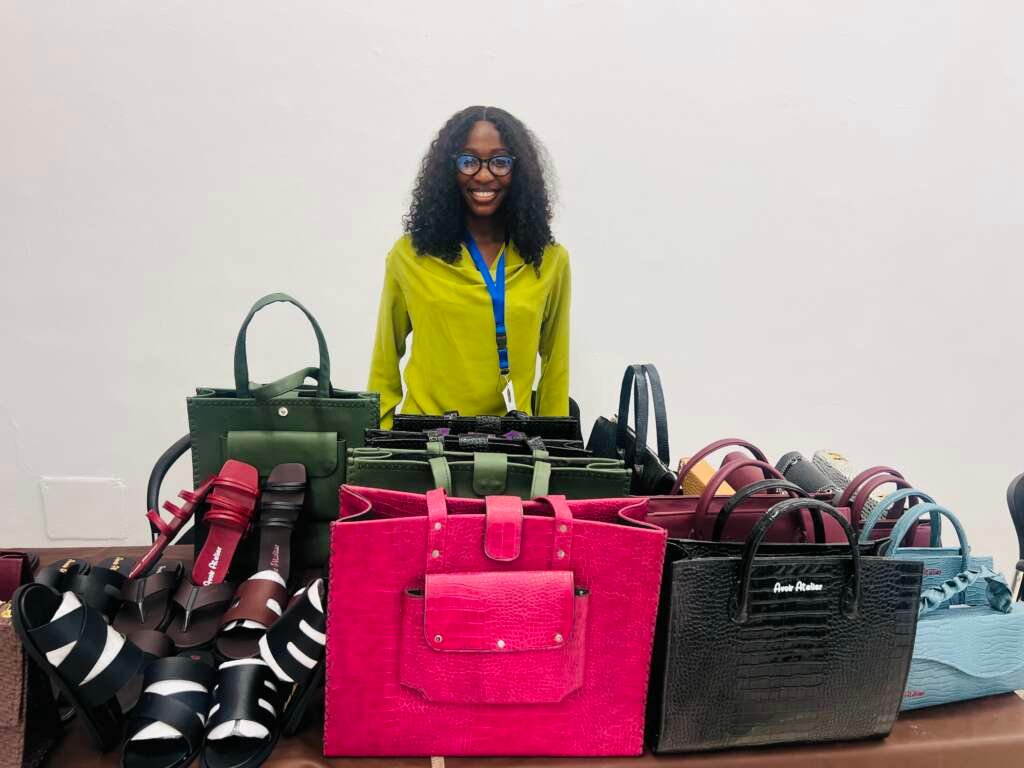
Walking through the expo, it was impossible not to feel the dedication behind every piece, several designers showcased their crafts and fashion pieces on and off the runway, and by sunset, the focus shifted from debate to celebration. Lights glimmered, cameras clicked, and the red carpet was alive with colour and personality from designers such as:
- Bags of Suleja – Structured, confident leather bags rooted in local creativity. “It’s labour, but a labour of love,” said the founder.
- Ahbuloran – Merging Aso-Oke tradition with bespoke craftsmanship. The founder called their journey “unpredictable, full of lessons, and resilient.”
- A-Prime Footwear – Sleek, hand-crafted shoes showing patience and precision. The founder noted that better machinery would take their production to the next level.
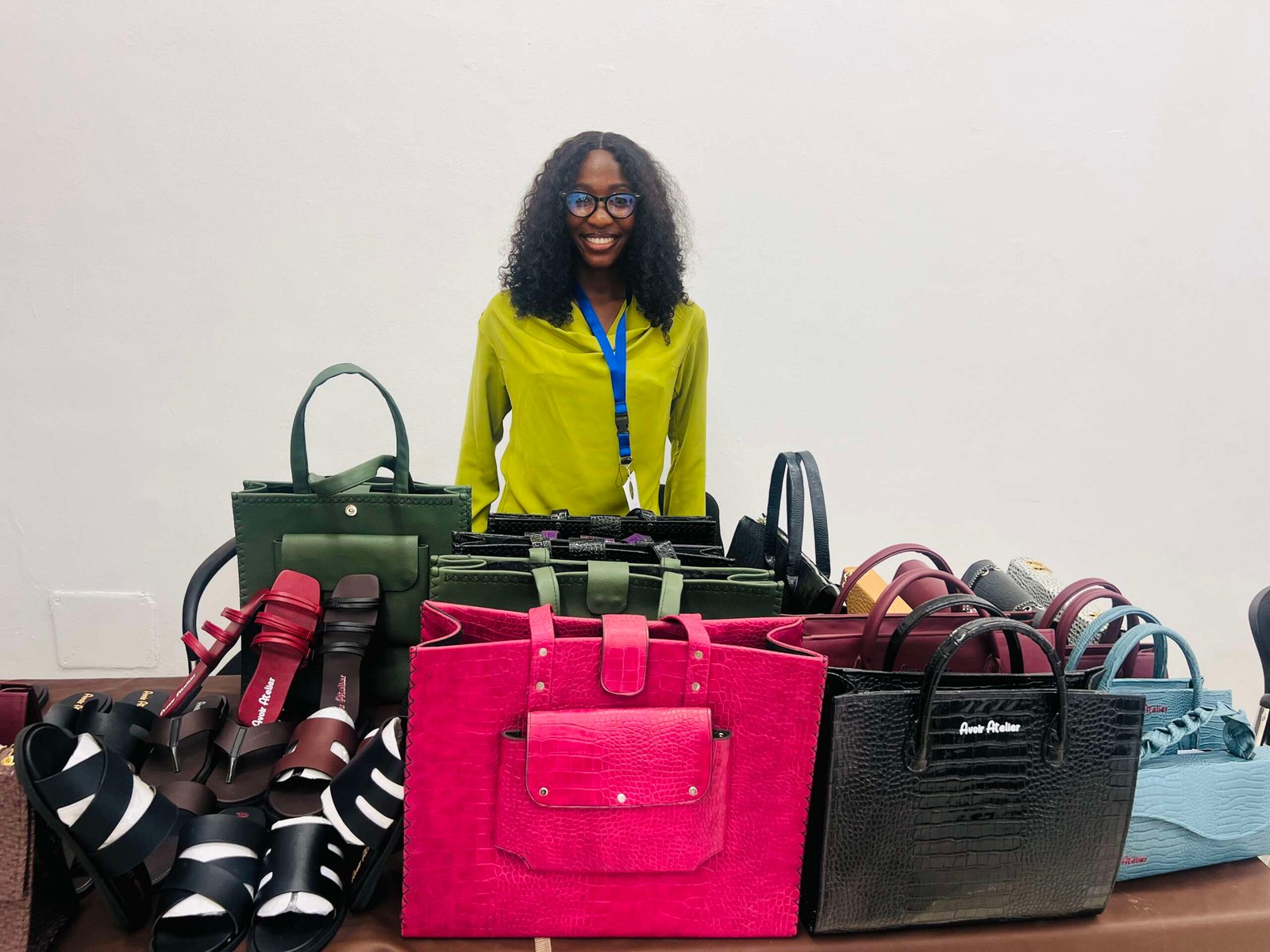
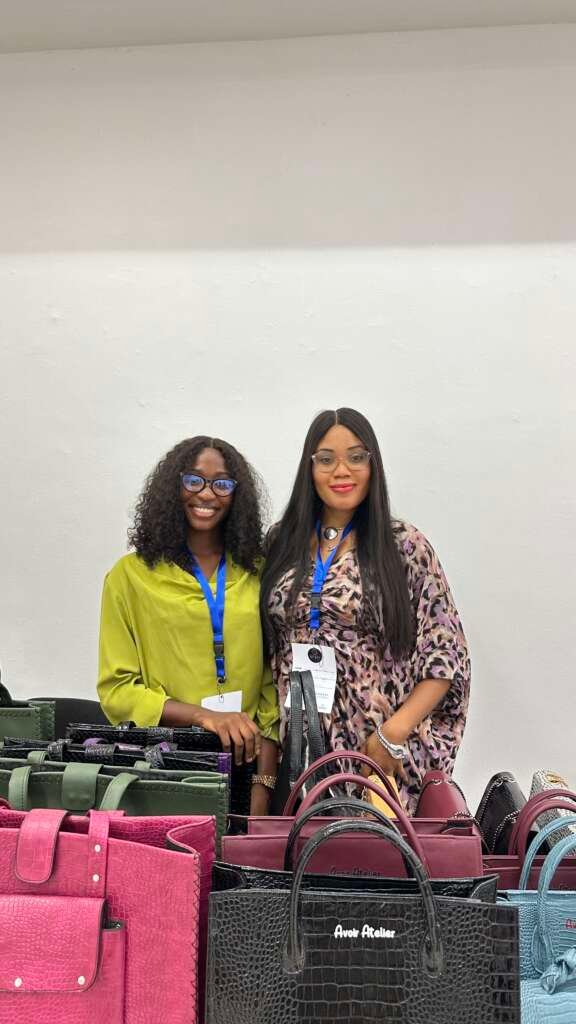
- Avoir Atelier – Subtle, refined interpretations of Nigerian luxury. Minimalism meets elegance with international appeal.
- Halley Top Ventures – Adire pieces that are personal, modern, and wearable. “After making clothes for my children, I realized I needed to fully focus on this business,” shared the founder.
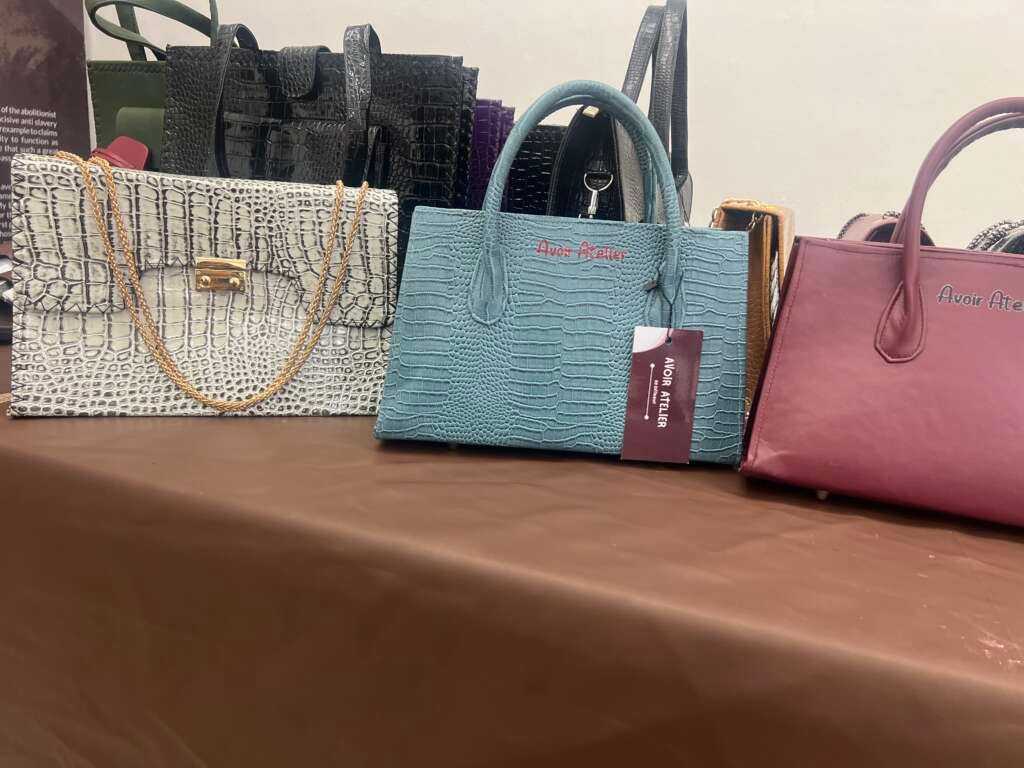
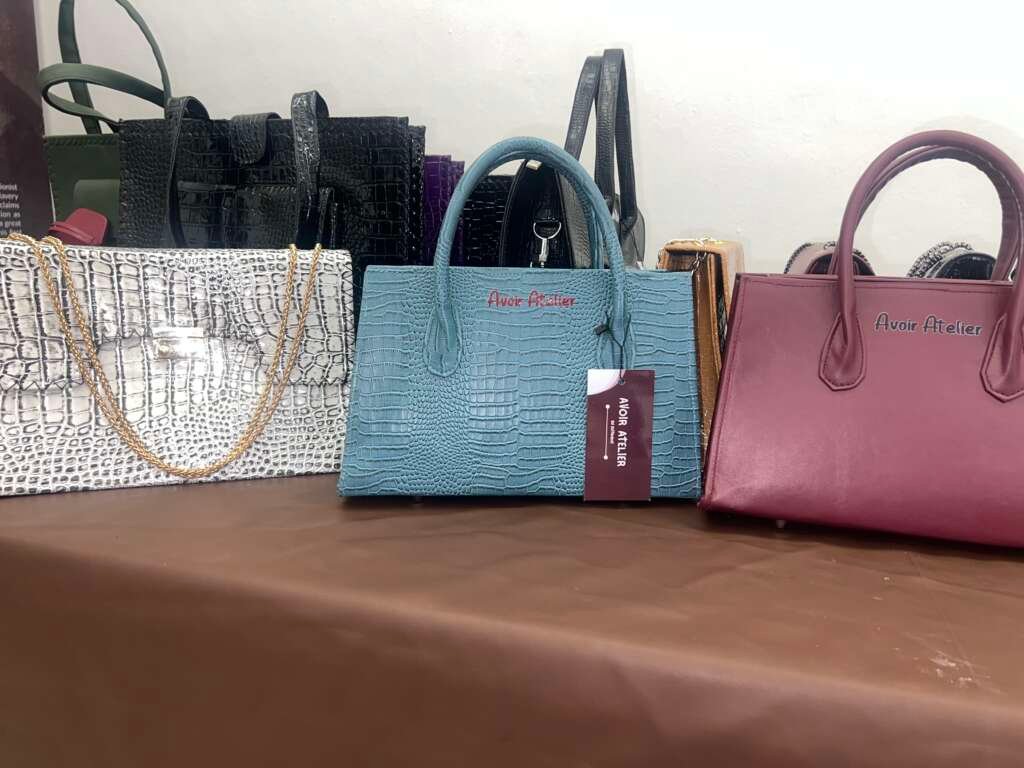
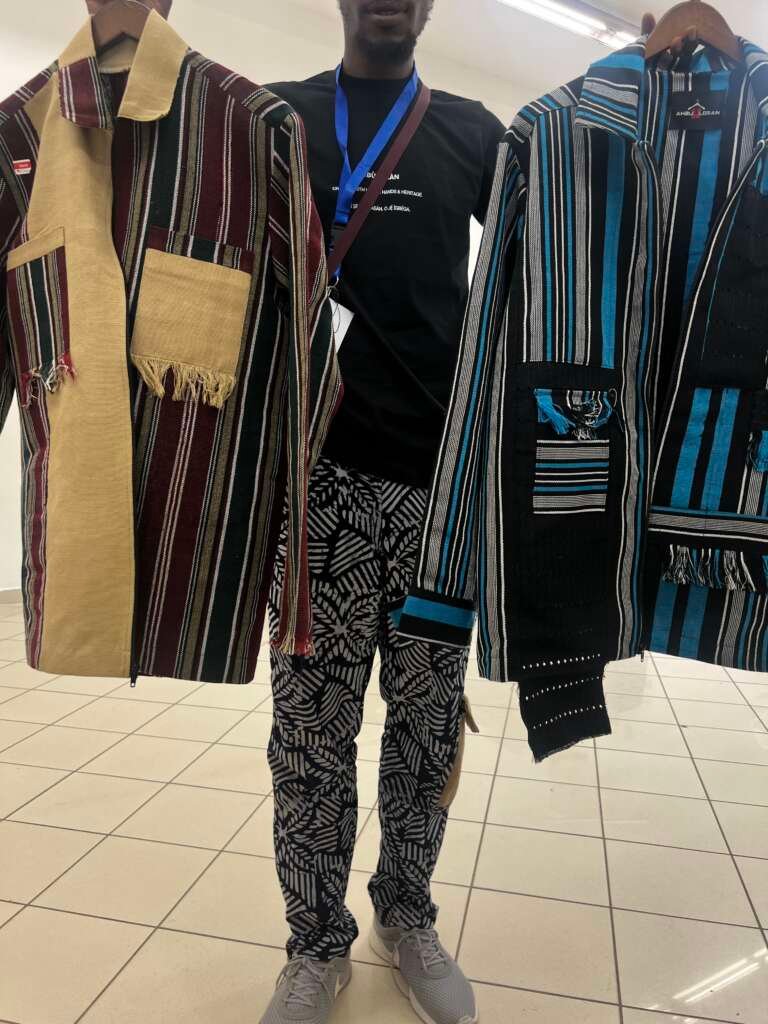
One thing was clear: Nigeria isn’t short on talent; it’s short on systems that let that talent flourish. Every panel, every exhibitor, every runway piece echoed the same truth: creativity and determination are abundant, but proper investment, policy support, and infrastructure are needed to truly unlock the industry’s potential.
Read more Fashion articles from KLATMAG
Written by Maria Jonah
Edited by Angel Joanne Okonkwo