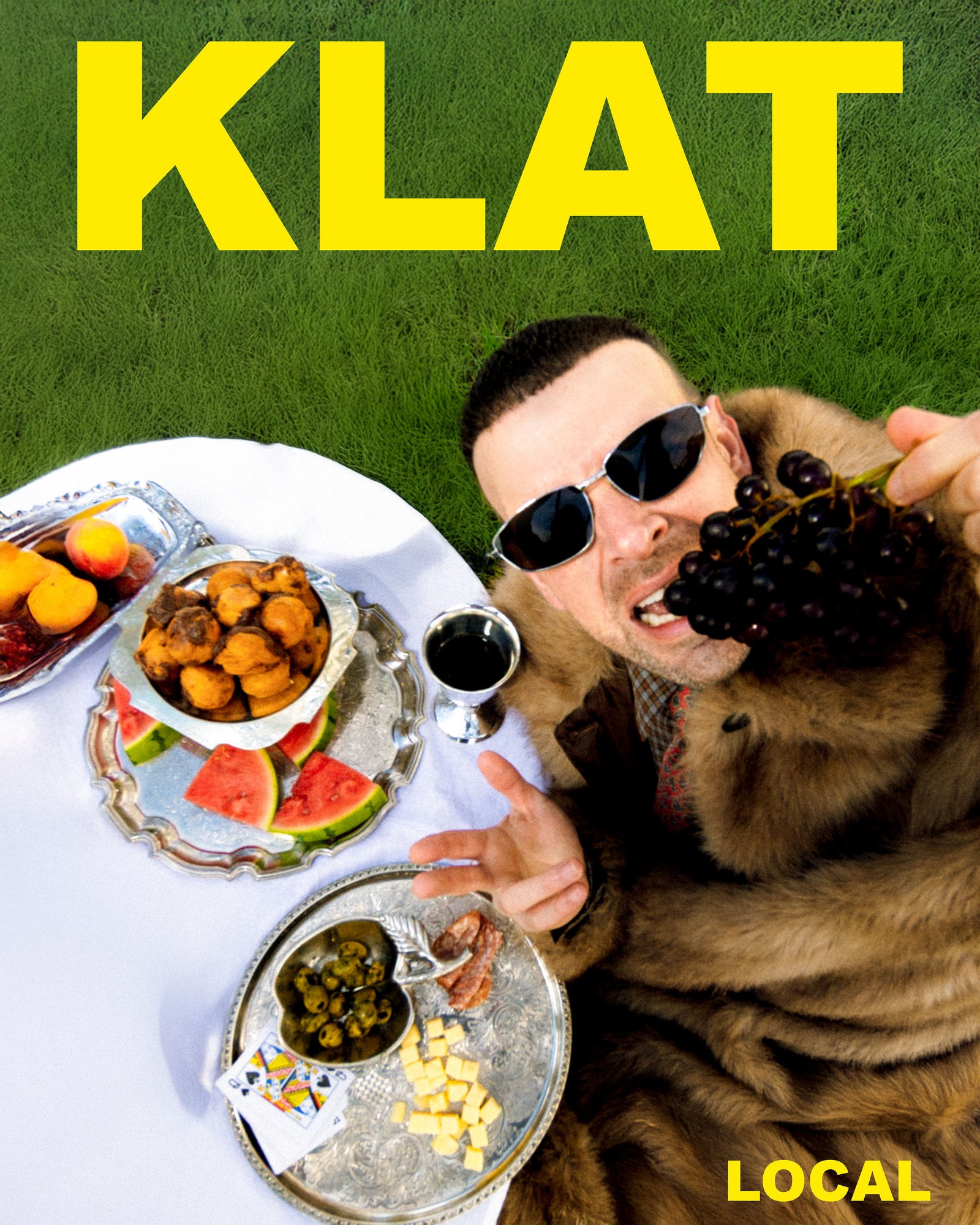
There’s a certain type of artist you don’t discover through marketing. You hear their name in passing. You clock a verse. Someone sends you a link at 2AM. And suddenly you realise they’ve been building something solid the whole time.
Local is one of those artists.
He doesn’t move like someone chasing a moment. He moves like someone who’s been preparing for one, and that is why KLAT got in conversation with him, to hear the story behind one of Wales’s biggest acts.
For years, Local was just a kid in Cardiff with a camcorder and too much imagination, recreating films with his friends because that’s what you do when you’re young, creative, and restless. “8 Mile turned into 9 Mile, Juice turned into Squash.” he quips. It wasn’t glamorous. It wasn’t strategic. It was just instinct.
When you ask him when things first started to feel real, when it stopped being just another grind and started shifting into something bigger, he doesn’t overthink it. “After Lord of the Mics,” he says. “That’s when people started to take me a bit more serious.” There’s no dramatic pause when he says it, but you can tell that moment mattered. It was the first time the wider scene leaned in properly. The first time the whispers turned into conversations.
Growing up in Cardiff shaped more than just his sound — it shaped his hunger.
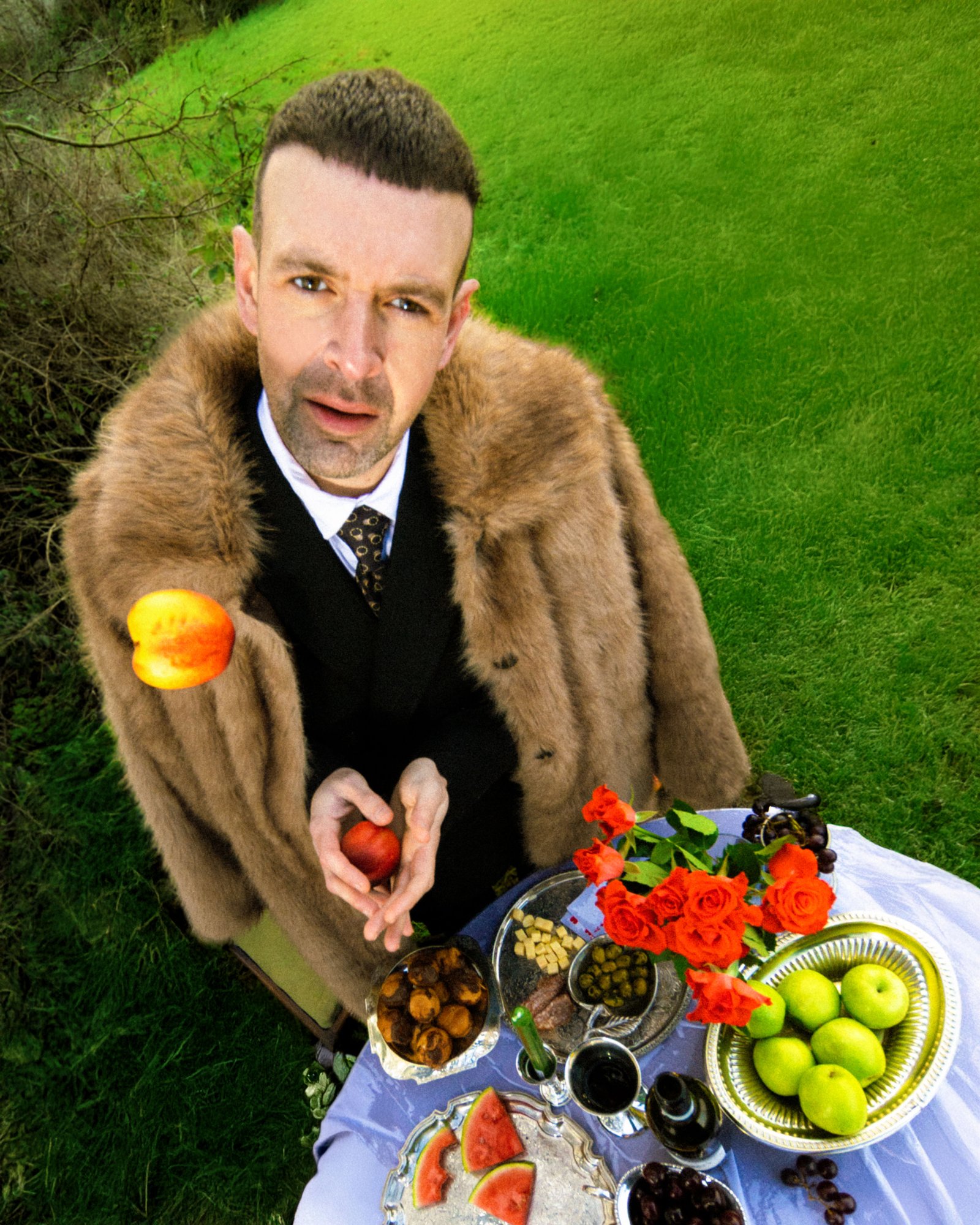
“When we started, it was just a handful of us in Cardiff, or even Wales, all with the same passion, Everyone starting at ground zero together was real motivation to push ourselves and want it.” There wasn’t a ready-made infrastructure. No obvious blueprint for what success was supposed to look like from there. If you wanted something, you had to build it. That kind of environment either makes you comfortable with smallness or obsessed with growth. He chose the latter.
What people don’t see, he says, is the volume of work. The hours. The monotony. “Probably the amount of hours sat in front of my laptop writing,” he admits. “I might not even be any good. I’ve just written so many bars there had to be some good ones.” He says it jokingly, but there’s something revealing in that honesty. It’s not about pretending to be naturally gifted. It’s more about repetition, discipline and outworking doubt.
That same mindset explains why he moves so comfortably between grime, UKG and Drum & Bass. It wasn’t some grand master plan. “I think it was a case of times changing, but also the fact I love working on all kinds of music. I’ve been lucky enough to edge my way into each of those scenes.” There’s no forced versatility there. It’s curiosity. It’s someone who refuses to stay in one lane because he doesn’t experience music in one lane.
The rawness in his records — that restless, slightly wired, late-night energy that runs through tracks like Paranoid, Have A Look, and 2AM — comes from something simple. “It’s from not trying to be anyone else,” he says. “Obviously there’s a lot of influences, but I make what I want to hear. So much gets deleted because it doesn’t sit right with me if it’s not 100% me.” That’s the detail that stands out: the deleting. The willingness to scrap good ideas if they don’t feel honest. “I don’t think my identity changes from any situation,” he adds. “I’m stuck like this.”
When it comes to writing, he usually starts in silence. “The lyrics mostly,” he says. “I write in silence and then work the lyric around a beat once I get it.” It explains why his tracks feel so intentional — like the emotion was carved out before the production ever arrived. Sometimes a beat will pull something out of him instantly, but more often than not, it begins with words. Just him and a blank space.
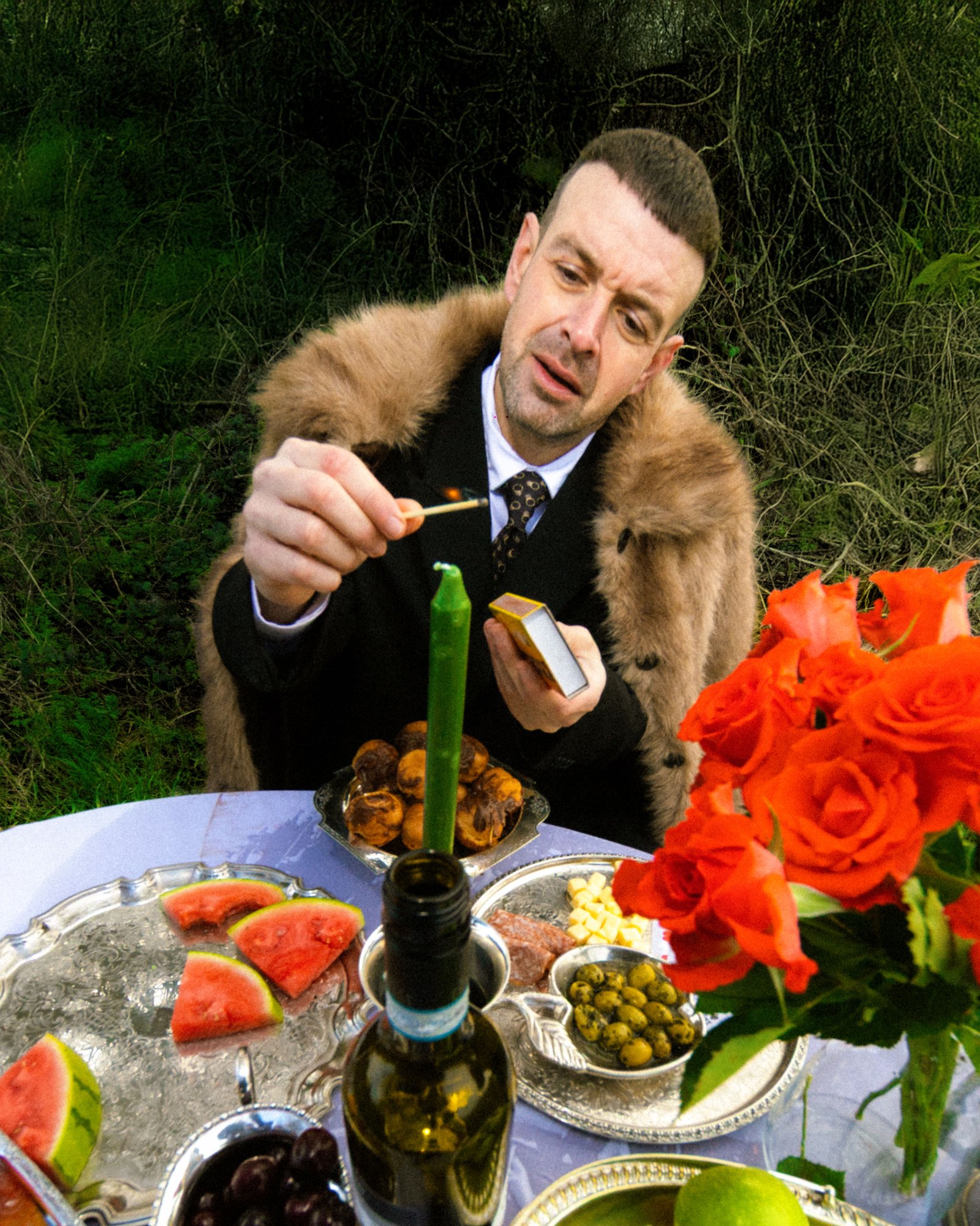
Collaboration, though, is where things stretch. “Massively important, Most of my releases are with other people because I like to bounce off whatever they’re talking about.” Working with artists like Jamezy, Shanesa and Window Kid unlocked that back-and-forth energy — the kind where someone walks into the studio with half an idea and suddenly it becomes something complete. And then there’s Vibe Chemistry. “Connecting the dots with people like Vibe is everything. It creates priceless moments which then encourage you to be even better.”
One of those moments was Absolute with Vibe Chemistry, Traumatik and Fernquest, now brushing against 20 million streams. “If you did know me, it was like, yeah, he’s having a moment,” he says. “And if you didn’t, it was like, who’s this talking about this madness?” Either way, attention shifted.
Some milestones carry weight in a different way. His Fire In The Booth session was one of them. “It meant a lot. It was something I thought I would never get.” Even then, he’s critical. “I still think it could have been better,” he says. “There was like three weeks to get the beats, write it and learn it.” The achievement is there, but so is the self-evaluation. The Cardiff-bred artist doesn’t let himself get too comfortable.
Last year alone he hit stages most artists dream about — Glastonbury, Boomtown, Reading, Parklife. For someone coming from a city that isn’t traditionally seen as a pipeline for UK underground dominance, that matters. “For the music we make, we haven’t been on stages bigger than we are now, but I hope we’re paving a way for the next generation to do even bigger stages.” There’s pride there, but also perspective. He understands the ripple effect.

This spring he heads out on a UK tour — Nottingham, Cardiff, Bristol, Manchester, London. When he talks about performing at home, his tone softens. “It’s the best, especially for my headline shows. I love seeing people who’ve supported me from the start still there backing me every step of the way.” Cardiff isn’t just another date on the list. It’s proof of longevity.
The reason for the tour isn’t ego. It isn’t numbers. “It’s so I can say I did it, Whether it goes good or bad. Just so one day when it’s all over I won’t wonder if I could’ve pulled it off.” There’s something deeply human about that — removing the possibility of regret before it has a chance to grow.
Right now, success looks simple. “Bills paid. Food on the table. Doing what I love but still being able to spend time with my family.” No theatrics. No billionaire fantasies. Just stability and freedom. And when asked what he hopes people say about him when they look back on this era, he doesn’t reach for grandeur. “I try and give time to everyone that speaks to me and every message I get, So I hope they say I was good… and not a c*nt.”
It’s blunt. It’s funny. It’s disarmingly honest.
The next chapter is clear in his mind: album, tour, more collaborations — and, he adds, “hopefully 100 million more streams.” There’s ambition there, but it doesn’t feel detached from reality. It feels like an extension of the same kid who sat in front of his laptop for hours writing bars just in case a few of them stuck.
Through the milestones, the streams, and the festival stages, one thing hasn’t shifted. He isn’t trying to become someone else or crafting a persona for the sake of it. He’s just refining what’s already there honestly, and maybe that’s why the underground trusts him. Because no matter how big the stage gets, he still sounds like someone who would rather delete a track than release something that doesn’t feel like him.
Read more Cover Stories from KLATMAG
Get Tickets to Local’s UK Tour
CREDITS
Talent: LOCAL @itslocs
Creative Direction / Photography: Hannah Lloyd @nwdljuice
Styling: Gustina Gray @fitssbyg
Writer: Angel Okonkwo @angeljo
Video Editor: Nmabuobi Oba @nmabuobi
Bts Photography: Kobena Amissah @v.ish.on
Quick Fire Interviewer: Asha Rajoriya @asharajoriya_
BTS contents: Jea Maracha @jea.maracha
Lighting: Leah Collins @leahkcollins
Editorial Director: Taiye Omokore @taiye_omokore