In the minds of many young people facing exploitation, exclusion or difficult circumstances, finding a safe space can be life-changing. At In-Spire Sounds, that safe space happens to be a music studio.
Founded on the belief that creativity can change lives, the Oxfordshire-based organisation has become far more than a place to make music, but instead, it is a place where young people rediscover confidence, reconnect with education and begin to imagine futures they never thought possible.
Now, with new funding from Thames Valley Police through the Crime Commissioner’s Fund, In-Spire Sounds is preparing to expand that impact even further.
For founder Kingsley Pratt-Boyden, the funding represents much more than financial support. It is an investment in young people whose lives could easily take a dangerous turn without meaningful intervention.
“The funding goes directly towards bespoke music and mentoring sessions,” he explains. “These are young people referred through Youth Justice and the Exploitation Service who are at risk of criminal exploitation, violence, drugs and harm. We want to help them create positive changes while gaining musical skills and seeing that there are alternative paths available to them.”
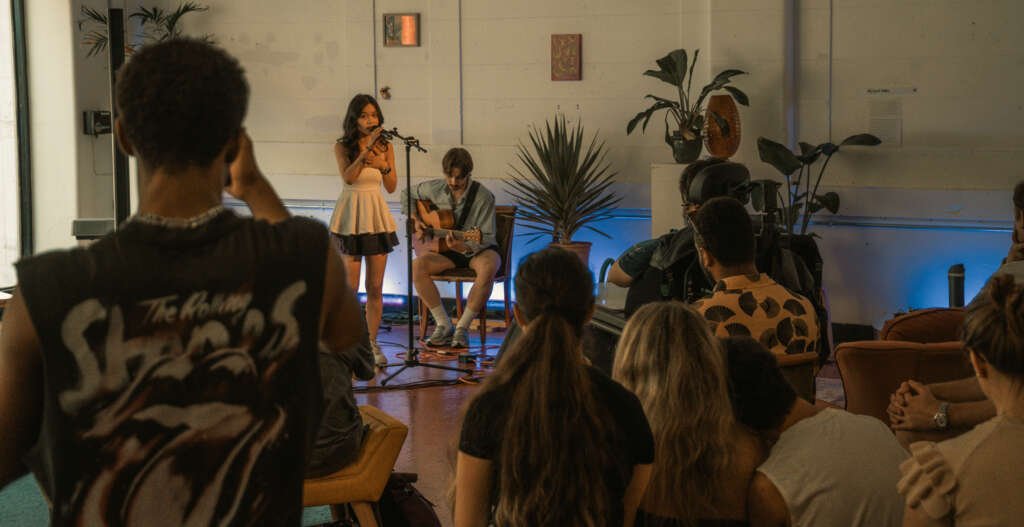
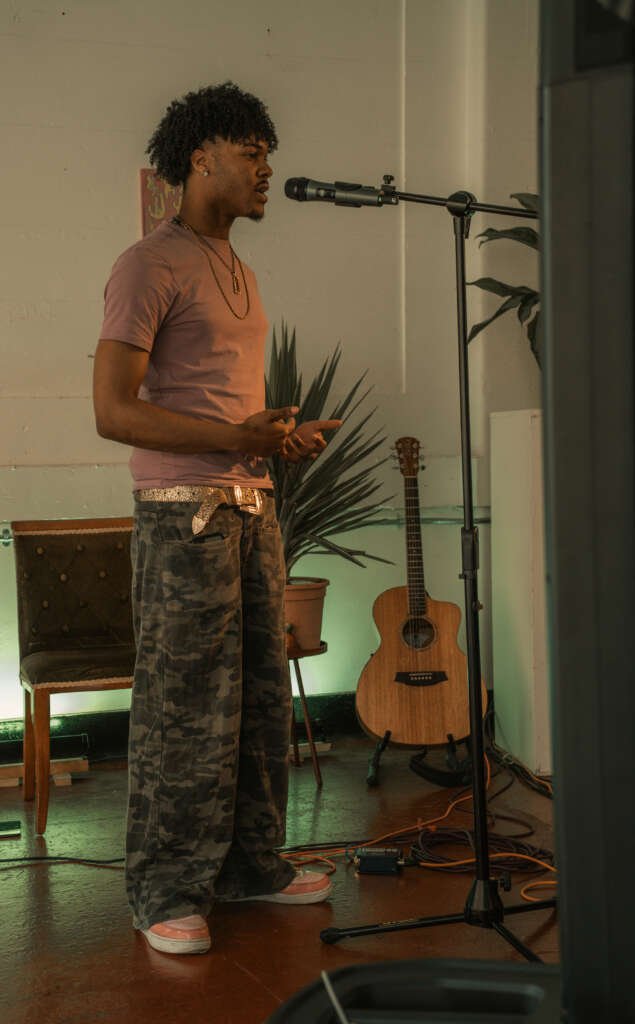
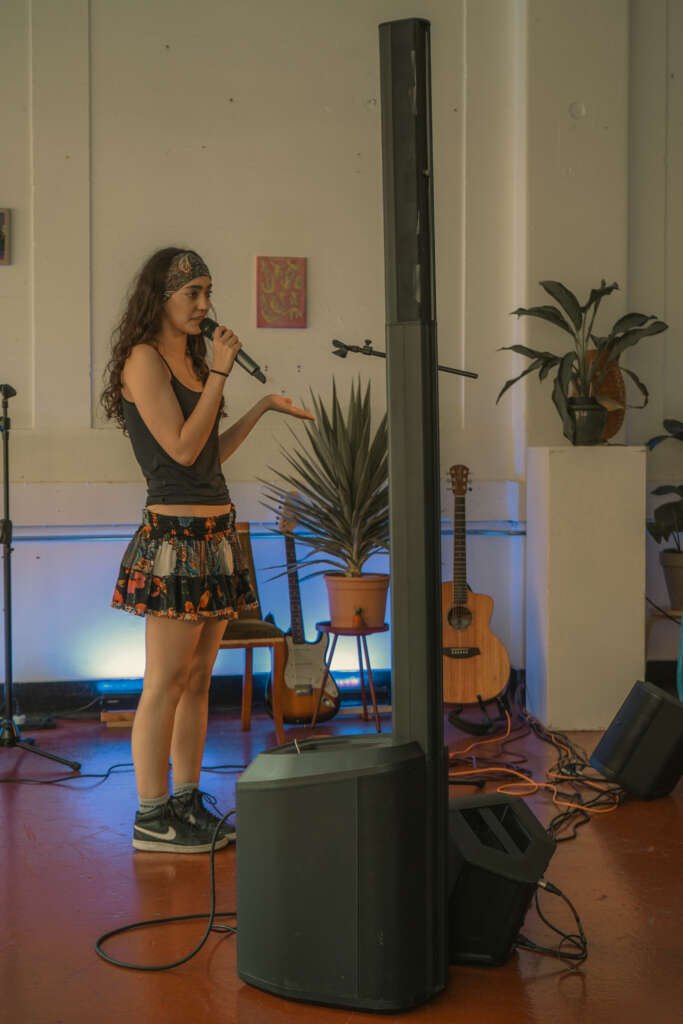
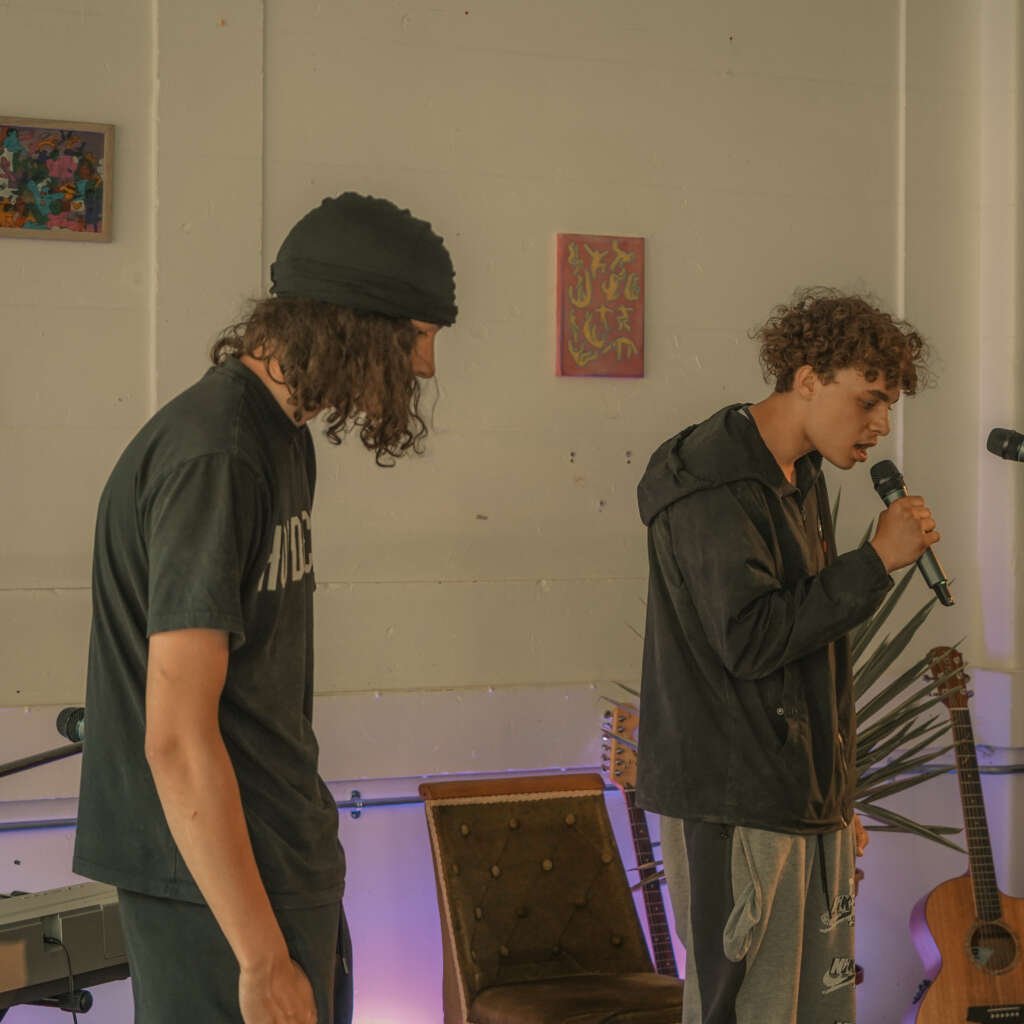
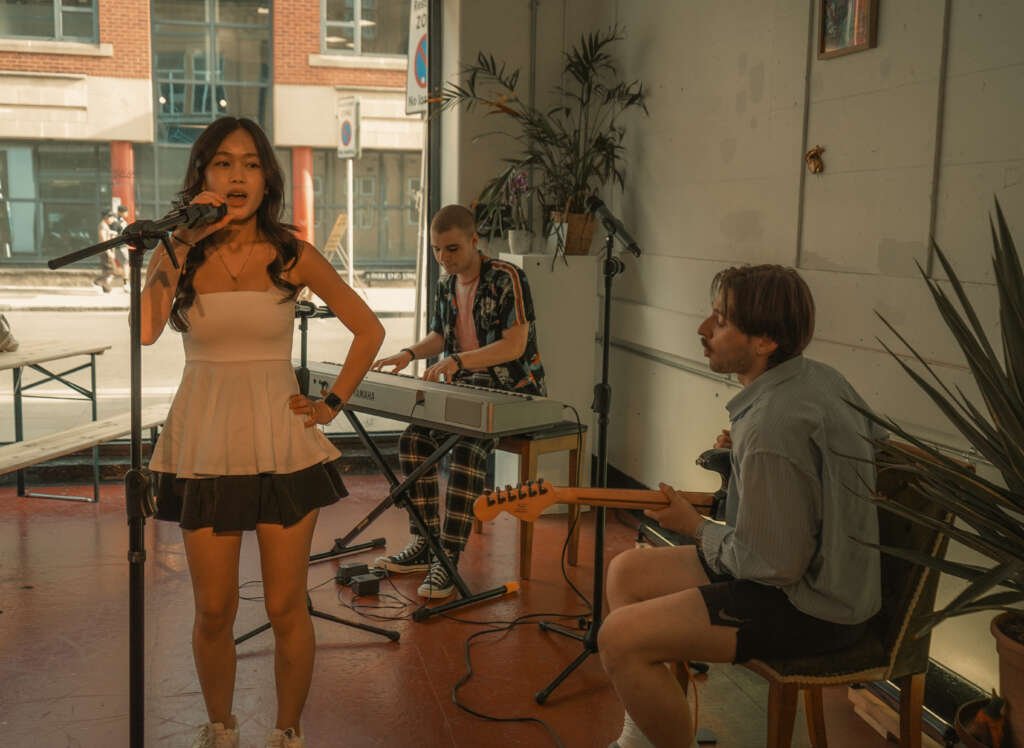
At the heart of In-Spire Sounds is a simple philosophy: music is never just about music.
Kingsley describes creativity as something inherently therapeutic, giving young people an opportunity to express themselves while making sense of the world around them. For many participants, the sessions become a way of processing experiences that are difficult to articulate elsewhere.
His personal motto captures the organisation’s mission perfectly: music interventions can help break cycles of self-doubt and negativity, whether those cycles stem from generational trauma, harmful peer groups or simply a lack of belief in one’s own potential.
Reflecting on conversations with colleague Kema, Kingsley recalls a phrase that continues to inspire the organisation’s work.
“We don’t really teach creativity,” he says. “We teach people how to dream.”
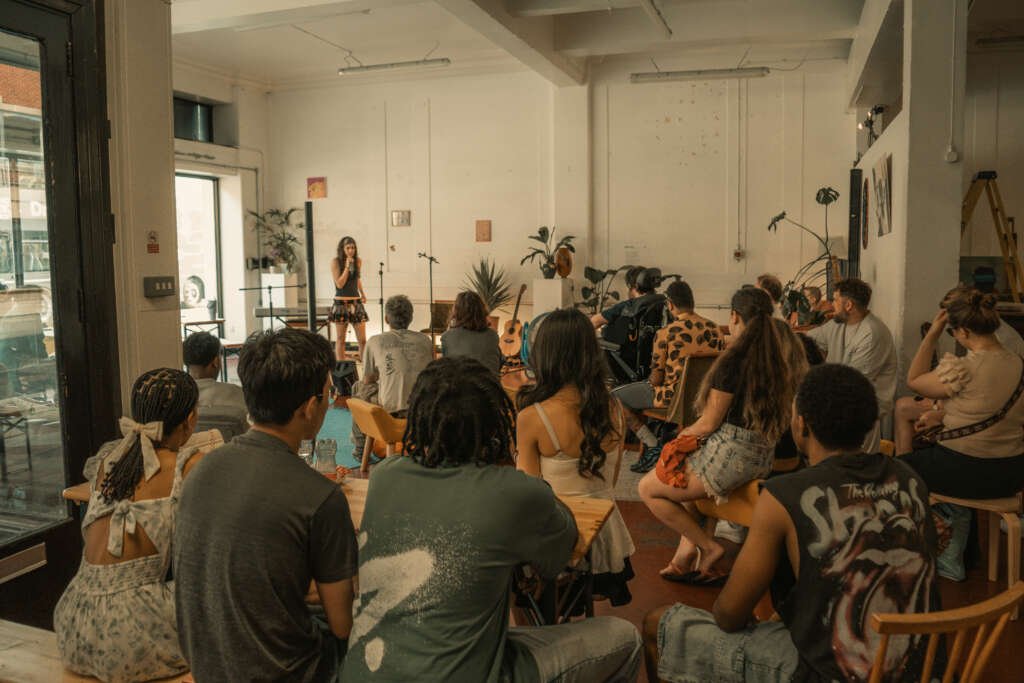
That philosophy has also shaped one of In-Spire Sounds’ biggest recent milestones, becoming an accredited Alternative Education Provider.
The accreditation allows young people to attend the organisation as part of their formal education, either alongside mainstream schooling or as an alternative for those who struggle to engage in traditional classroom environments.
According to Kingsley, many of these young people are not refusing education; they simply cannot cope with being on a school campus.
Through rap, lyric writing and beatmaking, In-Spire Sounds helps participants reconnect with learning while developing skills in English, mathematics, history and critical thinking. The organisation fills a gap that schools often cannot.
“We act as the bridge,” Kingsley explains, helping young people gradually re-engage with education and ultimately find pathways into further learning.
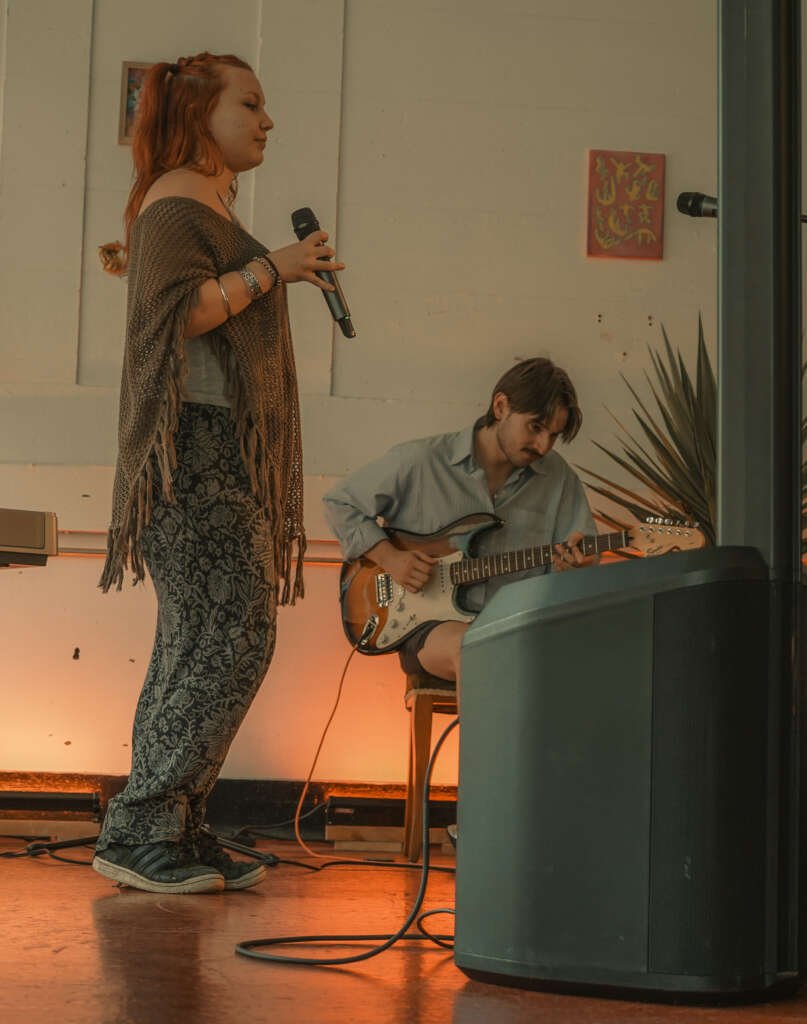
That same spirit of empowerment is reflected in IN THE MIX: Volume 1, a mixtape entirely written and performed by the young people themselves. The project features some of the strongest music produced in the studio since reopening after Christmas in 2026. While the organisation creates music regularly, having a defined goal, a release date and a public performance changed the way participants approached their work.
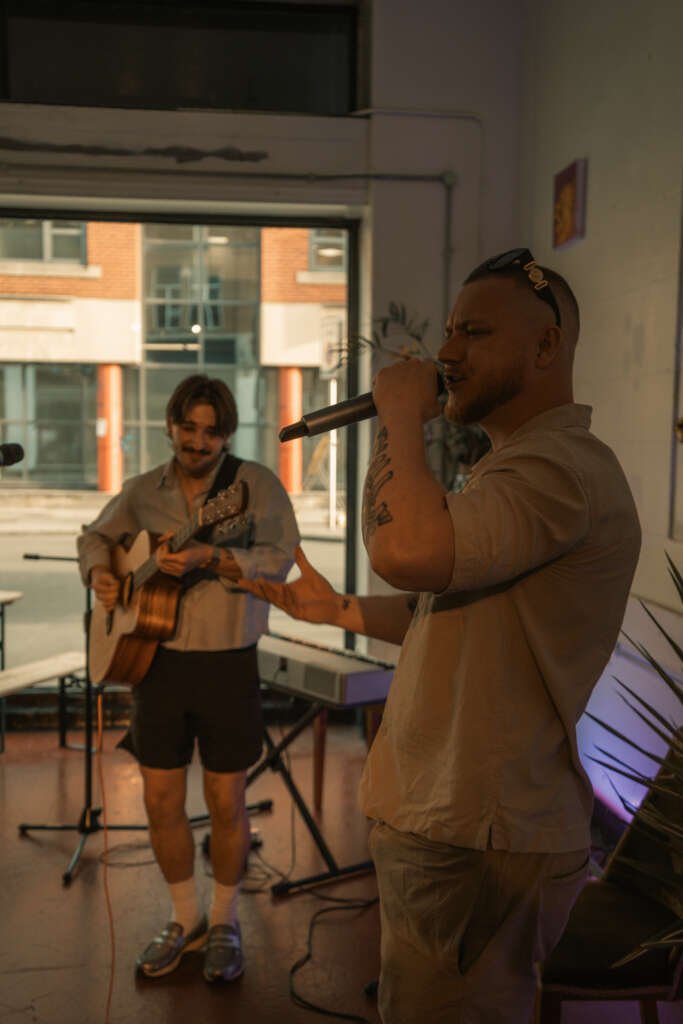
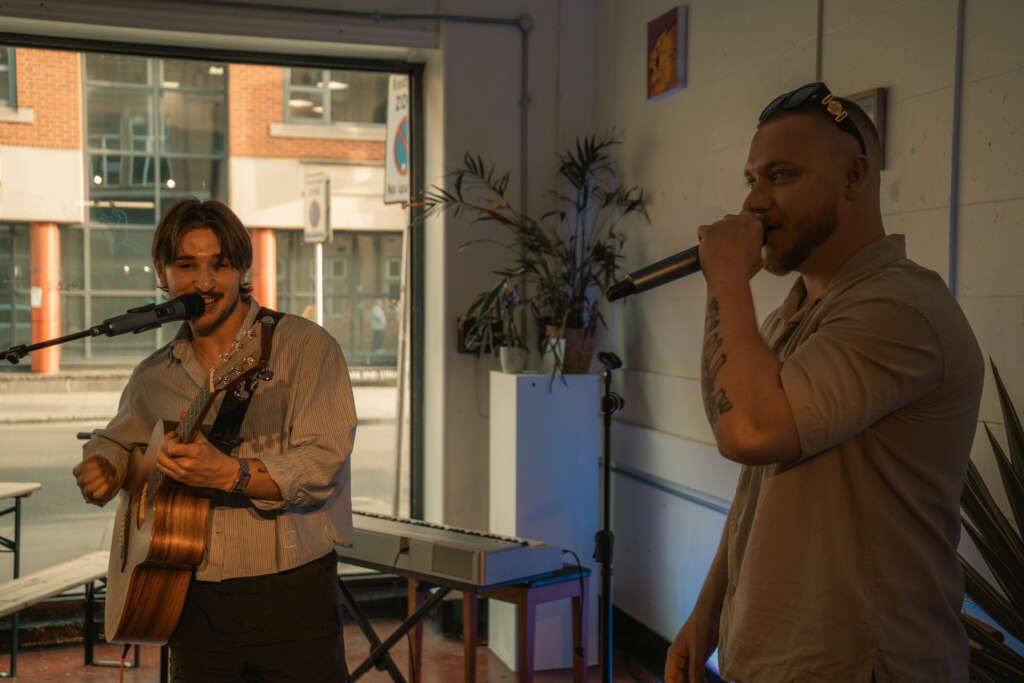
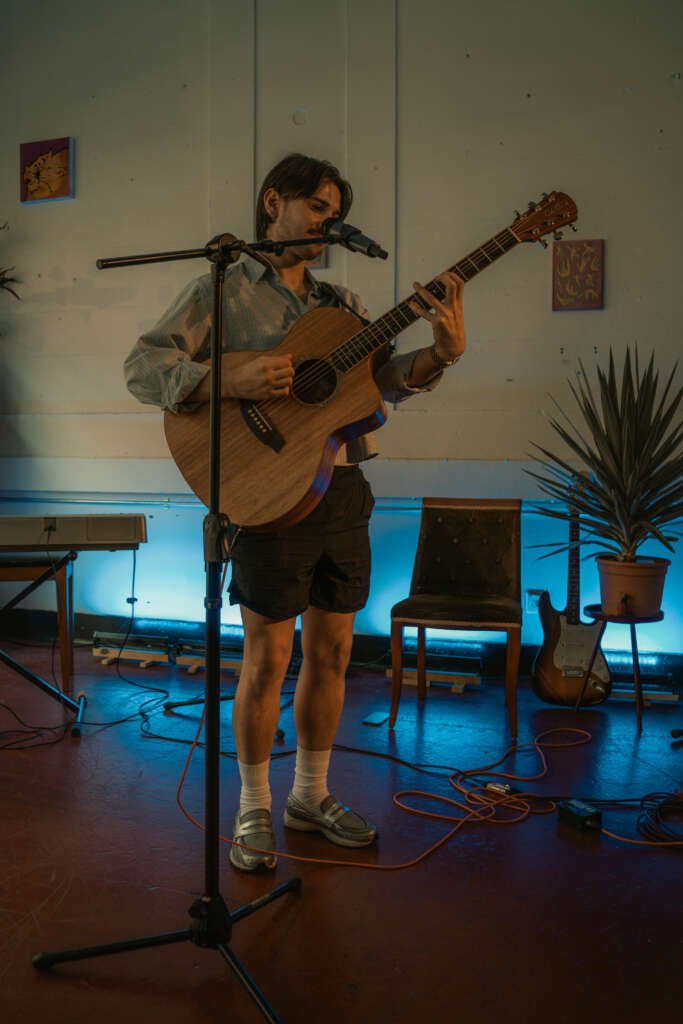
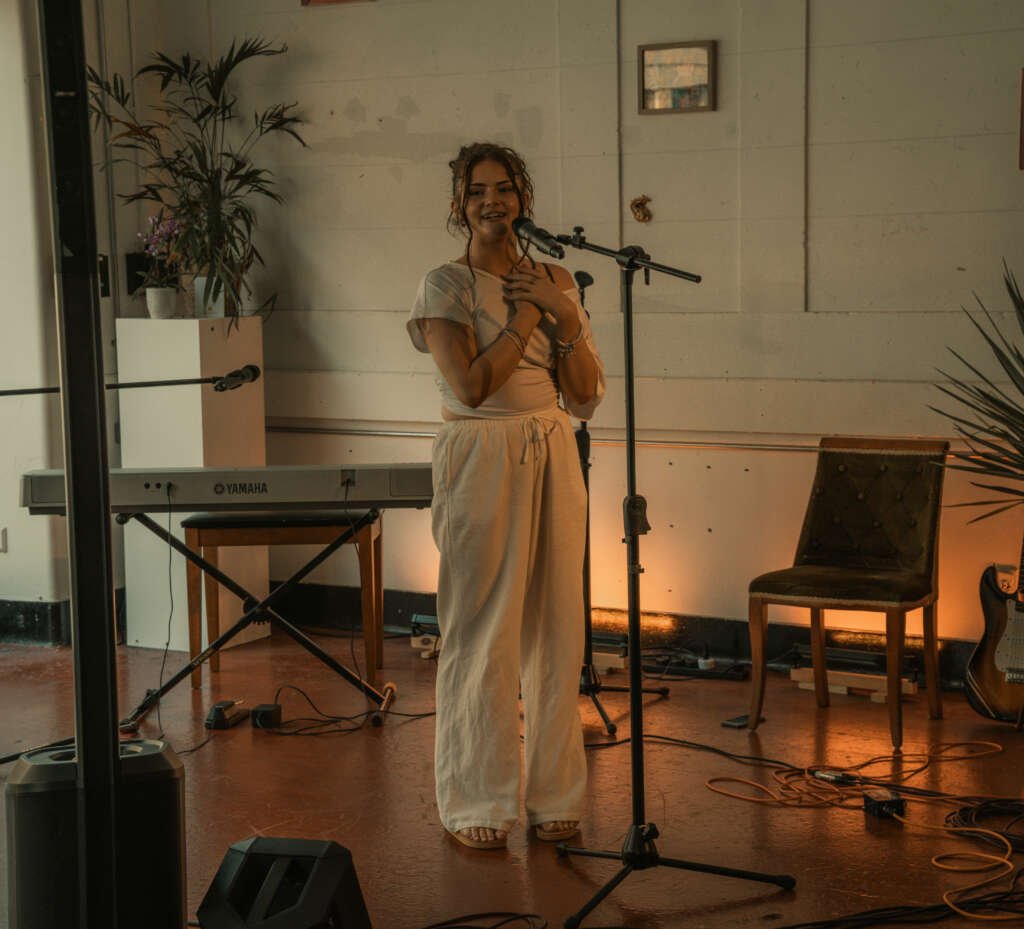
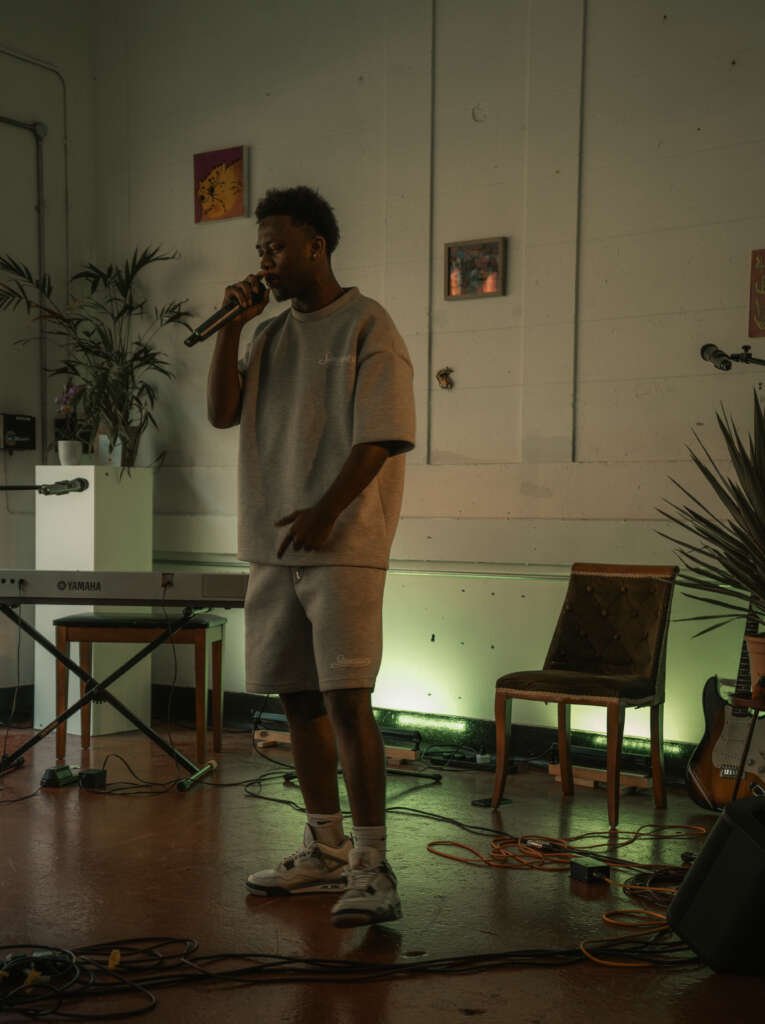
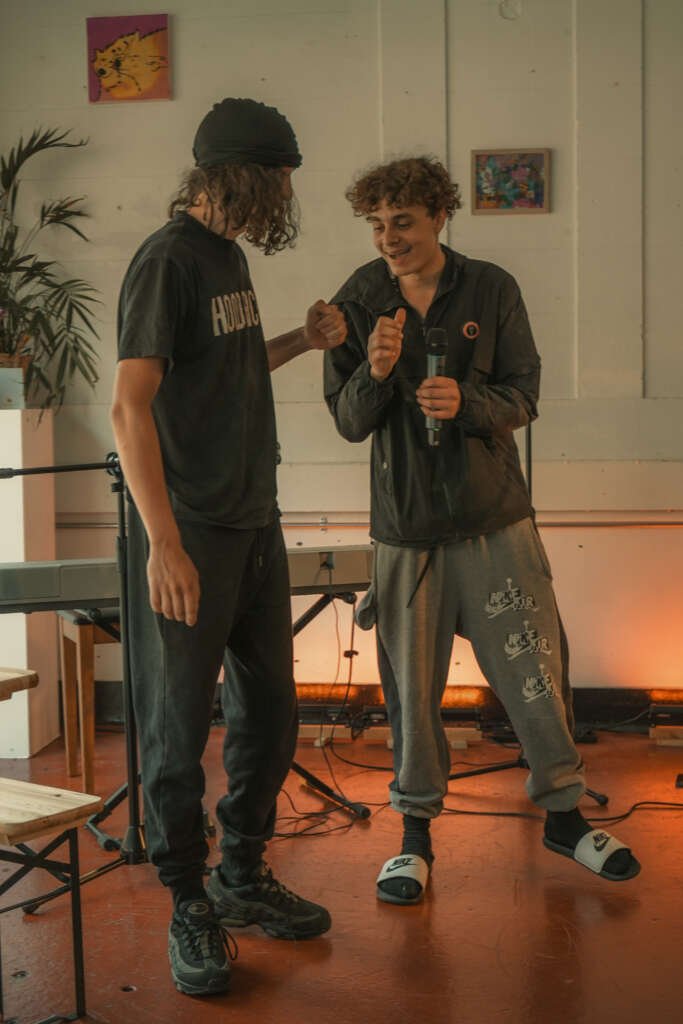
“We always treat them like professionals,” Kingsley says. “But this made them treat themselves like professionals.” The experience extended beyond songwriting and recording.
Participants learned about Performing Right Society (PRS) registrations, contracts and the practical realities of working in the music industry. Even seemingly small gestures, like receiving USB drives to store their music and instrumentals, reinforced the message that they should begin to see themselves as artists.
The mixtape became more than a creative project, but an exercise in confidence and responsibility.
Many of the young people who arrive at In-Spire Sounds have developed deep mistrust of authority and negative associations with mainstream education or other support services. Long waiting lists for mental health support and previous experiences with institutions often leave them feeling overlooked.
Rather than recreating another classroom, In-Spire Sounds intentionally creates something different.
The studio is designed to feel comfortable and welcoming, with rugs, plants, sofas and warm lighting replacing sterile spaces and clinical walls. There are no waiting lists and no sense of hierarchy. Most importantly, the young people are treated with respect.
“We don’t talk down to them,” Kingsley explains. “We treat them like adults.”
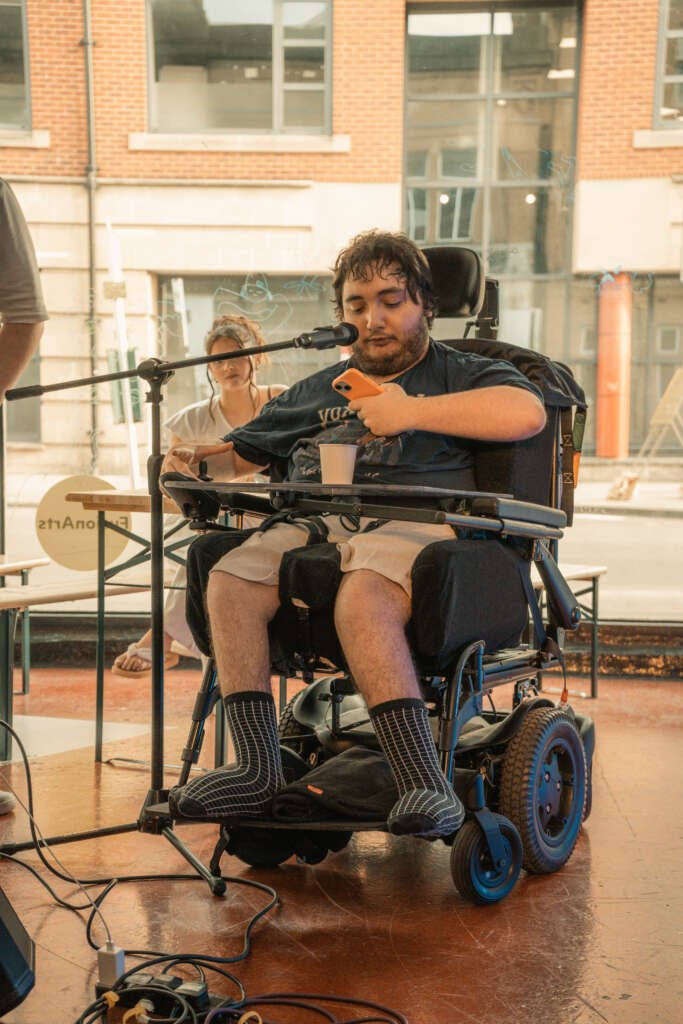
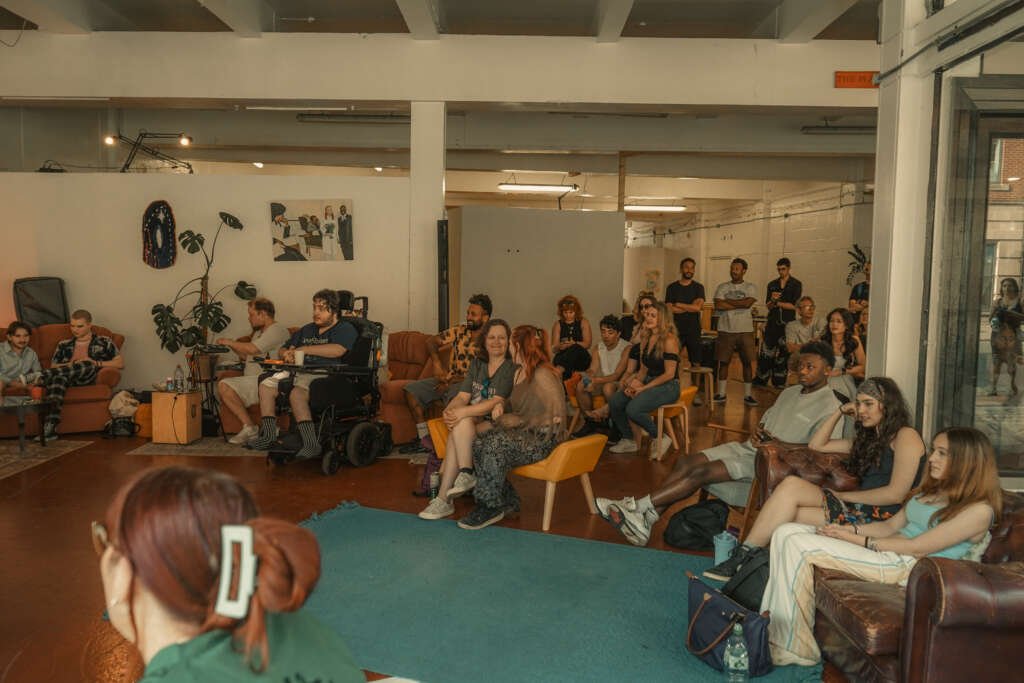
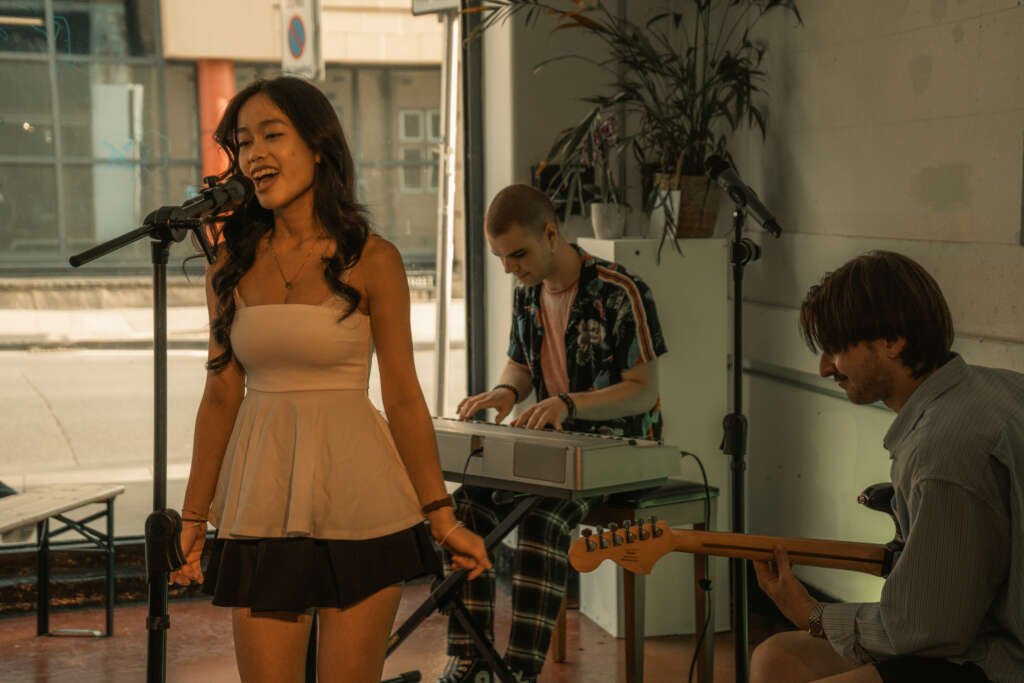
That atmosphere, he believes, is one of the reasons participants feel comfortable enough to engage and grow, Looking ahead, Kingsley’s ambitions stretch far beyond expanding sessions or opening larger facilities.
His vision is to reach every young person in Oxfordshire who needs support through creativity, education or help overcoming life’s barriers.
But there is an even bigger goal at stake, If In-Spire Sounds can demonstrate that its model works, Kingsley hopes it will challenge the wider education system to rethink alternative provision entirely.
Too often, he argues, struggling young people are simply placed together and expected to improve without meaningful intervention.
“That’s expensive childminding, not real help.” Instead, he believes alternative education should actively solve problems, equipping young people with the confidence, skills and opportunities needed to thrive.
When asked what he wishes policymakers, educators and the wider public understood about music’s role in youth development, Kingsley offers three powerful reflections.
First, he reminds people that every child is an individual story, not a statistic.
“Treat every child like a story,” he says, adding that whether that story becomes a successful one depends greatly on the adults around them.
Second, he argues passionately for greater investment in young people themselves. While cities continue to invest millions in infrastructure, technology and buildings, he believes far less attention is given to the people who will ultimately shape those communities in the future.
Finally, he calls for genuine listening. Rather than creating programmes based on assumptions or fashionable ideas about “youth voice,” Kingsley believes organisations should take a bottom-up approach, engaging directly with young people to understand what they actually need.
Listening, he suggests, may be the most powerful intervention of all. For In-Spire Sounds, music is simply the starting point.
The real work lies in rebuilding confidence, restoring hope and showing young people that their futures are not defined by circumstance but by possibility. And perhaps, as Kingsley Pratt-Boyden so eloquently puts it, teaching them that they are capable of dreaming again.
Read more Art and Culture stories from KLATMAG
Listen to IN THE MIX: Volume 1 by Inspire Sounds
Written by Angel Joanne Okonkwo