In the minds of a lot of people, a social club is simply a place to gather. For photographer Laurie Broughton, it is something much deeper, it is a living archive of identity and belonging.
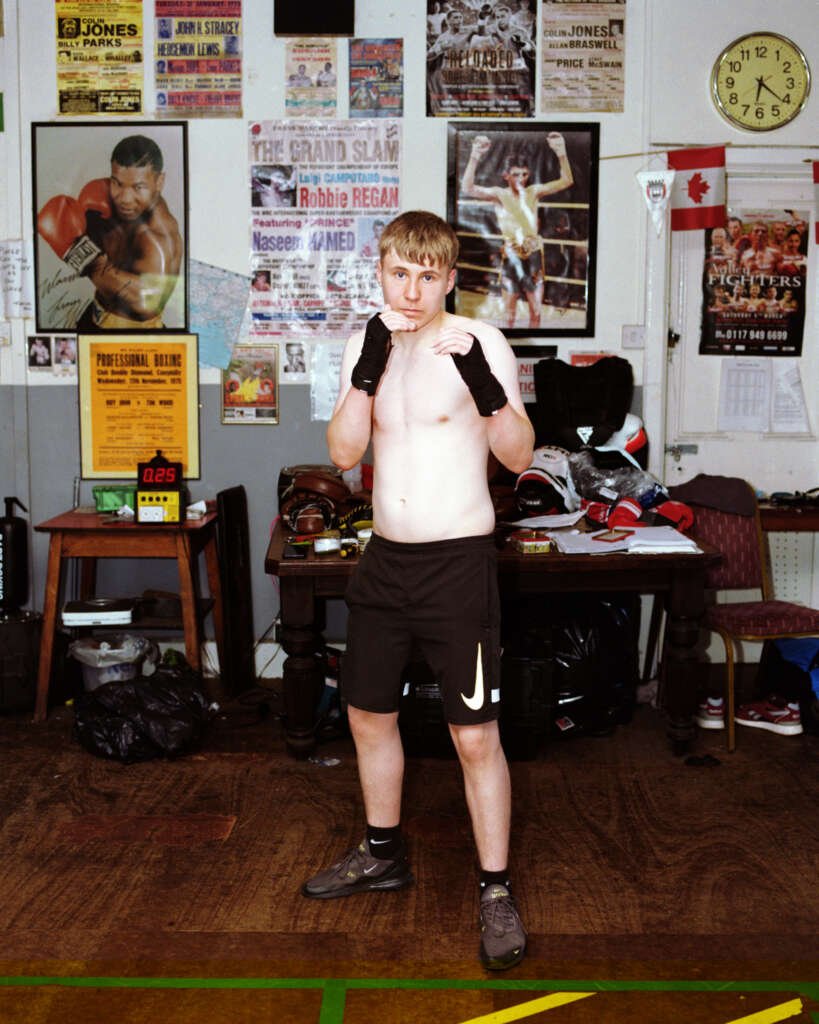
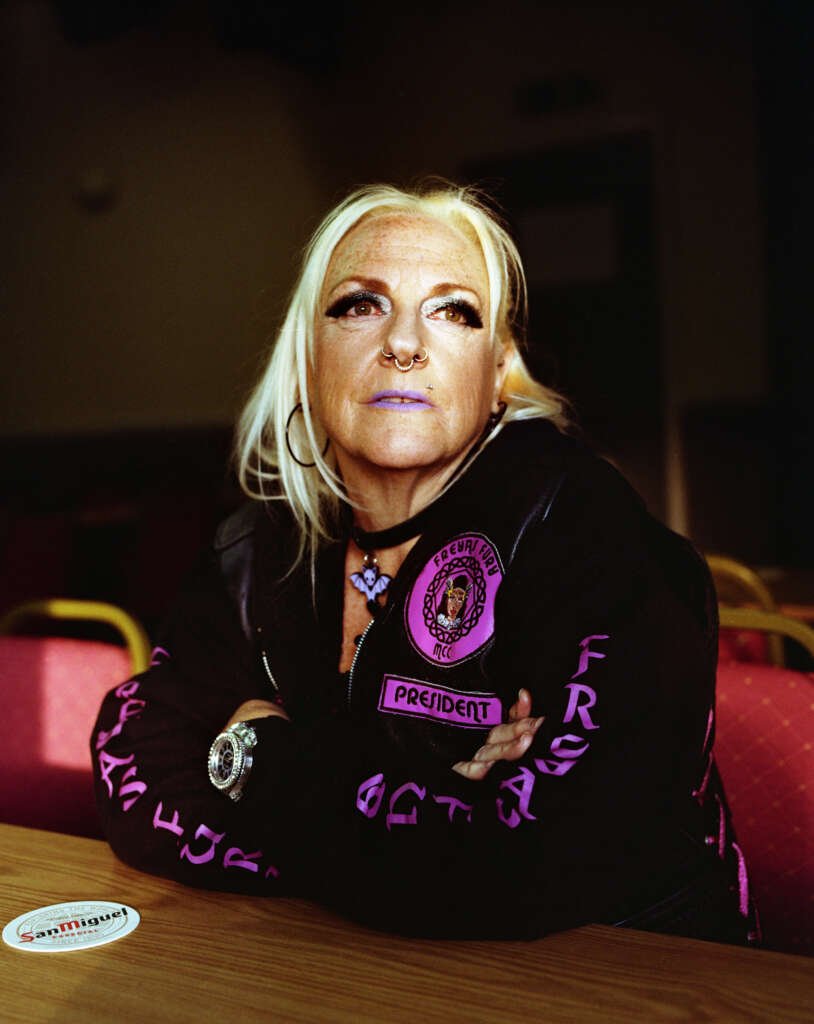
His long-term documentary project, Clwb, explores the sporting and social clubs scattered across the South Wales Valleys, revealing communities that continue to thrive in a scene shaped by post-industrial change. Through intimate portraits and quiet moments of everyday life, the project offers a counter-narrative to the stereotypes often associated with the region.
Now shortlisted for the Sony World Photography Awards, Clwb has found an international audience, but for Broughton, the recognition means far more than personal success.
“Honestly, it felt surreal,” he says. “Clwb is such a personal and long-term project, so having work from it recognised on an international platform was a huge moment for me and for the clubs represented. More than anything, it gave me confidence that these stories and communities resonate beyond Wales itself.”
That sense of connection lies at the centre of everything he photographs.
Originally moving from South London to Wales to study documentary photography at the University of South Wales, Broughton never imagined the country would become such a defining part of his creative identity. Seven years later, it feels impossible to separate the two.
“I really grew to love living in South Wales,” he says. “The incredible landscapes and the richness of its culture all played a part in that.”
More importantly, he found something unexpected.
“I found a real sense of belonging here through the relationships I’ve made while living here. The creative scene is small enough to make connections easily, and this feeling of belonging naturally became central to both my life and my work.”
That belonging became the foundation of Clwb. Rather than documenting clubs simply as sporting venues or recreational spaces, Broughton became deeply interested in the role they play within their communities.
“They’re not just places for sport or leisure,” he explains. “They hold memory, identity and relationships that have been passed down across generations.”
Coming from outside Wales allowed him to see these spaces with fresh eyes. He was struck by how deeply embedded they remain in everyday life and how they continue to function as social anchors within communities navigating life after industry, The warmth captured in his photographs is no accident.
Instead of dropping into communities briefly with a camera, Broughton spends months and years building relationships.
“Spending time with communities is a way to build trust,” he says. “I try to return regularly, spend time with people without always photographing, and genuinely engage with communities beyond the camera.”
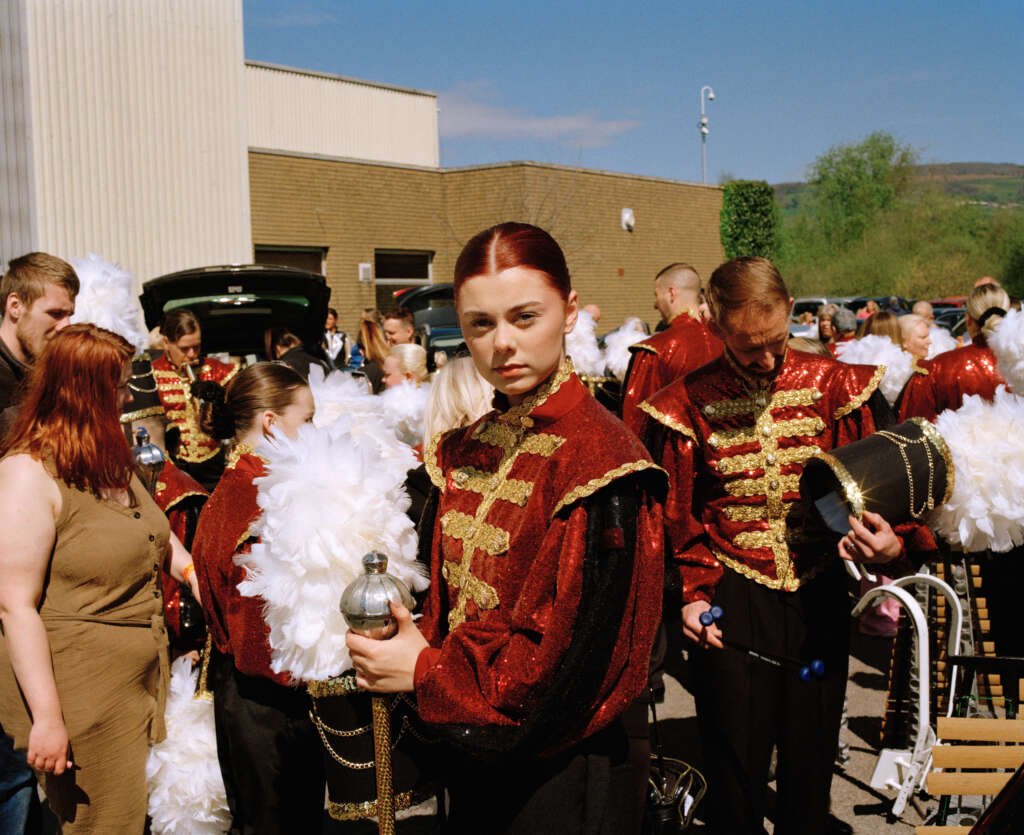
The process extends beyond making photographs. He often returns with printed images to share with the people and clubs he has documented, turning photography into a conversation rather than an observation.
“It became more of an exchange than simply documenting from the outside,” as empathy and curiosity guide his approach.
“I think what’s often key is having a level of empathy and curiosity, being a good communicator and actively being interested about people’s lives.” Those relationships have led to countless memorable moments throughout the project.
One that remains particularly special was being invited to the birthday party of a member of the Llantrisant & District Aeromodelling Club, where conversations ranged from drone technology to perfect weather conditions for flying remote-controlled planes.
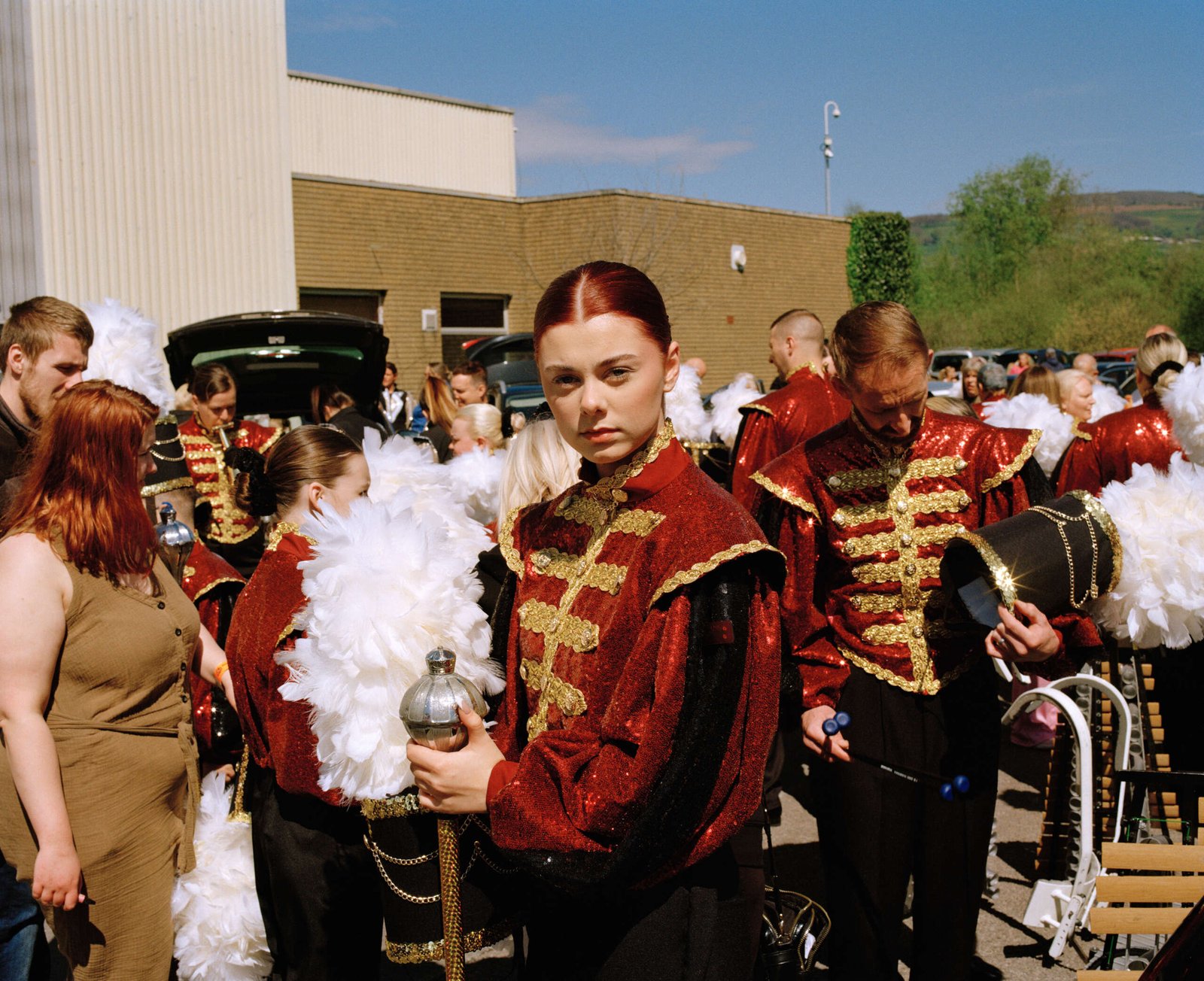
Elsewhere, he became fascinated by the dedication behind marching jazz bands and even discovered a newfound appreciation for pigeon racing.
“I have a new found love for pigeons and think they are misunderstood and so beautiful,” he says with a smile.
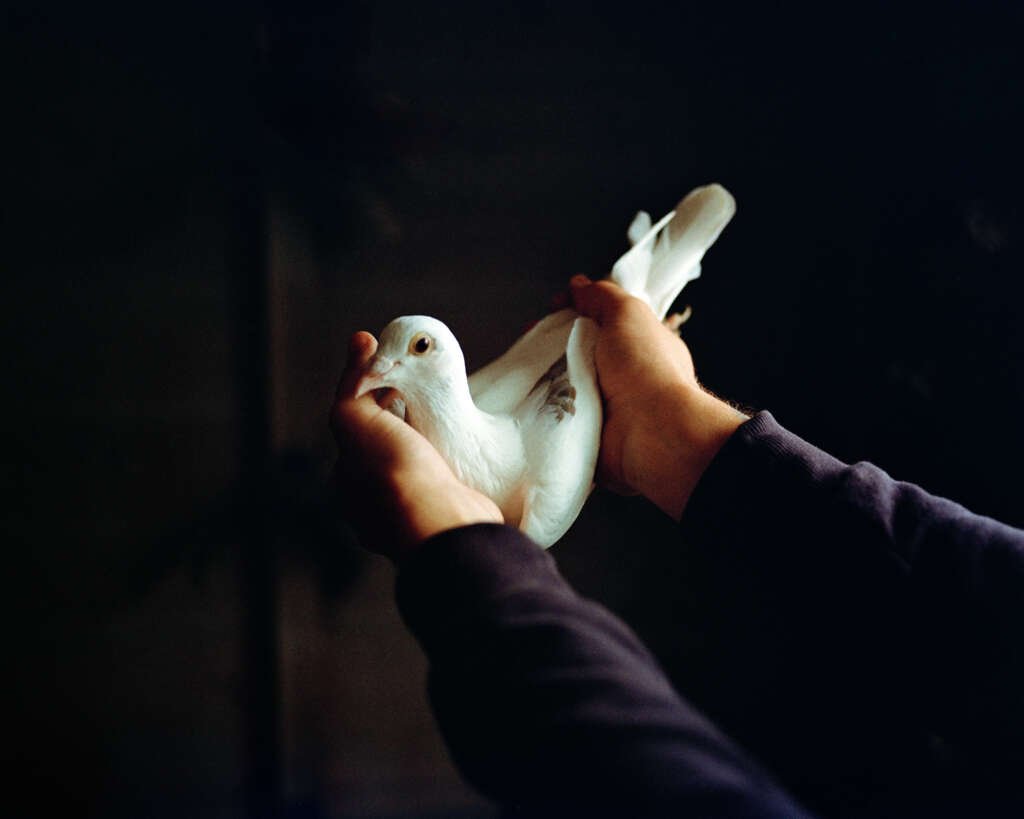
Yet beyond these individual moments, what continues to resonate most is the passion people carry for traditions inherited across generations.
“Many of the people I photographed spoke about learning these traditions from parents or grandparents, and now carrying that responsibility forward themselves.”
For Broughton, these clubs preserve something far greater than hobbies. “They are spaces where identity, memory and community are continuously preserved and shared.”
His work also quietly challenges assumptions, For example, He believes documentary photography still possesses the power to change public perception when created with patience and care, “It can give new meaning and encourage people to look beyond surface-level assumptions.”
In an era dominated by algorithms and rapid consumption, he encourages people to experience places for themselves rather than relying on narratives shaped online.
“For me, picking up a camera gives me a purpose to do that. It allows me to enter spaces, meet people, and spend time understanding lives and communities beyond what is often represented from the outside.”
His affection for Wales has only deepened over time, “I think it’s their humour, their kindness and their warmth.” The Valleys, in particular, continue to fascinate him because no two towns are truly alike. “The high street in Abergavenny feels worlds apart from the high street in Ebbw Vale.”
Teaching photography at a further education college in Ebbw Vale has strengthened that understanding even further. Conversations with students about religion, rugby, music, art and everyday life have helped shape his perspective and informed the evolution of Clwb itself.
“I would often speak with my students and learn from them about what was happening locally, as well as their thoughts on society and what living in South Wales feels like for them.”
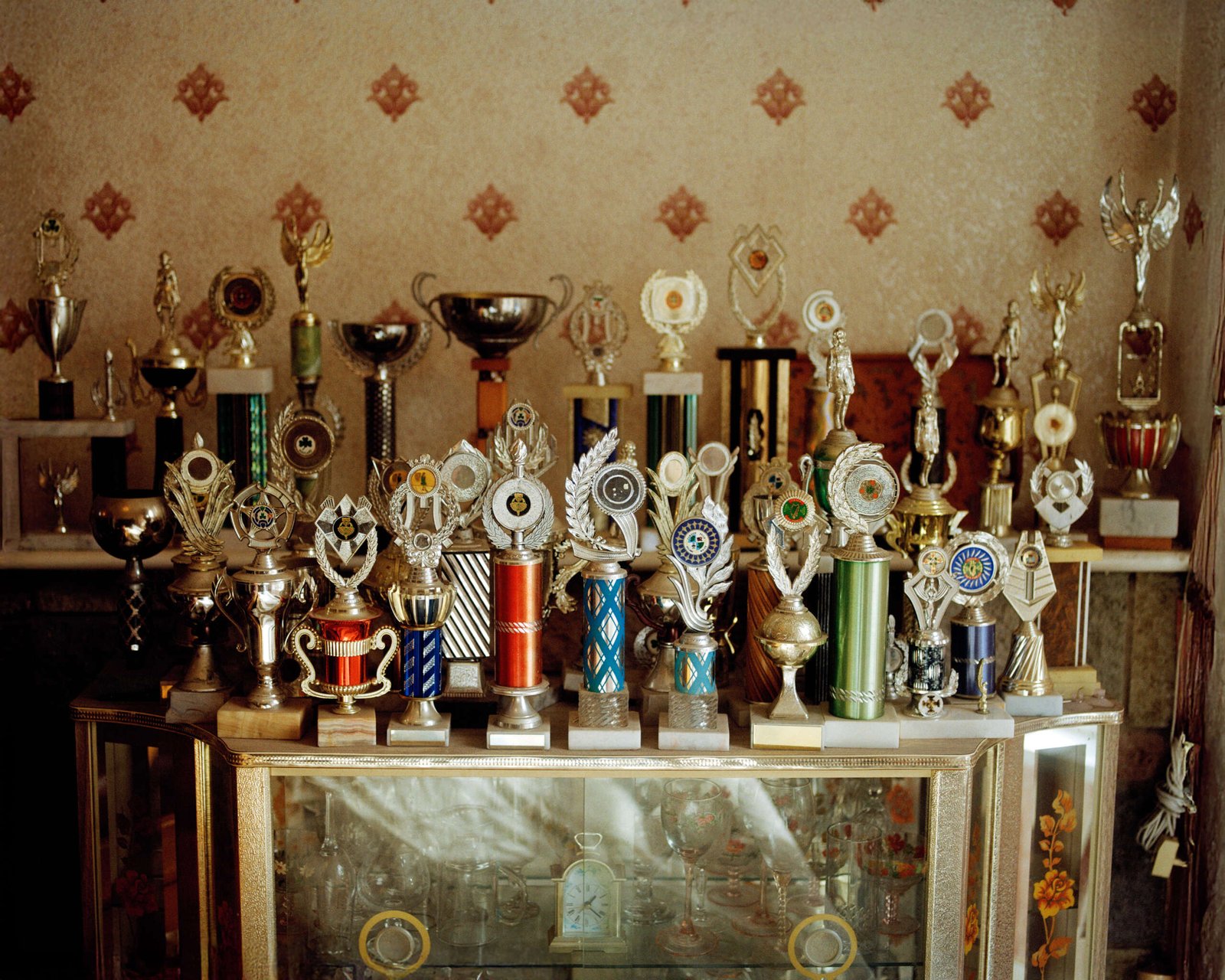
His interest in long-form storytelling is another defining characteristic of his work.
Rather than chasing quick images, Broughton prefers returning to the same spaces repeatedly, allowing moments to unfold naturally.
“Sometimes I see something in being in a space the fourth or fifth time that I never even considered.”
That patience allows trust to grow and more intimate photographs to emerge—images that reveal tenderness rather than spectacle. Even when documenting social issues, he believes emotional connection is essential, provided it is balanced with ethical responsibility.
“I try to remain aware of my role as a photographer and not impose narratives onto people’s lives.”
His goal has always been to create work that reflects society honestly without glamourising or stereotyping it. Recognition from the Sony World Photography Awards has reinforced that ambition.
“I think it makes me consider trying to take the next step in my career and gives me confidence.” Yet despite international attention, Broughton remains humble about the unpredictable nature of creative industries, describing the experience as an opportunity to meet fellow photographers who he believes will become lifelong friends.
Looking ahead, he believes community spaces are becoming increasingly valuable in a world where social interaction is often digital and isolated.
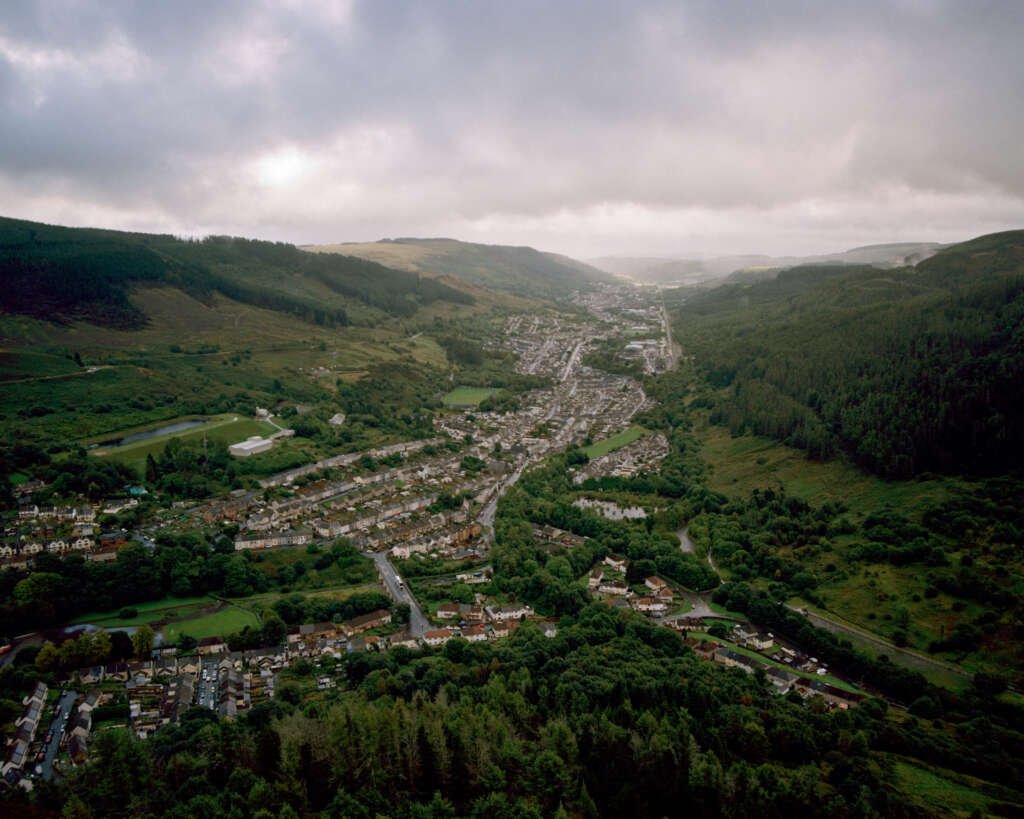
“The South Wales Valleys hold one of the most distinctive built landscapes in Britain.” From miners’ welfare halls and chapels to terrace houses and social clubs, these places preserve the memory of communities that built them. Documenting them now, he says, feels increasingly urgent.
Ultimately, that urgency is what defines Clwb, It is more than a photography project, it is a celebration of resilience, care, tradition and everyday humanity.
“I want the work to feel honest,” Broughton says. “I want people to understand the intergenerational relationships at play with sports and traditions, which play a massive part in South Wales identity.” Above all else, he hopes the people in the photographs recognise themselves in the stories being told and feel proud.
Read more Art and Culture stories from KLATMAG
Photography by Laurie Broughton
Written by Angel Joanne Okonkwo