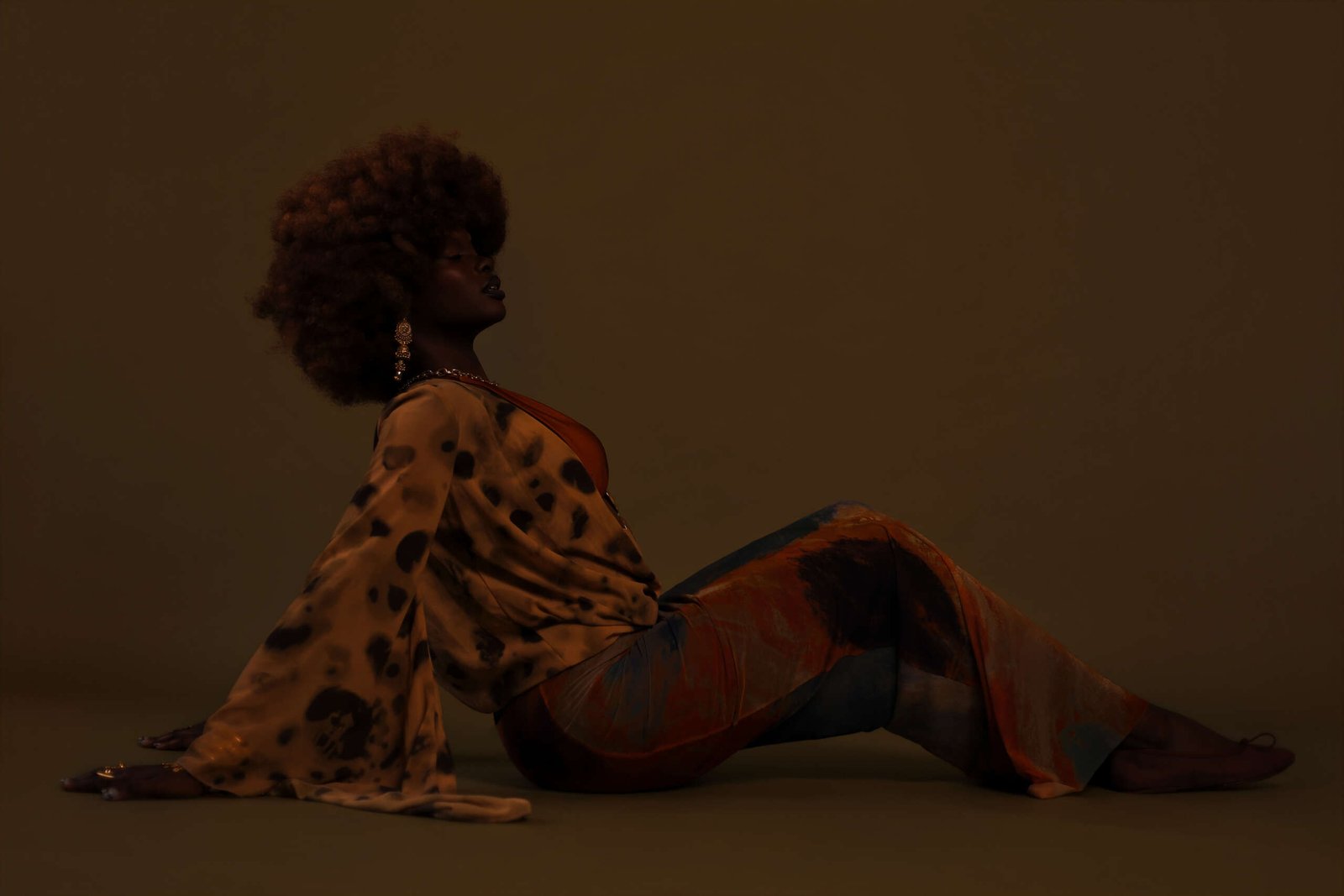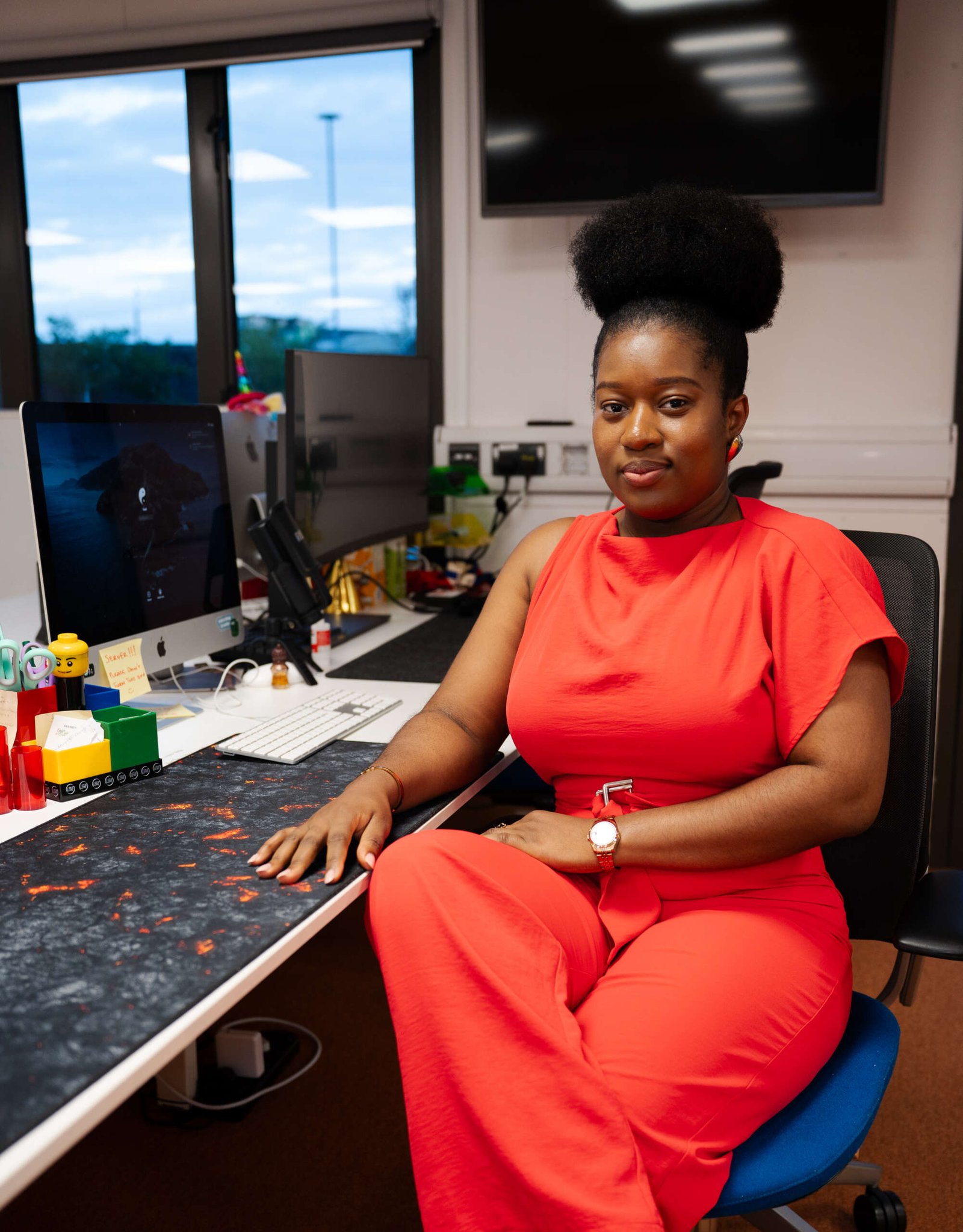
For Gloria David, home has never simply been a place. It is memory, identity, safety, dignity and the invisible thread that connects people to themselves and to one another.
The Wales-based multidisciplinary creative and community advocate has built her emerging practice around questions many people carry but rarely articulate: What does it mean to belong? How do communities heal after displacement? And can creativity make conversations about housing, migration and homelessness feel more human?
Those questions are deeply personal, “I think my understanding of home started long before I had the language for it,” Gloria reflects.
Growing up in southern Nigeria, she witnessed communities living with environmental disruption, economic hardship and social inequality. Stability could change overnight, and those experiences shaped the way she understood both people and place.
“Home was never just a physical structure to me, It represented safety, identity, dignity and emotional grounding.”
As she grew older and later moved countries, her understanding evolved even further. She realised that displacement is not always visible. Some people may have shelter but never truly feel safe, while others experience cultural, emotional or psychological forms of displacement that are harder to name.
“Many people carry an invisible grief around belonging, Today, when I think about home, I think about memory, community, access, safety, culture and human dignity.”
Those ideas now sit at the heart of her creative practice.
Rather than creating art for aesthetics alone, Gloria uses socially engaged projects and public dialogue to explore the emotional realities behind housing insecurity, migration and identity. Her work asks audiences to feel before they judge.
“Art reaches people emotionally before policy ever does,” she says. “Data and reports are important, but art allows people to feel. It creates space for reflection, empathy and conversation in ways that traditional systems sometimes cannot.”
Her projects extend beyond physical homelessness to examine emotional displacement, belonging and the universal search for stability in a rapidly changing world.
“I want people to encounter work and see fragments of themselves in it — their memories, fears, hopes or experiences of starting again.” That commitment to human-centred storytelling is also informed by her experience working in housing, public service and community development.
Working directly with vulnerable communities taught her that insecurity often exists beneath the surface, “Many people are navigating insecurity while still trying to function, provide for their families and maintain dignity,” she says.
The experience changed her understanding of housing, revealing that instability extends far beyond accommodation itself. “Housing insecurity is rarely just about accommodation. It affects mental health, relationships, confidence, opportunities and even a person’s sense of identity.”
She also saw how institutions can unintentionally strip away individuality by reducing people to numbers and case files instead of recognising their humanity, “It made me more intentional about creating work that centres people with compassion and dignity rather than pity.”
This perspective shapes her criticism of many public conversations around housing.
“I think many conversations focus heavily on infrastructure and economics while overlooking emotional and cultural realities,” she says. “Housing is not simply about units, numbers or buildings. It is about people’s lives.” For Gloria, the people most affected by housing insecurity should have a greater role in shaping the conversations around it.
“People experiencing these realities often hold valuable insight into what support, safety and belonging truly look like.” That belief in participation also influences how she creates.
With a background in project management, Gloria approaches creativity with both imagination and structure. Planning, collaboration, accessibility and long-term impact are all integral to her practice.
“Creativity is important, but structure is what allows ideas to grow sustainably and create measurable impact.”
Whether developing workshops, exhibitions or community initiatives, she prioritises listening and adaptability, “Community-centred creative work requires listening, flexibility and strong organisational thinking.”
Living in Wales has further expanded her understanding of identity and belonging.
“Moving countries naturally changes your relationship with identity and belonging. You begin to reflect more deeply on what it means to feel rooted.”
Experiencing life in the UK exposed her to the beauty and complexity of multicultural communities while highlighting how migration, housing and social systems shape people’s experiences differently.
At the same time, Wales introduced her to “strong ideas around community wellbeing, local culture and grassroots engagement,” inspiring a collaborative approach to creativity, “It encouraged me to think less about creating for communities and more about creating with communities.”
Ultimately, Gloria hopes audiences leave her work feeling something deeper than awareness, “I want them to feel seen.”
Whether comforting those who recognise their own experiences or challenging assumptions held by others, she wants every exhibition, workshop or public conversation to leave people with a renewed sense of empathy, “I hope the work creates empathy, reflection and conversation.”
She believes that creativity has the power to reshape how institutions and communities engage with housing issues by moving beyond statistics and connecting with lived experience, “Art creates emotional access points. It helps people move beyond statistics and connect with lived realities.”
Looking ahead, Gloria hopes to expand her practice through larger exhibitions, interdisciplinary installations, public conversations and collaborations with housing organisations, cultural institutions and grassroots groups.
Long term, she envisions community-rooted creative spaces where storytelling and artistic expression become tools for healing, empowerment and social connection. At its core, her mission is simple but profound.
If her work could change one conversation around homelessness and displacement, she says, she would want society to move “from judgement to humanity.”
“Housing insecurity can affect anyone under certain circumstances and every person deserves safety, belonging and respect.”
Read more Art and Culture articles from KLATMAG
Written by Angel Joanne Okonkwo