London Fashion Week took place from 19–23 February. As London is known as the fashion capital of Northwestern Europe, it once again showcased both heritage houses and more contemporary labels, all bringing fresh voices to fashion.
There were about 41 runway shows and 20 presentations scheduled across the five days. The Klat team closely monitored the trends and collections throughout the week. Here are some of the shows that stood out for their storytelling, creative direction, and overall impact.
Tolu Coker
She opened the season with a bang, receiving the royal seal of approval with King Charles III seated in the front row. However, we expected nothing less from an LVMH Prize semi-finalist.
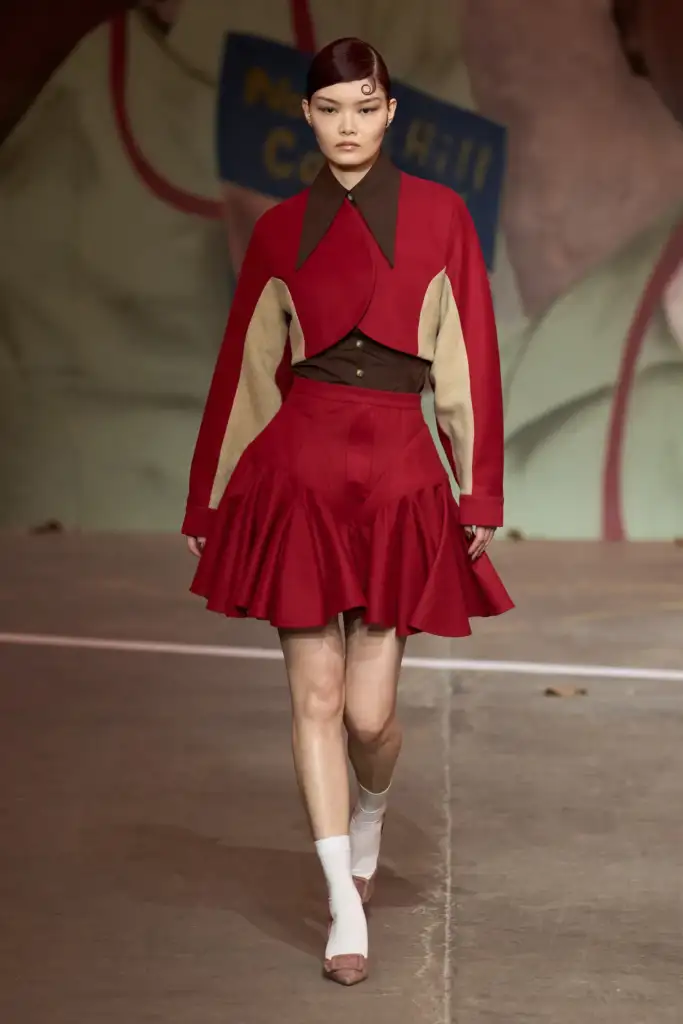
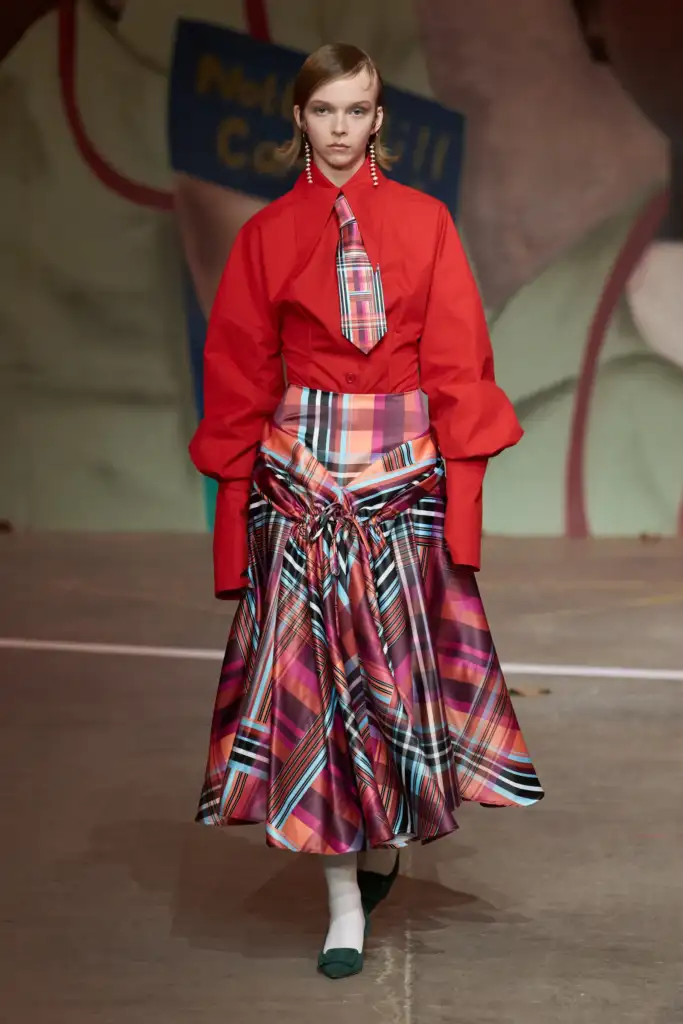
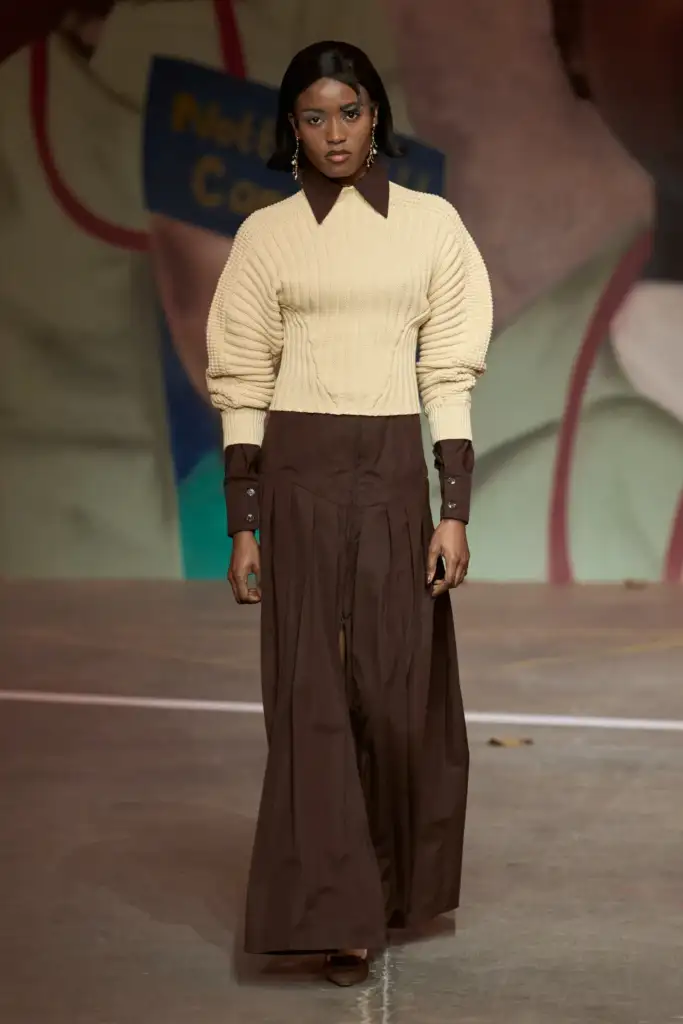
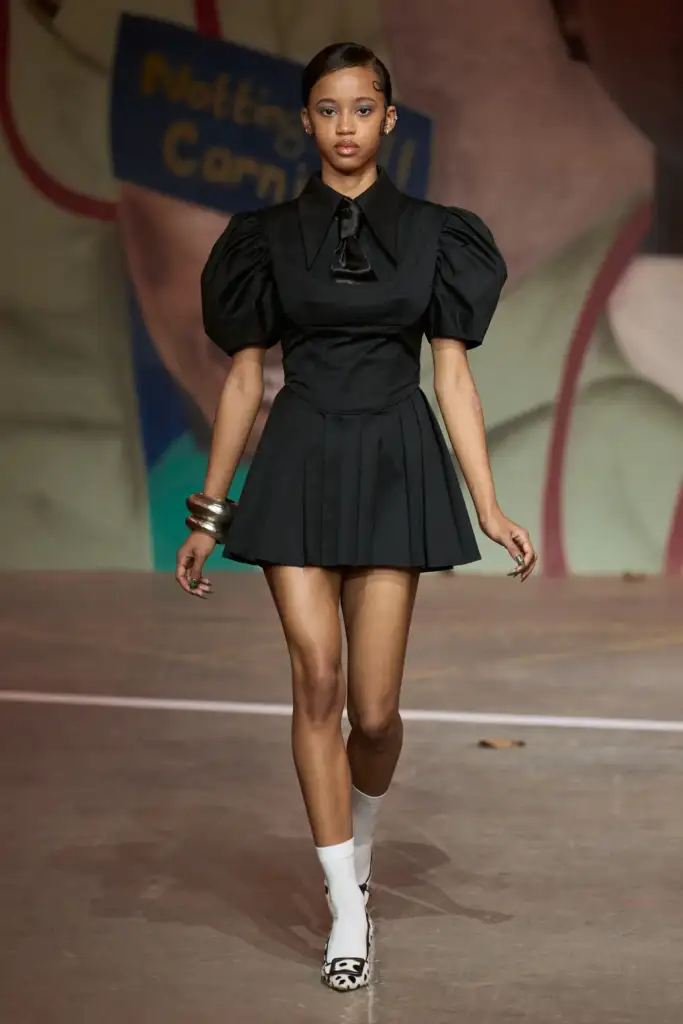
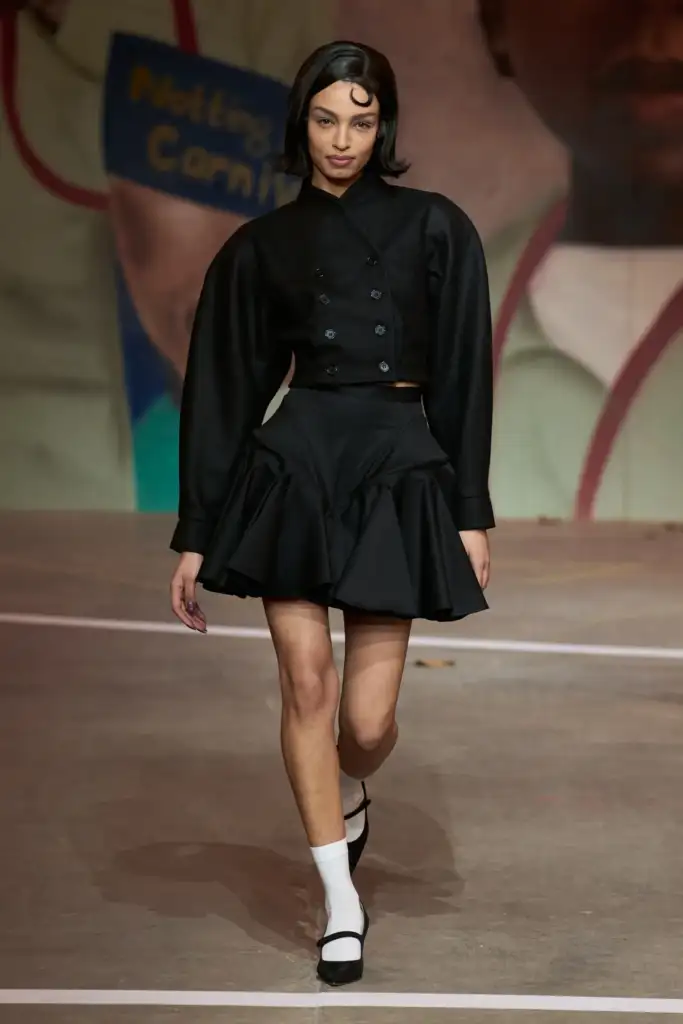
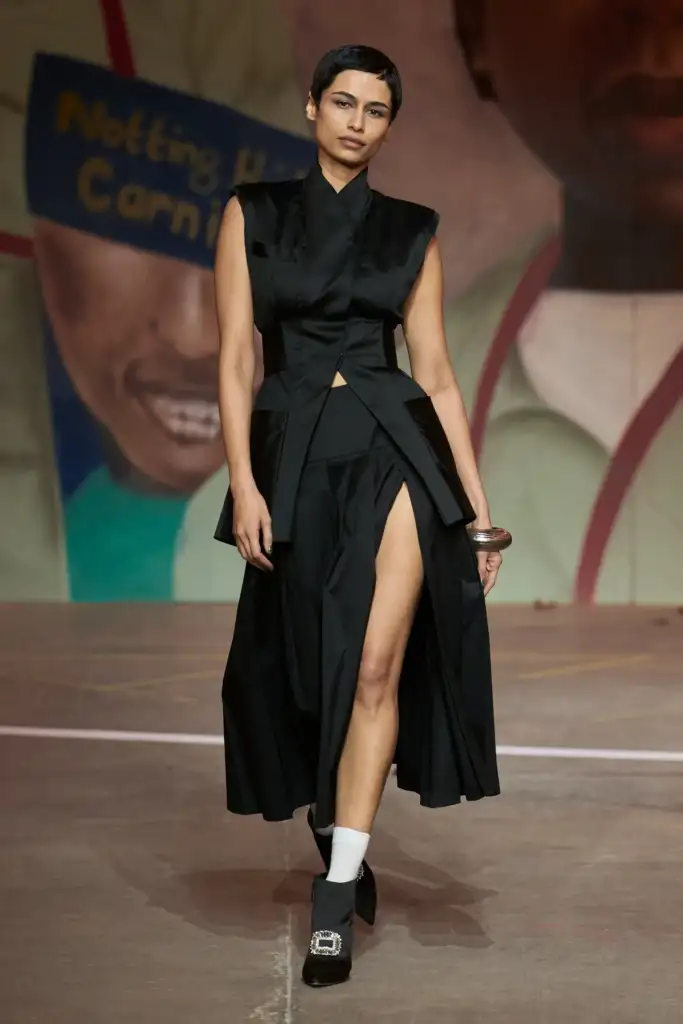
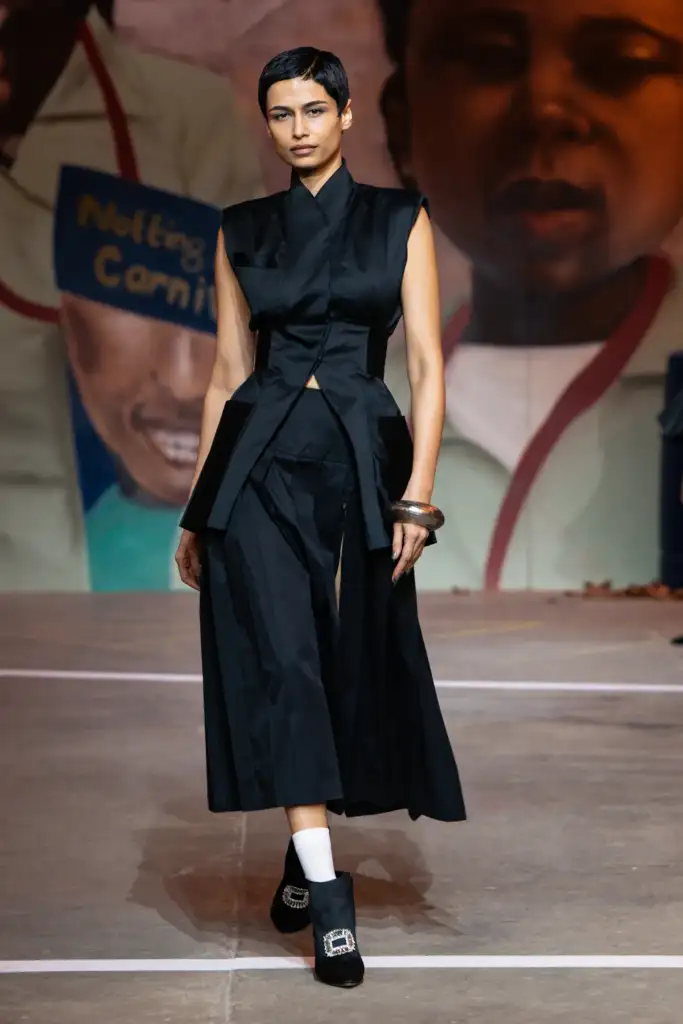
The collection, titled “Survivor’s Remorse,” explored the designer’s upbringing in the 1990s and her identity as a British Nigerian woman. The runway set was a reconstruction of Mozart Street, where she grew up. One of the standouts looks was a bold blue printed plaid mini suit that fused tailoring with her Yoruba cultural roots. She also drew inspiration for the structure and tone from the 1995 cult favorite film Clueless. The result was nostalgic yet deeply personal, merging memory with fashion in a way that felt honest and intentional.
Joseph
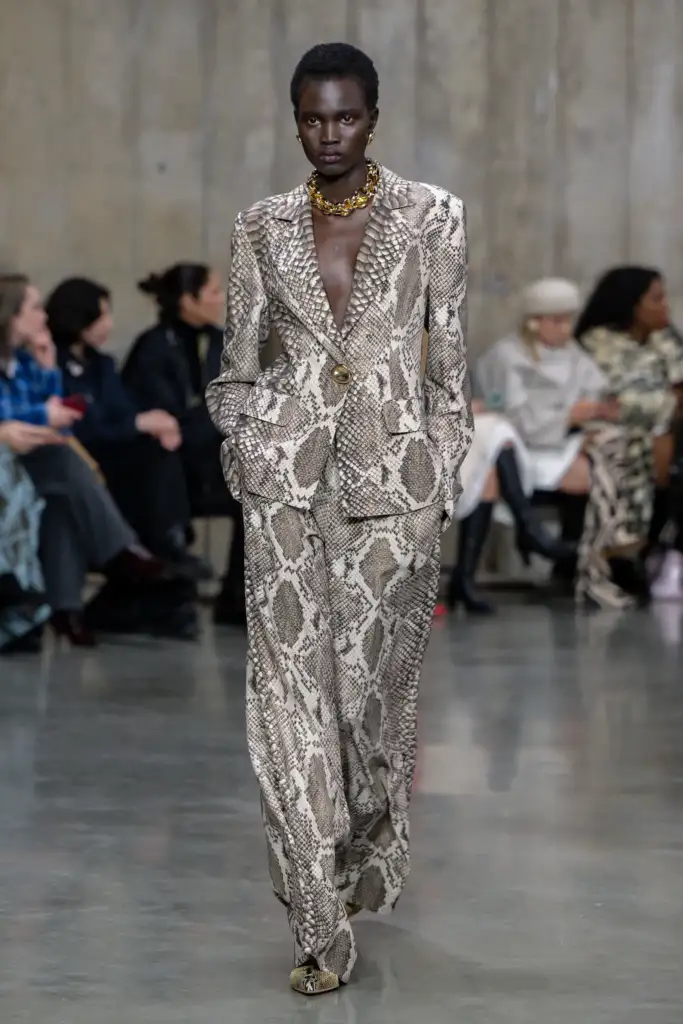
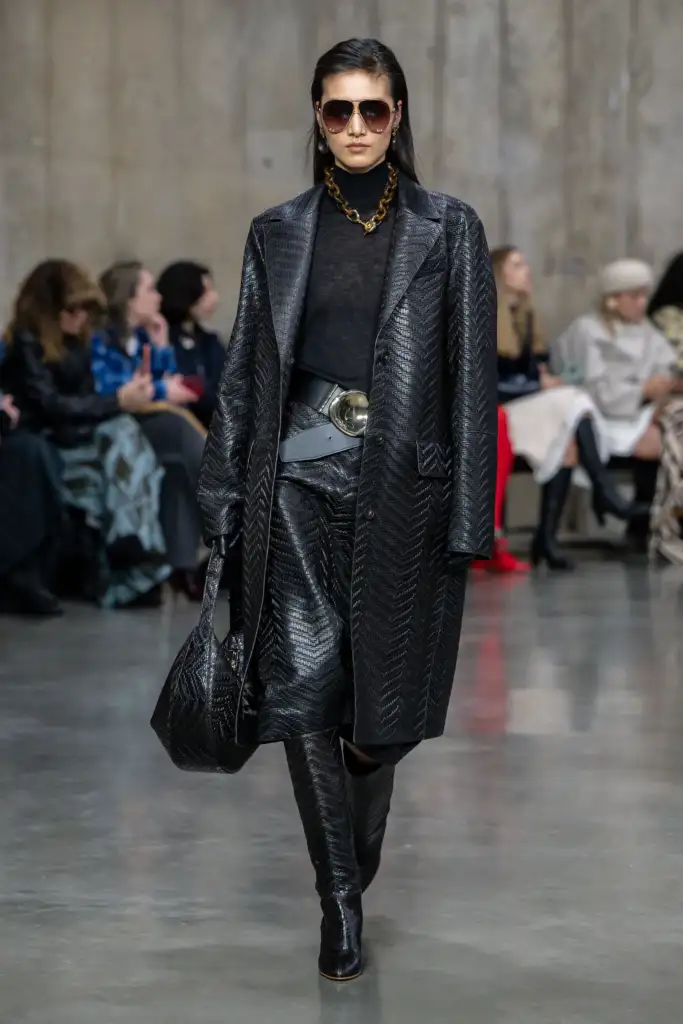
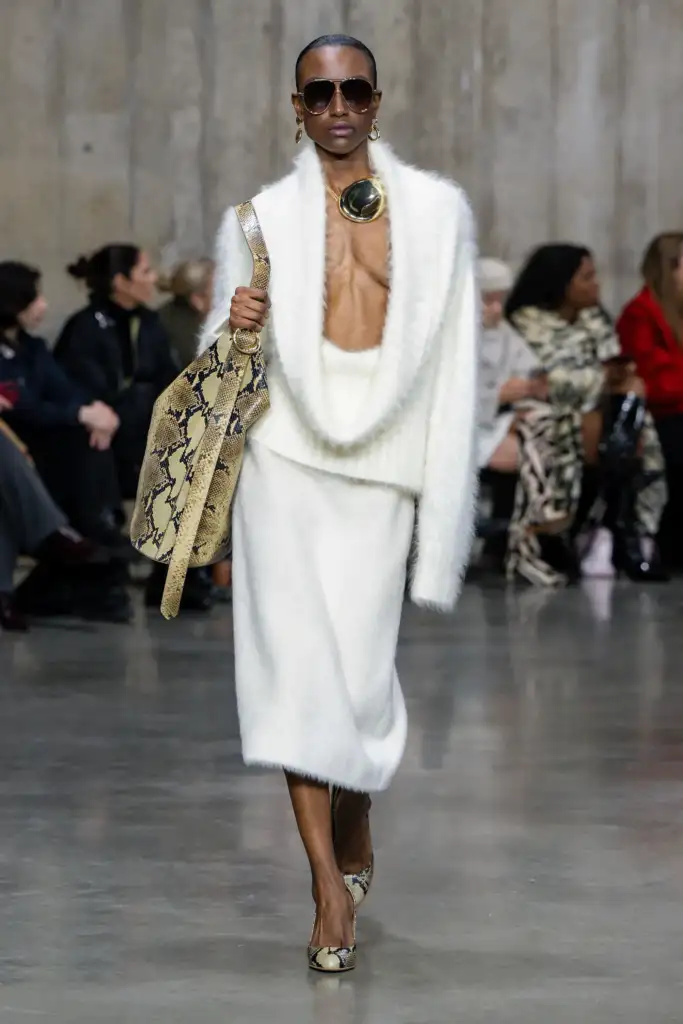
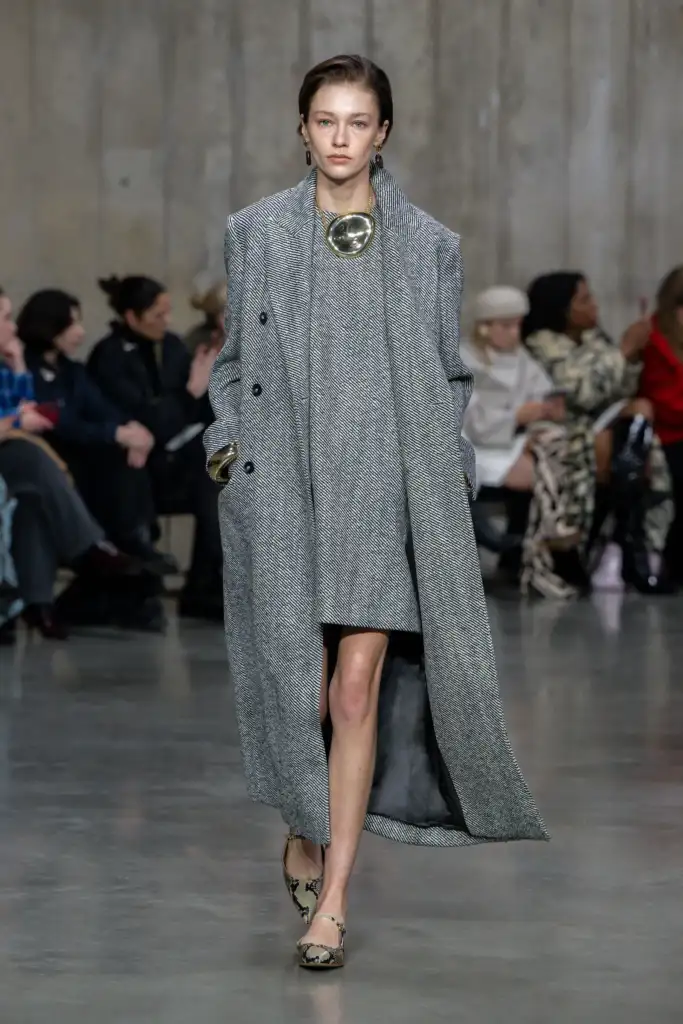
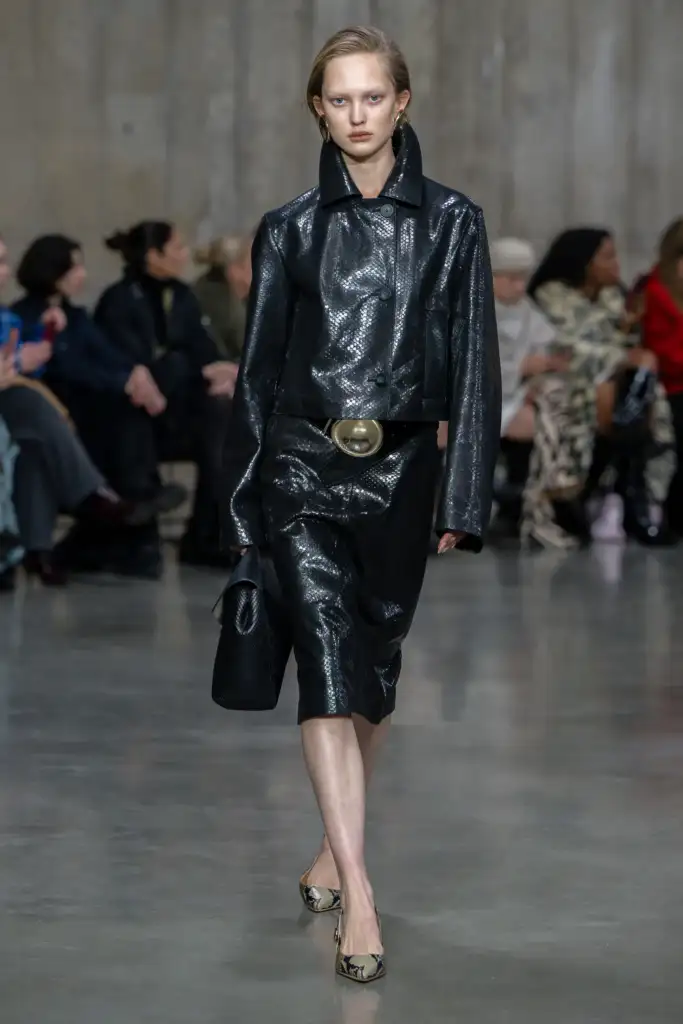
The fashion brand, founded in London by Joseph Ettedgui, returned to the Autumn/Winter 2026 runway after nearly nine years away. This momentum-filled comeback came under the leadership of its creative director. The collection explored themes of sculptural form and structure, working with substantial materials like wool, leather, and intricate 3D embroidery.
It balanced practicality and fluidity, moving between Joseph’s well-known minimalist aesthetic and a renewed focus on timeless wardrobe staples rather than overt theatrics. The collection included ensembles accented with bold accessories, such as wide belts with oversized buckles and large round pendants. The vision of the show blended modern design with Joseph’s heritage of understated luxury and quality essentials. It was undoubtedly one of the standout moments of the week, marking a triumphant return for a heritage house. We hope to see even more from the brand throughout the year.
Simone Rocha
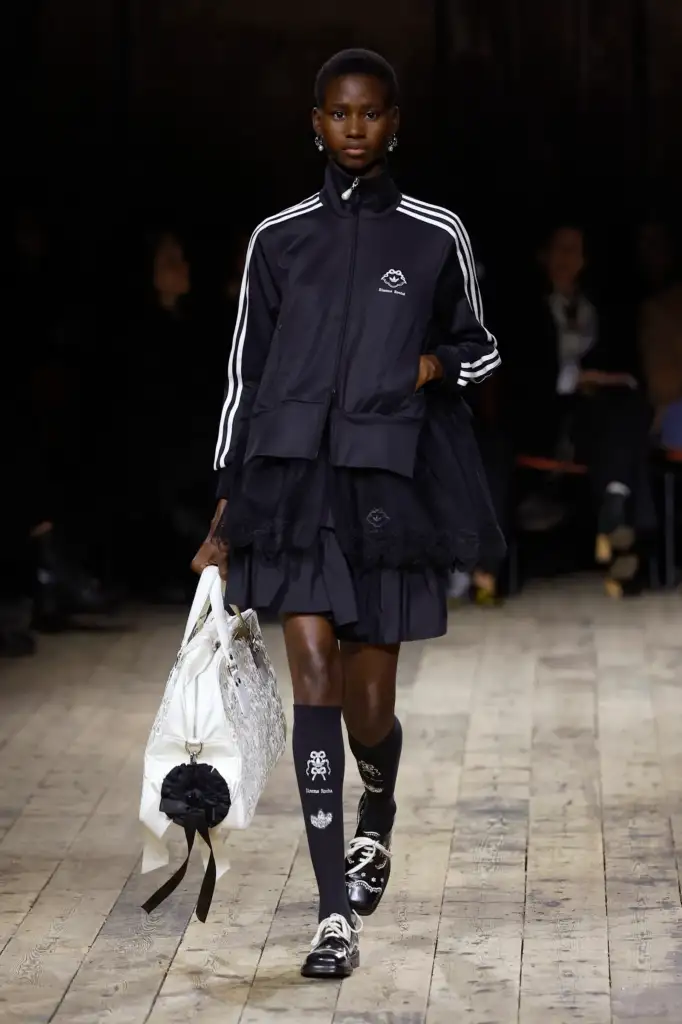
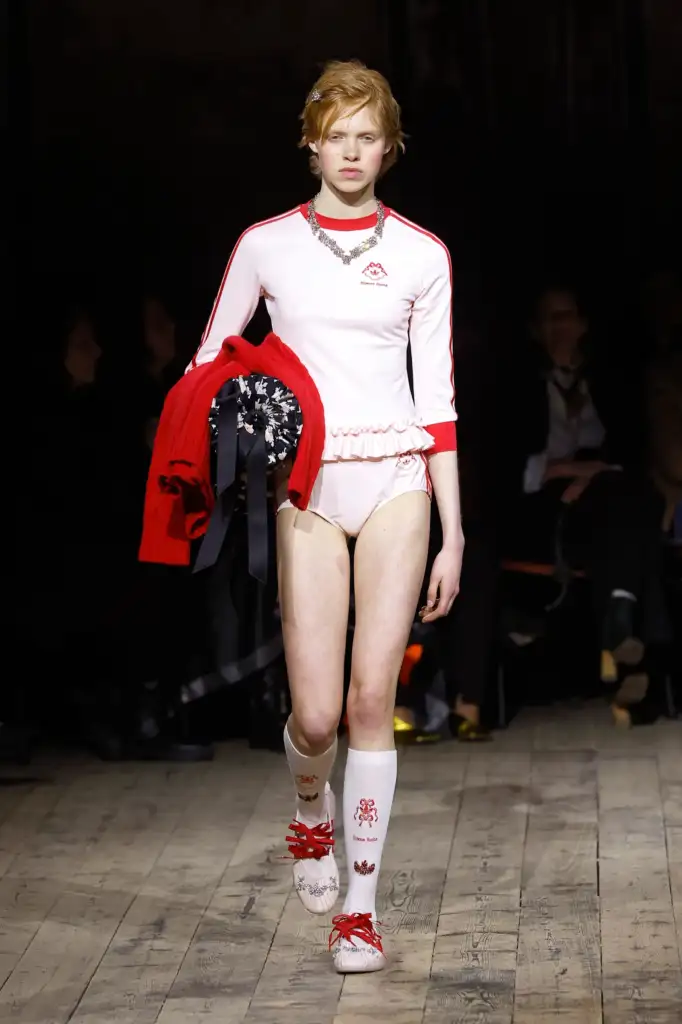
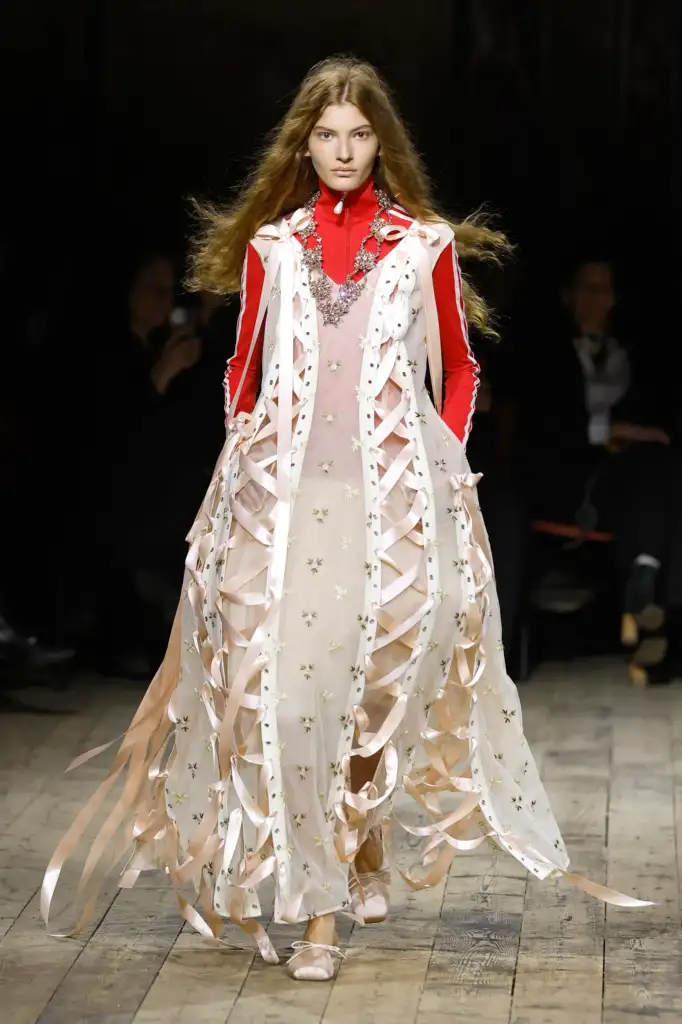
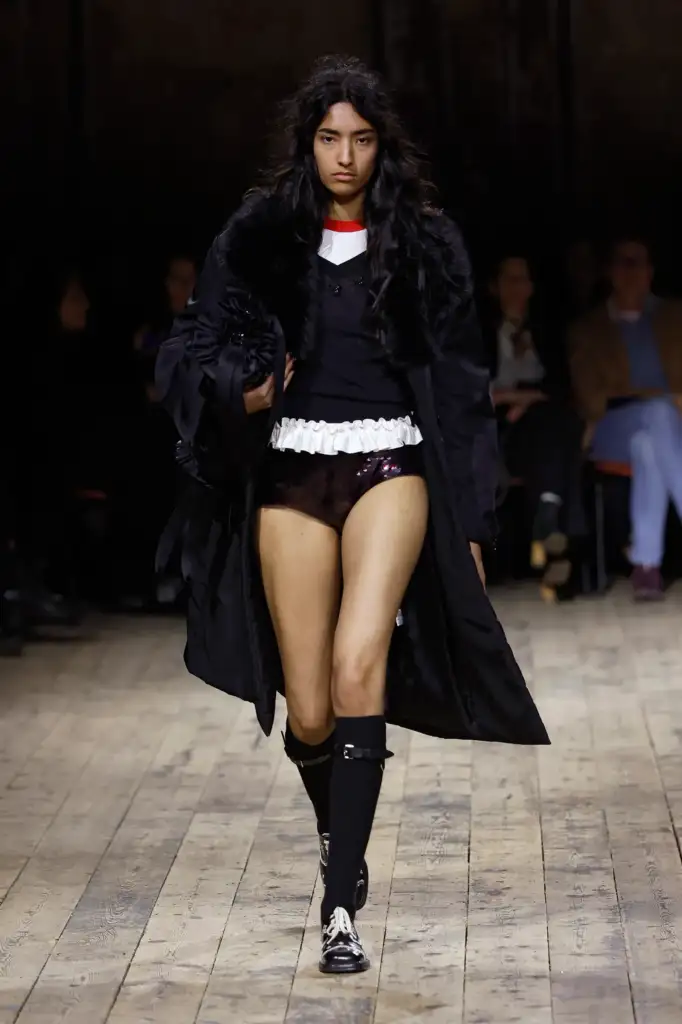
The most fitting description of the collection was romantic meets athletic. There were oversized satin bombers and track jackets that felt fit for a Gallagher brother, paired with knee-high, soccer-player-style socks.
For Autumn/Winter, the designer collaborated with Adidas Originals. The clothing drew inspiration from the 1990s television series Pony Kids, which depicted working-class Irish youth equestrians dressed in the sport-inflected casual staples of that era.
The collection still retained the coquettish touches the brand is known for. It was a masterful juxtaposition: lace boilersuits, frills layered onto tracksuits, and sporty socks embellished with trefoil logos. In her show notes, Rocha wrote that she was inspired by clothes that were “loved and lived in.” The display on the runway reflected that sentiment beautifully, blending nostalgia, romance, and sportswear into something entirely her own.
ERDEM
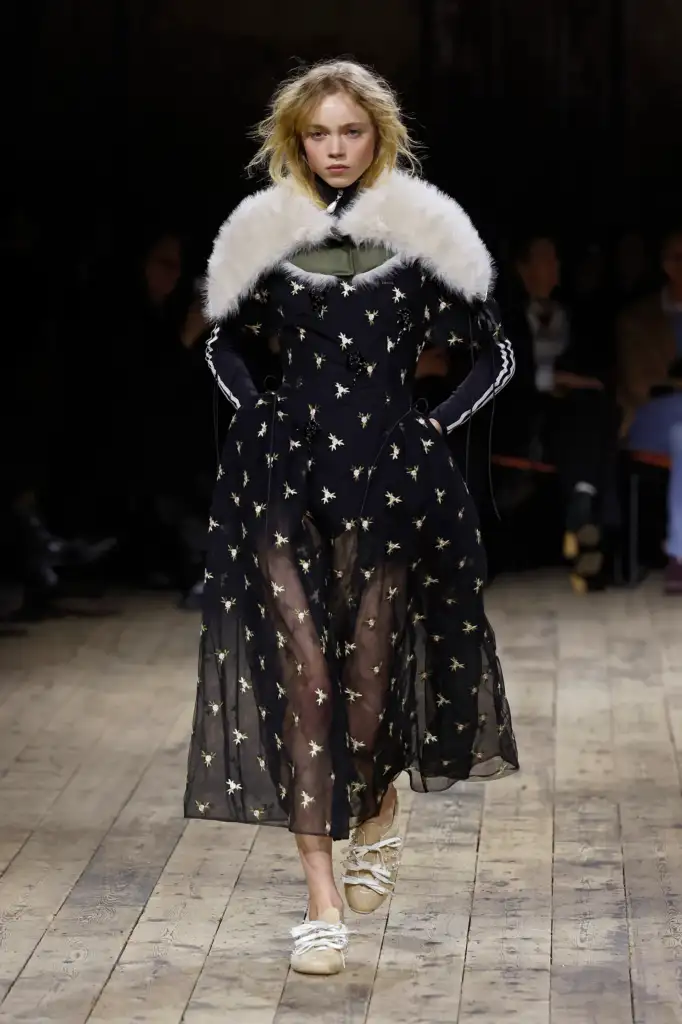
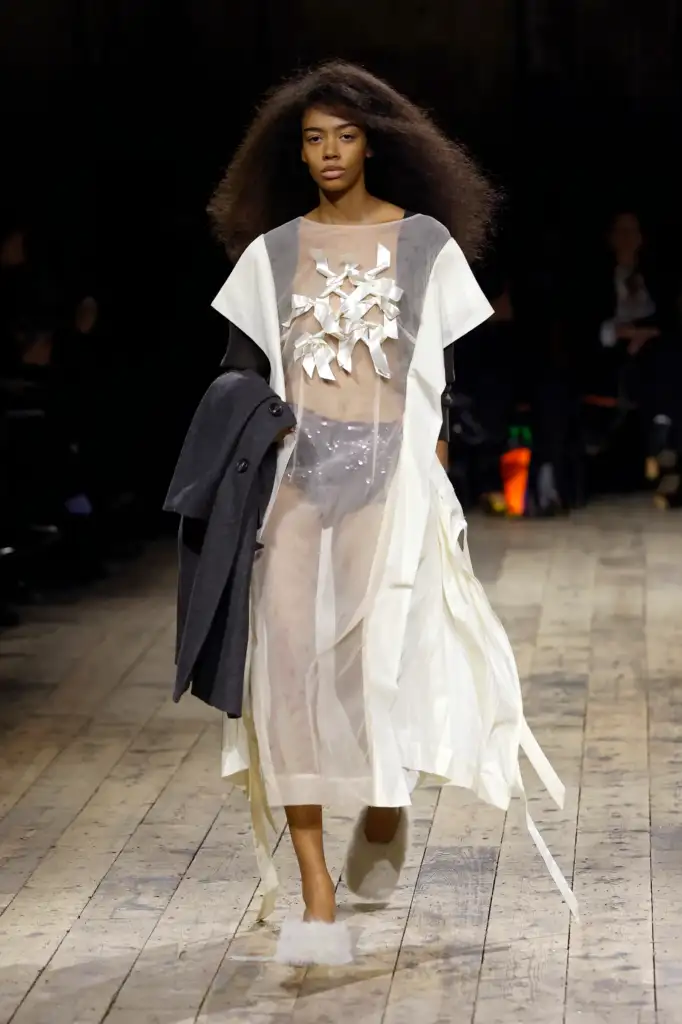
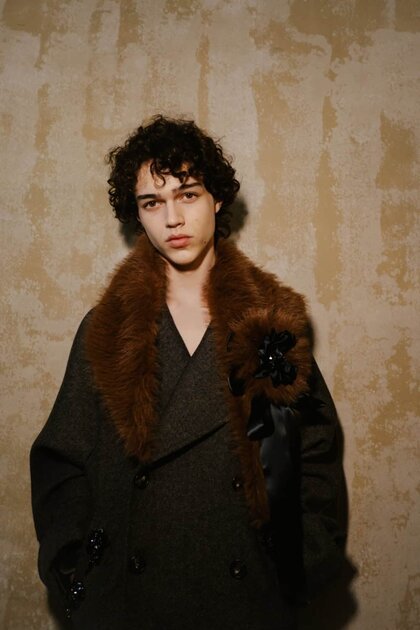
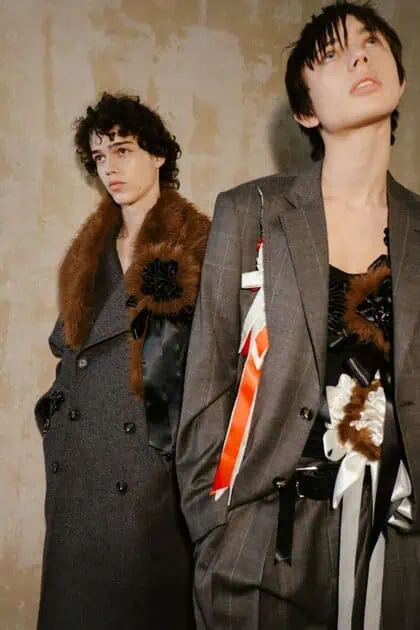
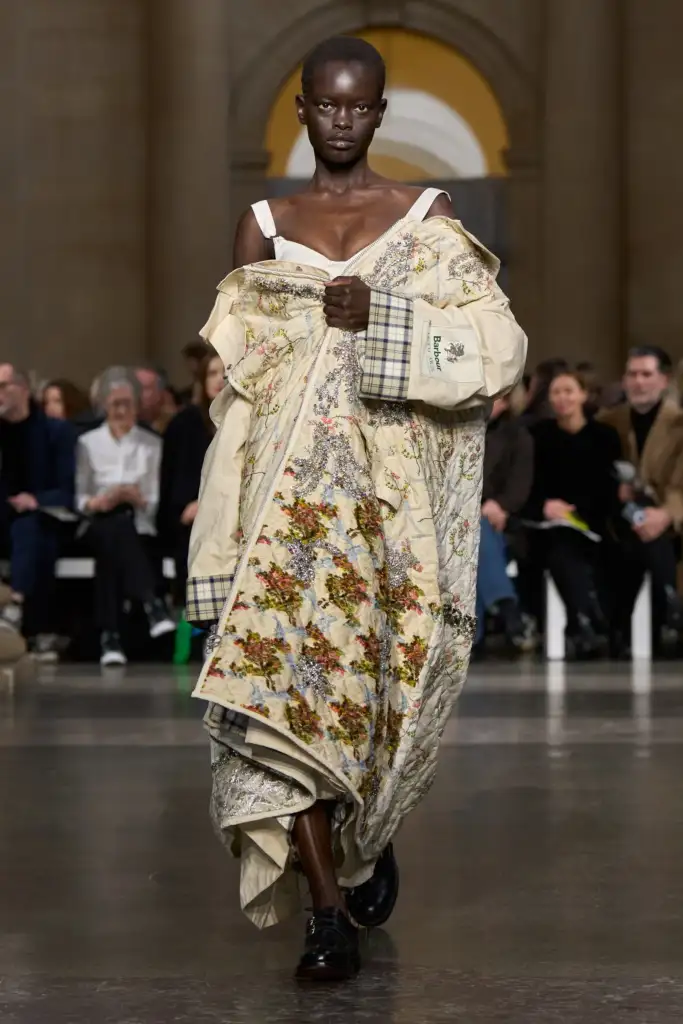
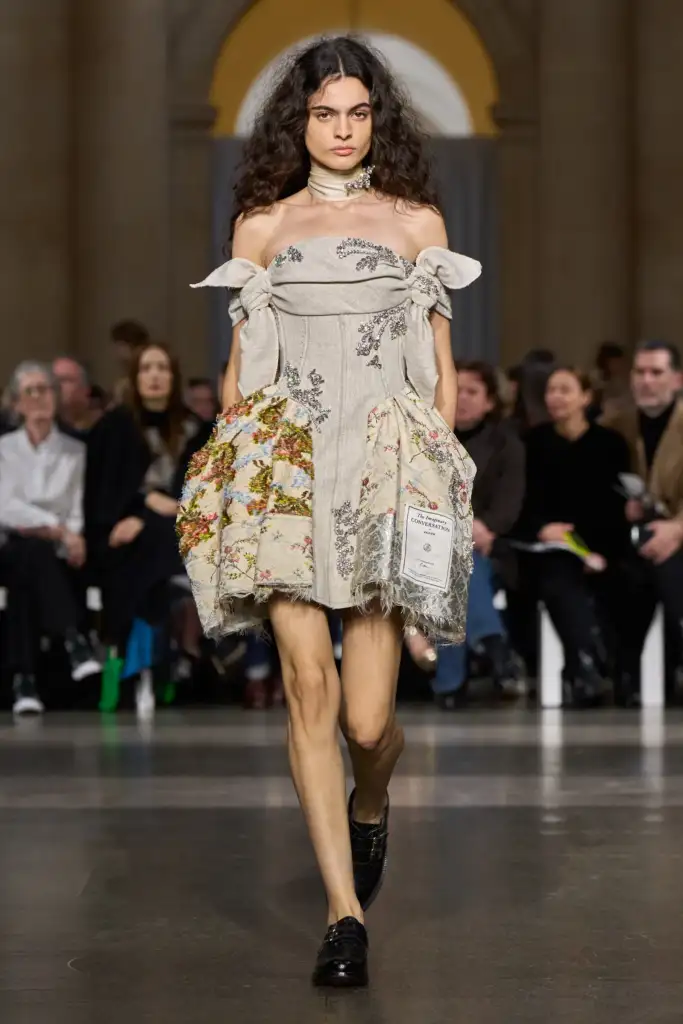
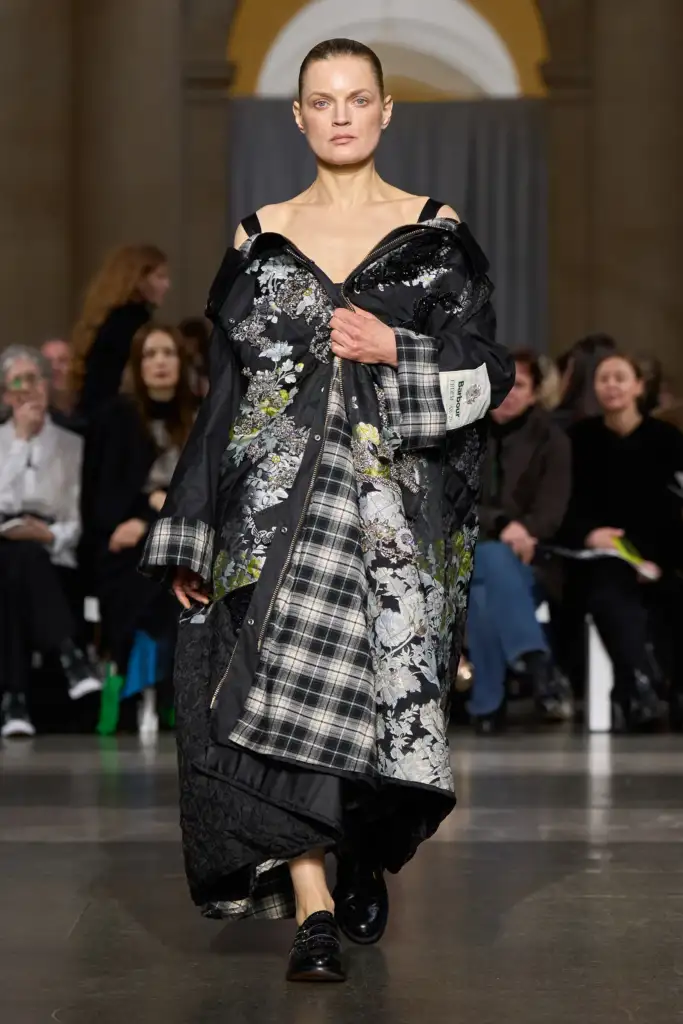
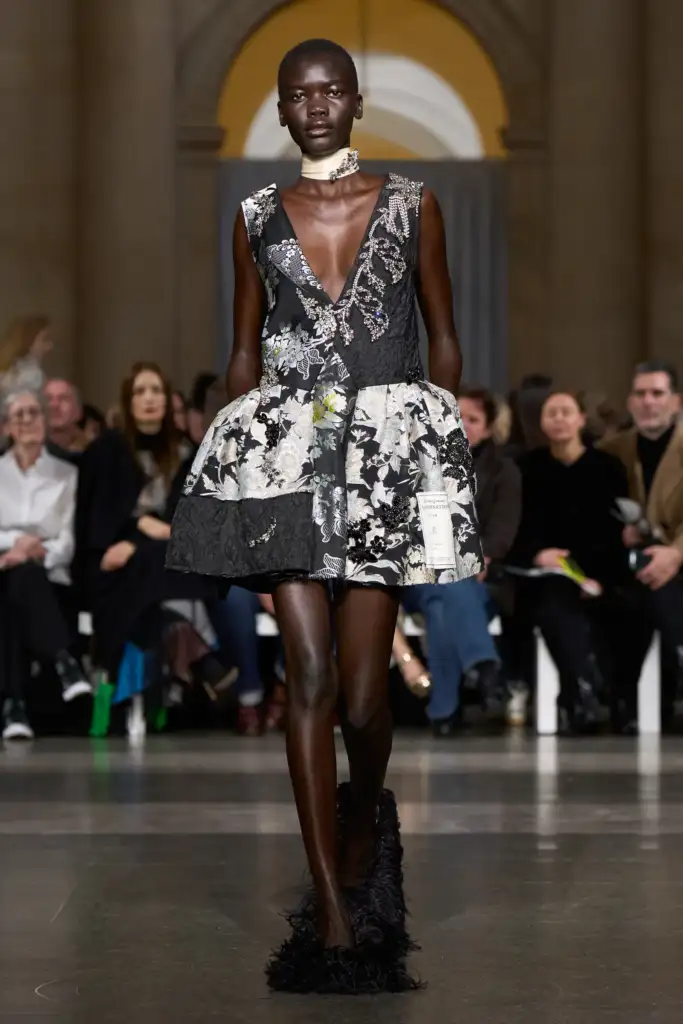
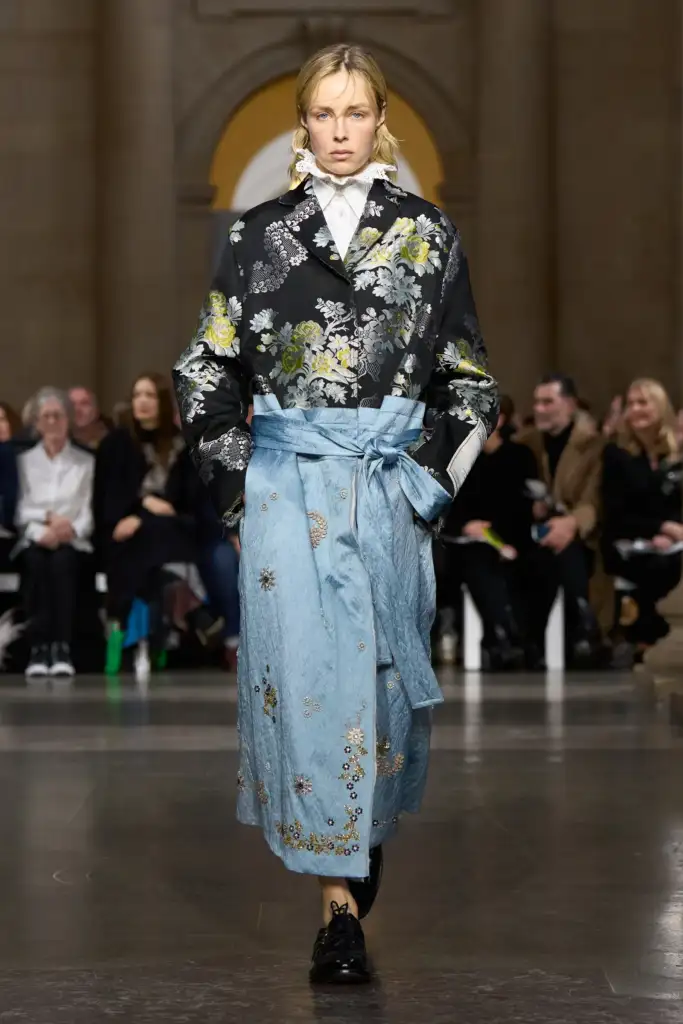
Marking its 20th anniversary, the brand reflected on its humble beginnings with a collection centered on “The Imaginary Conversation.” That phrase became the core message of the show. The runway was filled with romantic, floral-infused pieces and layered textures. It featured silhouettes with pannier-style skirts and tweed, grounding the collection in British tradition while styling it with unmistakable theatricality.
The collection went into the archives taking the motifs and fabrics reconstructed them into pieces that modern, while conveying the message of the fashion house origin dream.
Richard Quinn
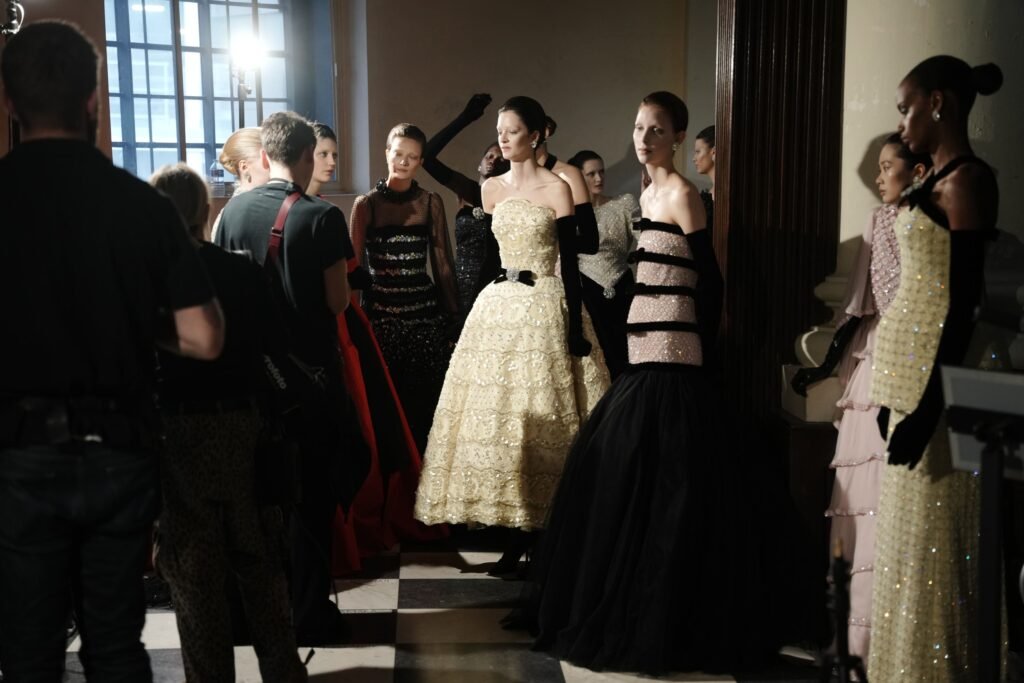
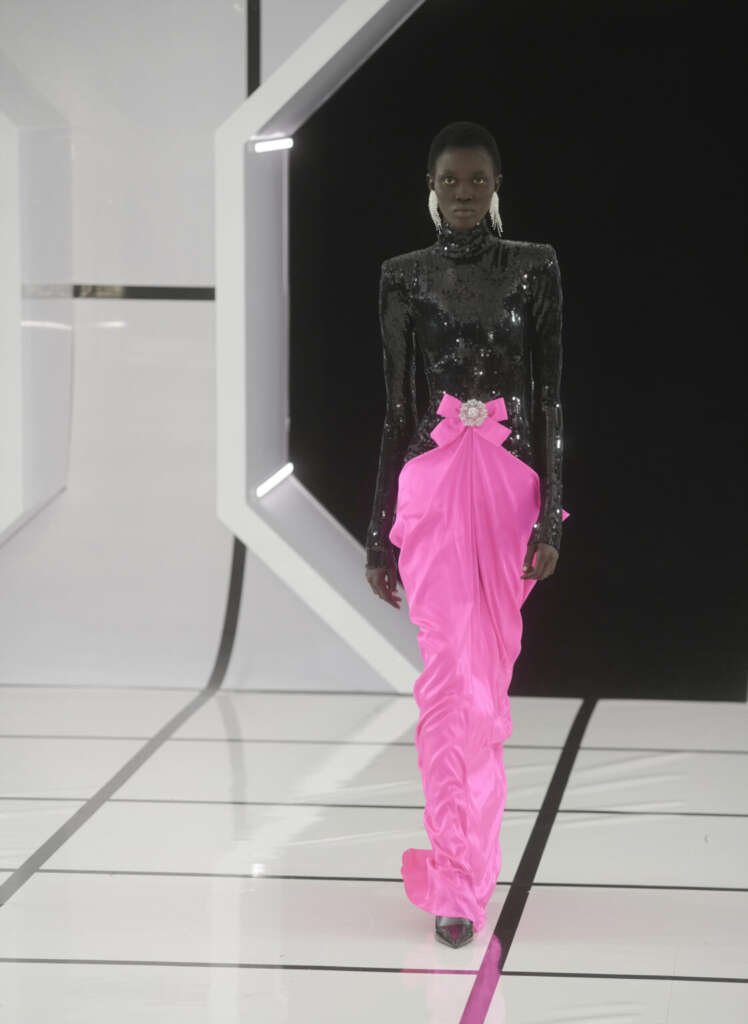
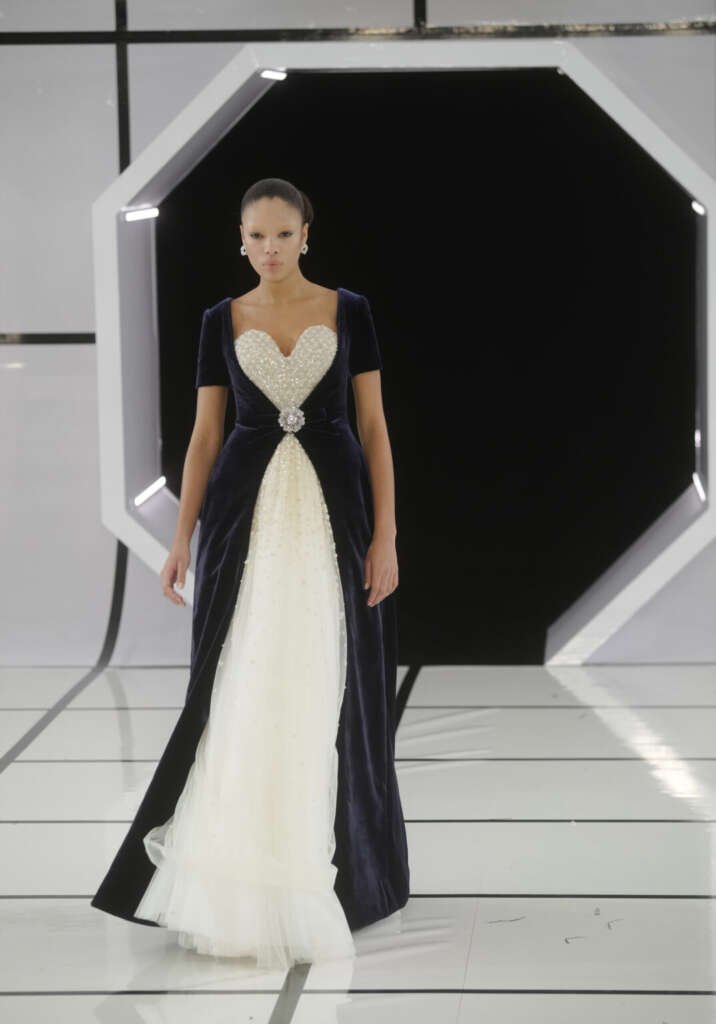
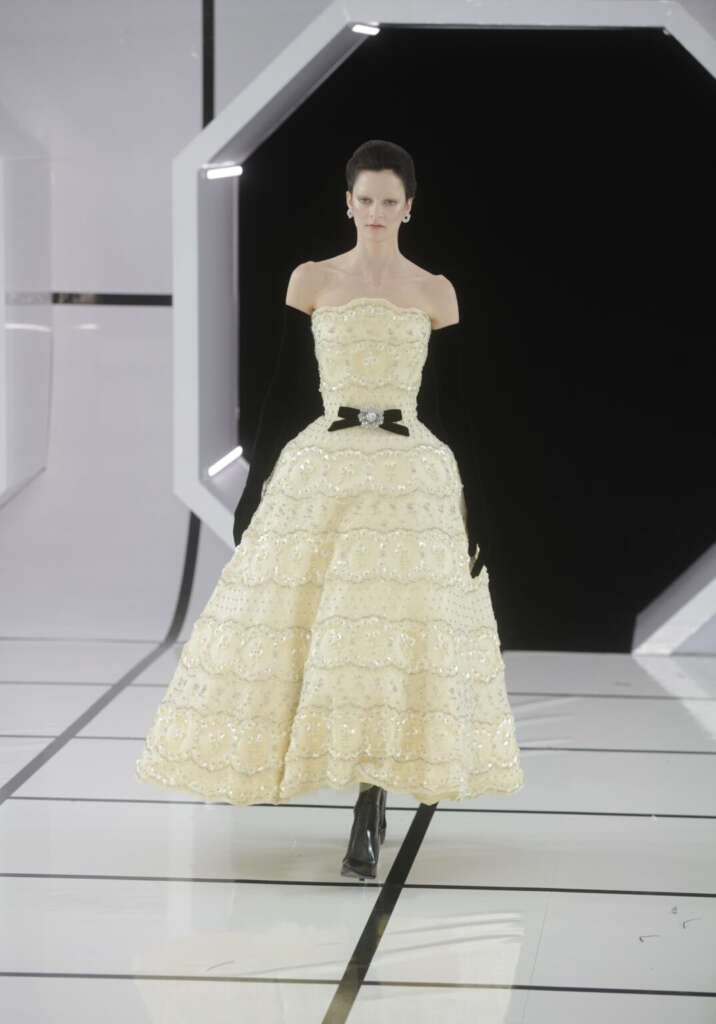
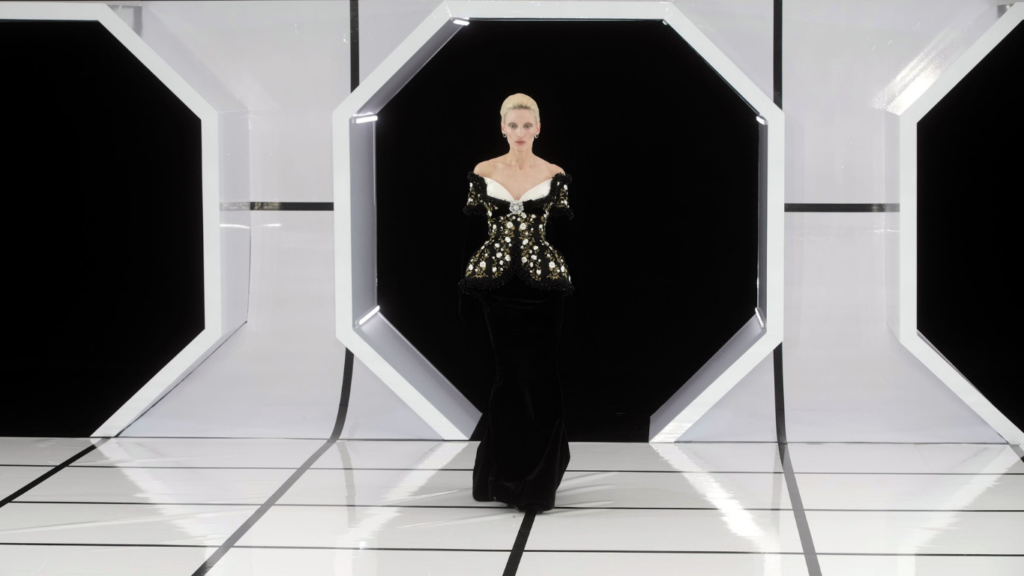
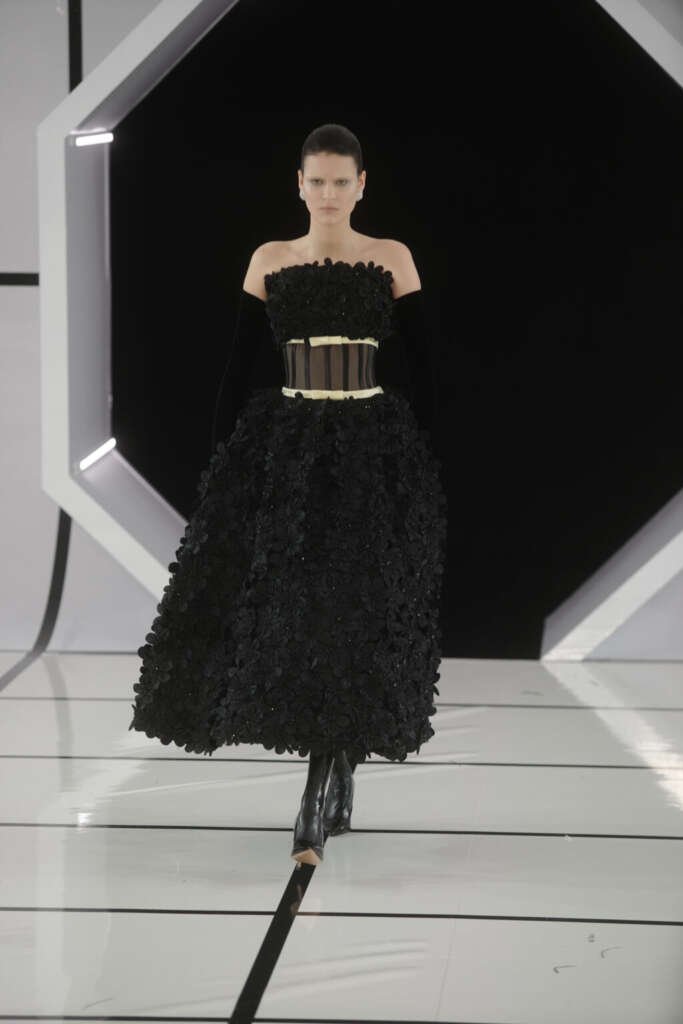
The collection reaffirmed his reputation for opulence, statement-making eveningwear, and a strong preference for dramatic structure. The show took place at Sinfonia Smith Square Hall and carried the theme “Reimagining Opera Night.” The silhouettes were sculpted through structured corsetry, peplums, and sharply defined waistlines.
What sets Quinn apart is his commitment to grandeur. While many designers leaned toward casual styling suited for everyday mundane experiences, his gowns were visually striking and unapologetically glamorous. These designs were created for life’s grandest moments, each look steeped in a sense of occasion and theatrical elegance. The reference to opera was clear in the mood and presentation, reinforcing his place as one of London’s boldest designers.
Chet Lo
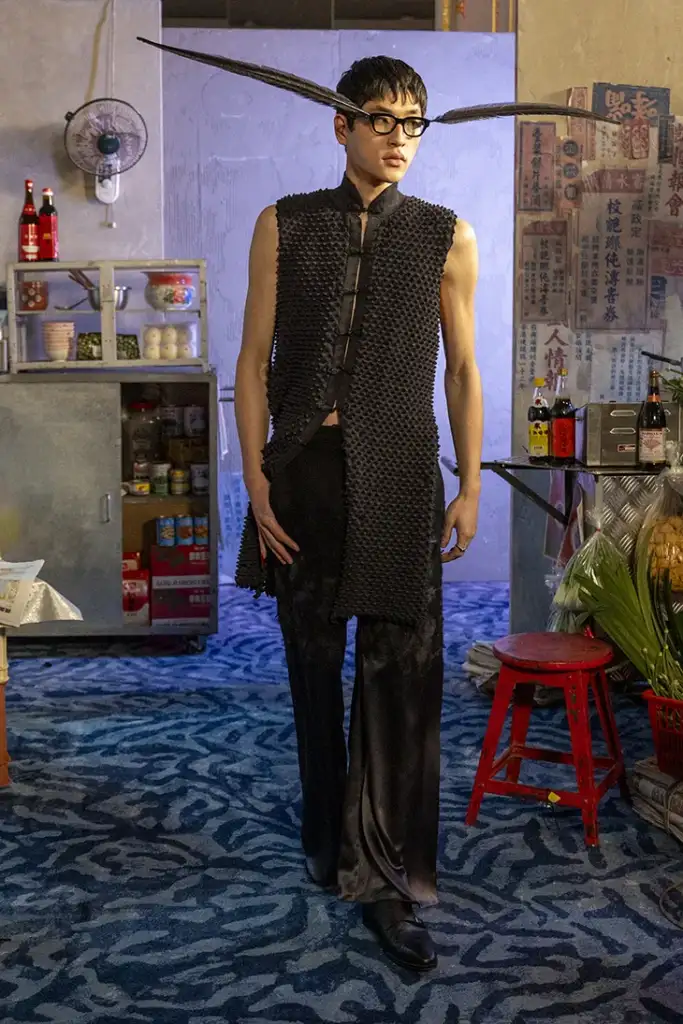
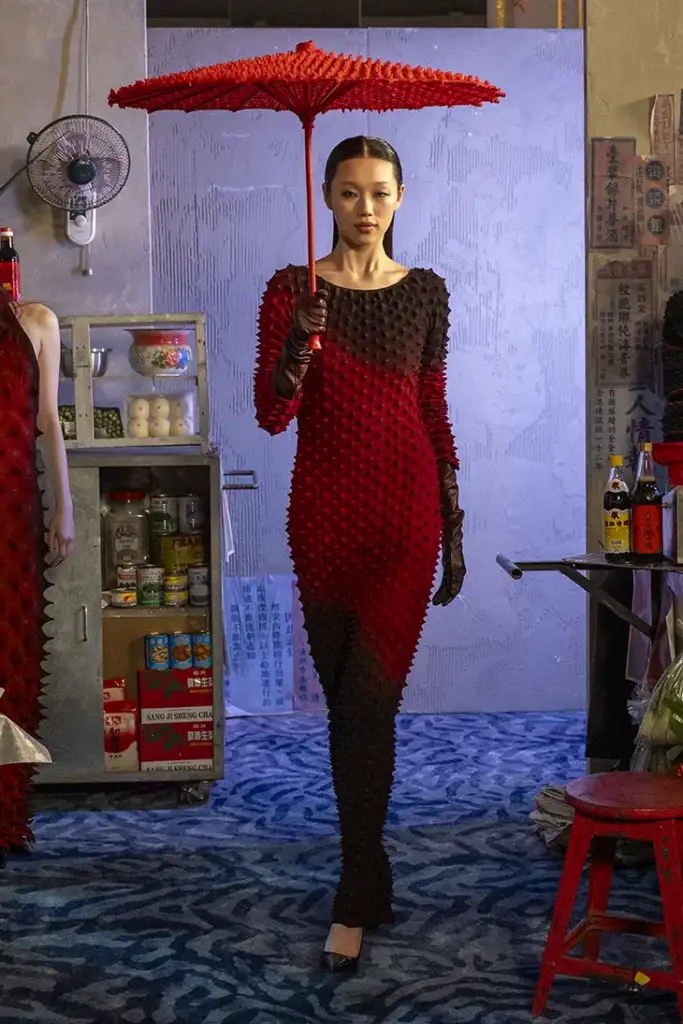
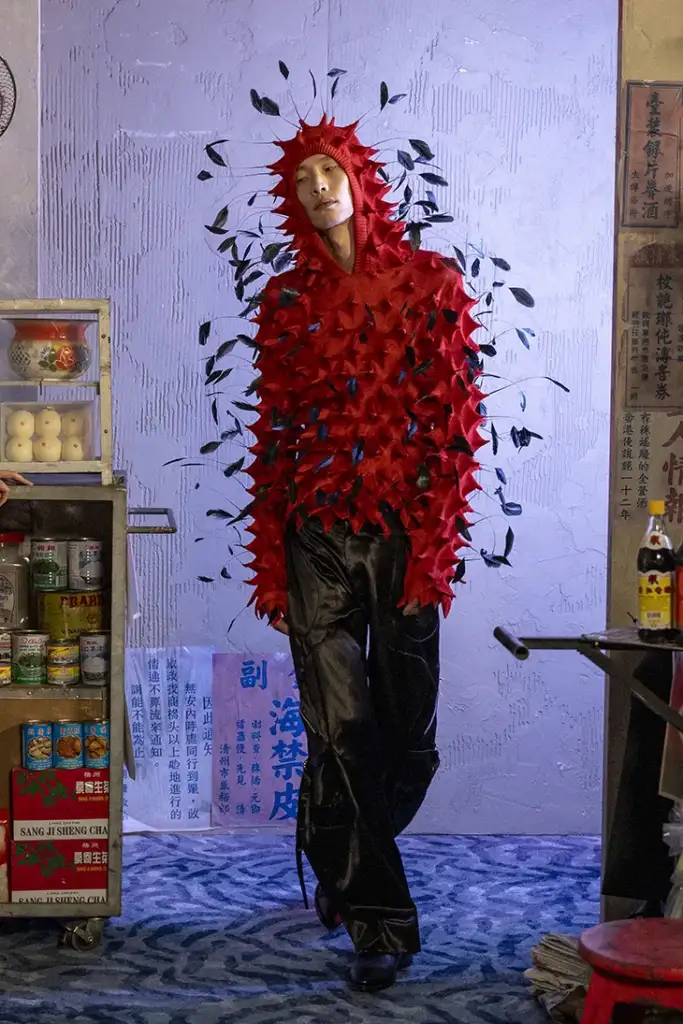
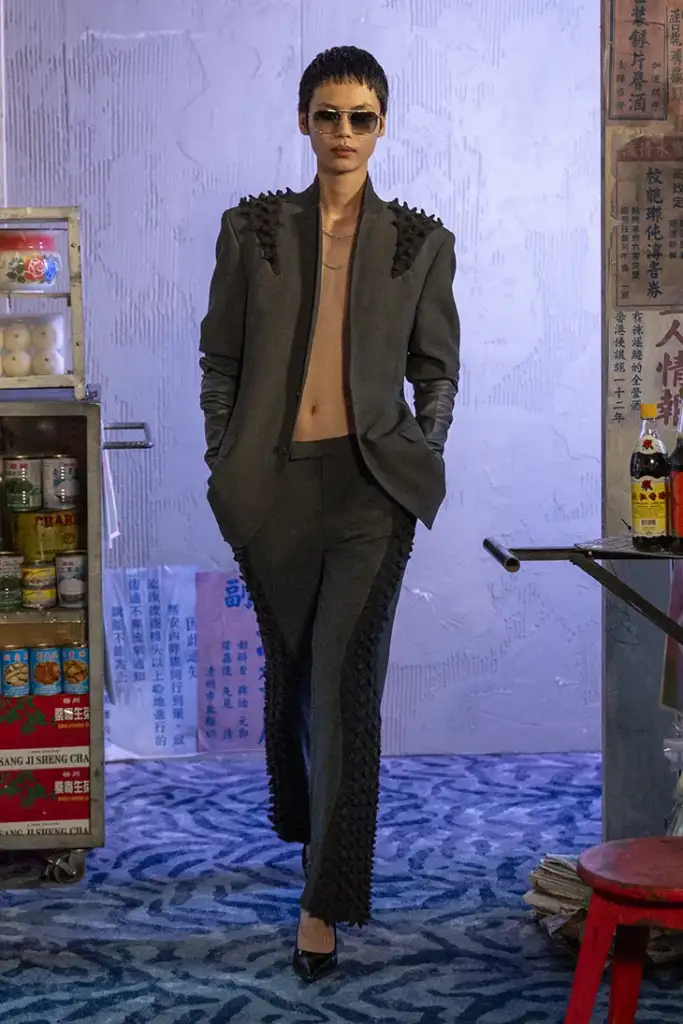
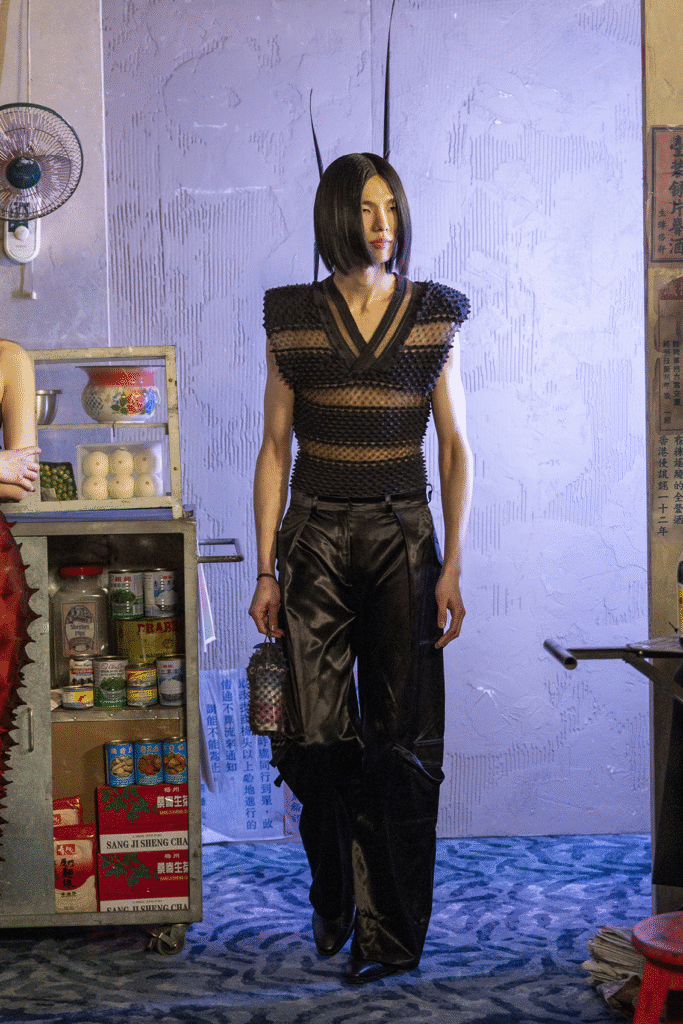
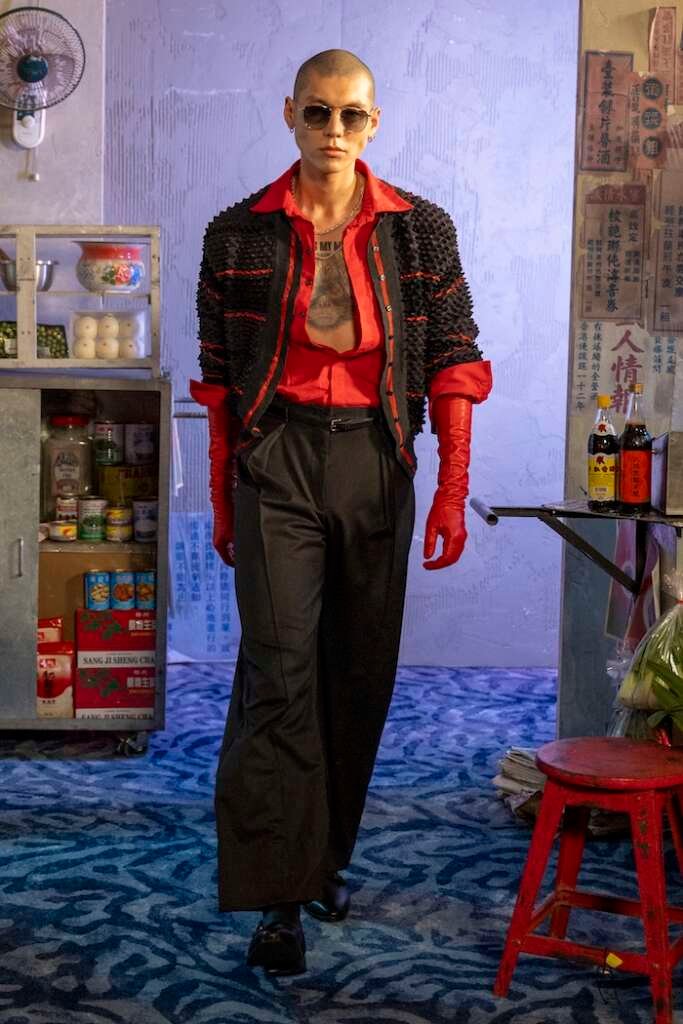
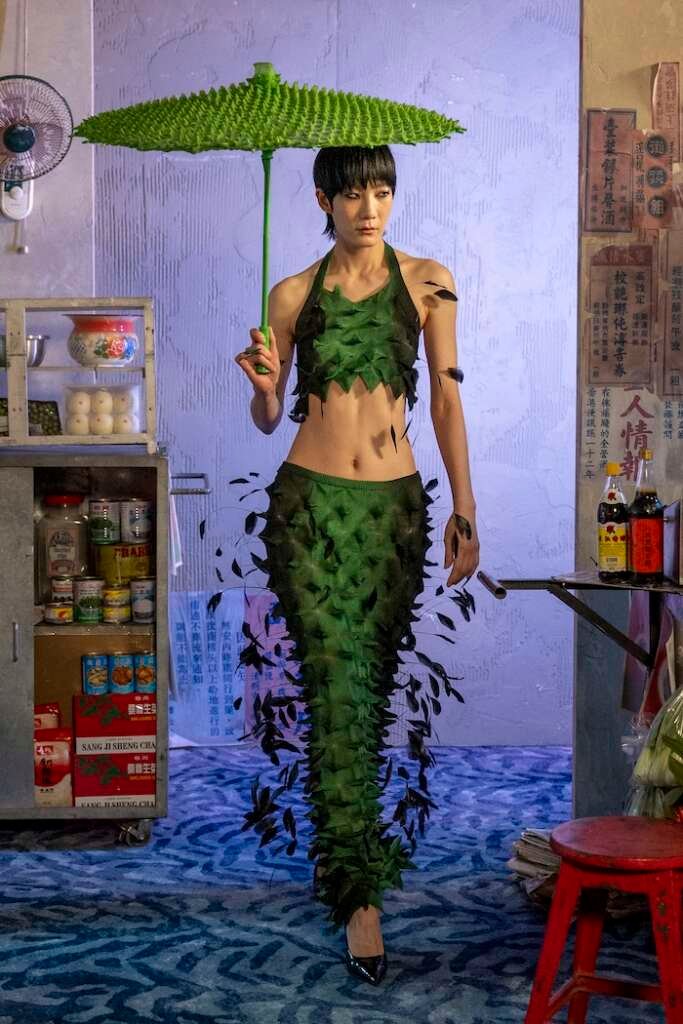
For his standout show, he recreated a night market inspired by the bustling city of Hong Kong. Attendees were immersed in a detailed setting complete with street carts, food stalls, steam rising from cooking stations, and even menu-style look books distributed to guests. It felt less like a traditional runway and more like stepping into a living cultural scene.
Within the collection, his work bridged street culture and runway fashion. There was a deliberate play with unconventional materials and dramatic silhouettes. He incorporated ostrich feathers and sculptural elements into garments, adding dimension and movement. Beyond showcasing couture-level drama, the fashion house donated profits generated from the show to the Asian People’s Disability Alliance, which provides aid to elderly, disabled, and isolated individuals. It stood as a compelling celebration of heritage, community, and creativity at Fashion Week.
Burberry
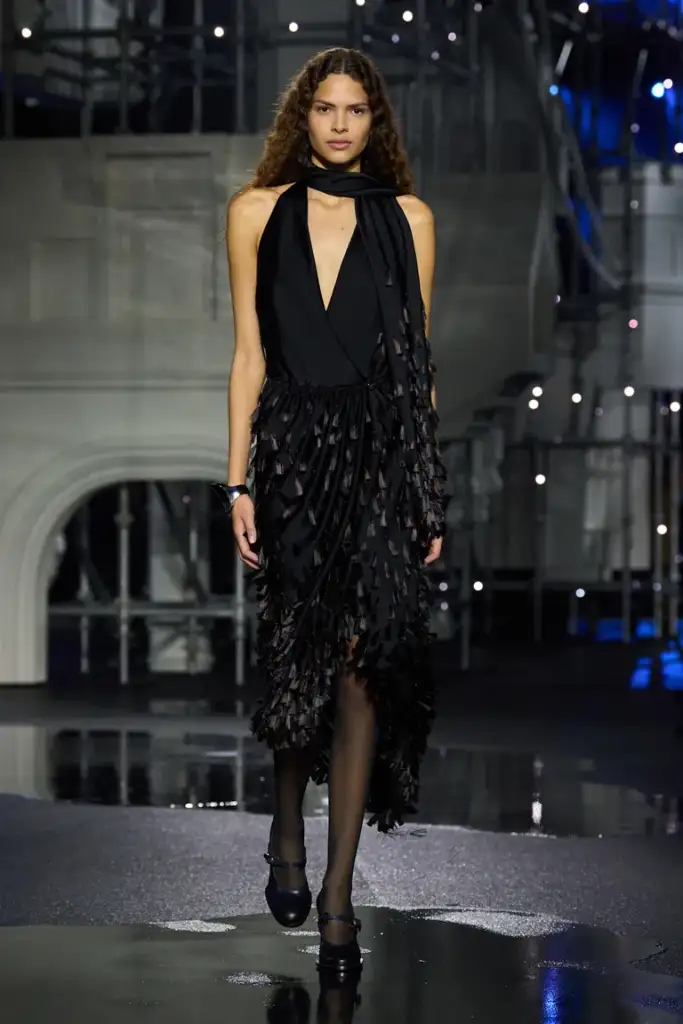
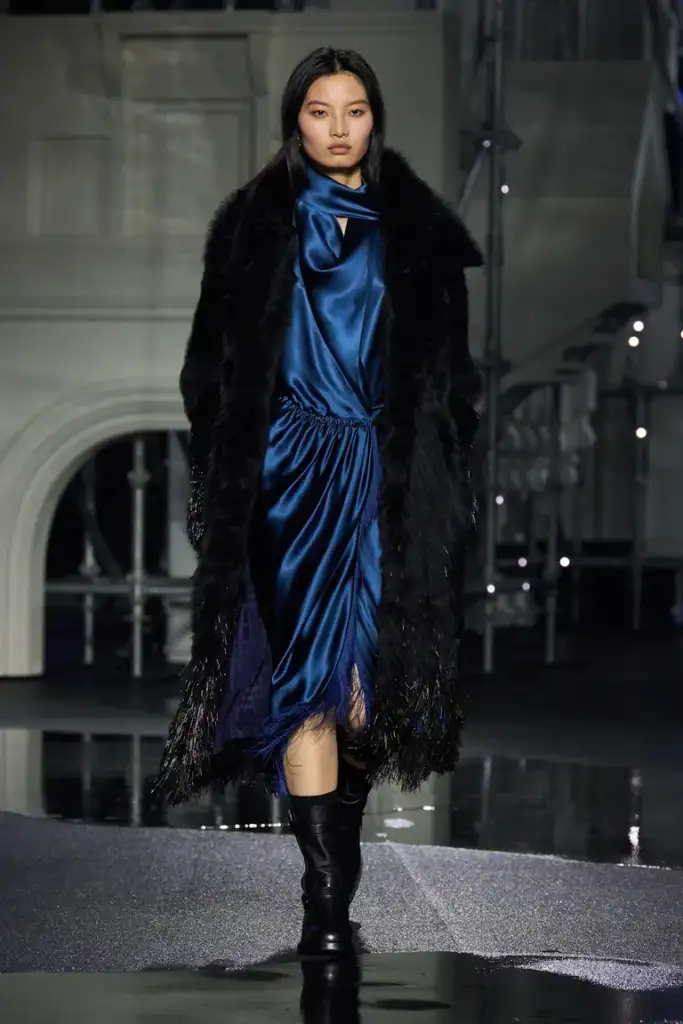
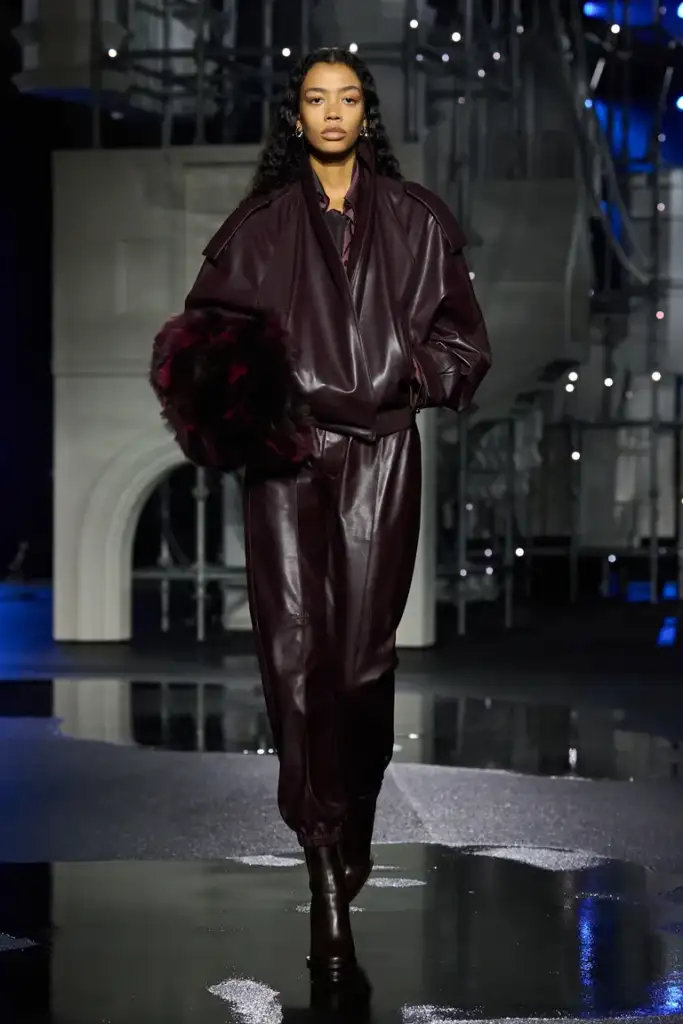
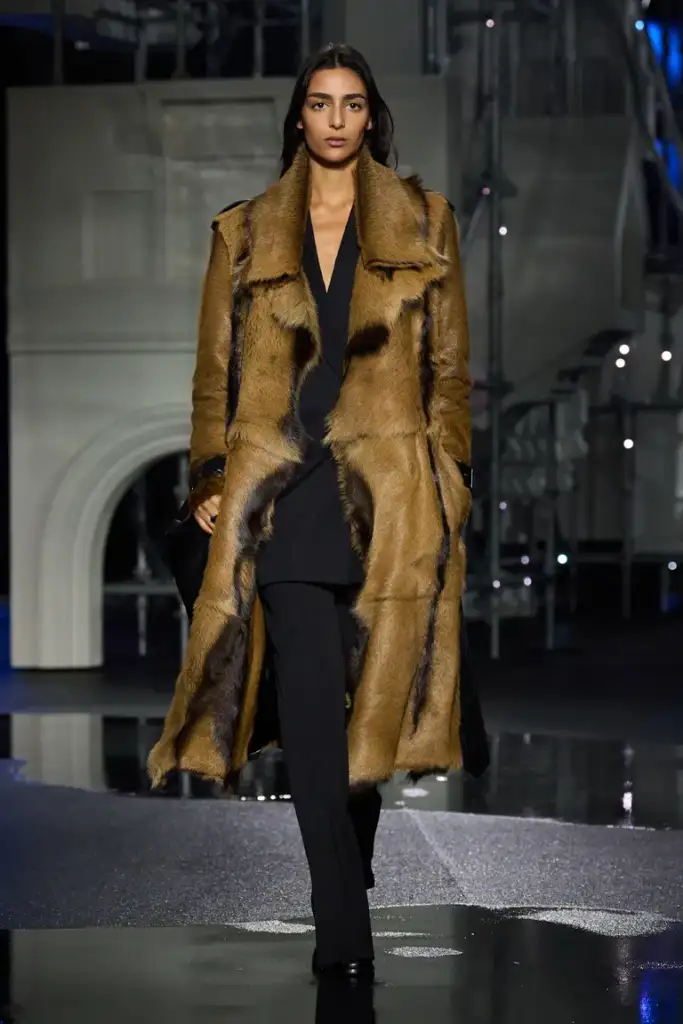
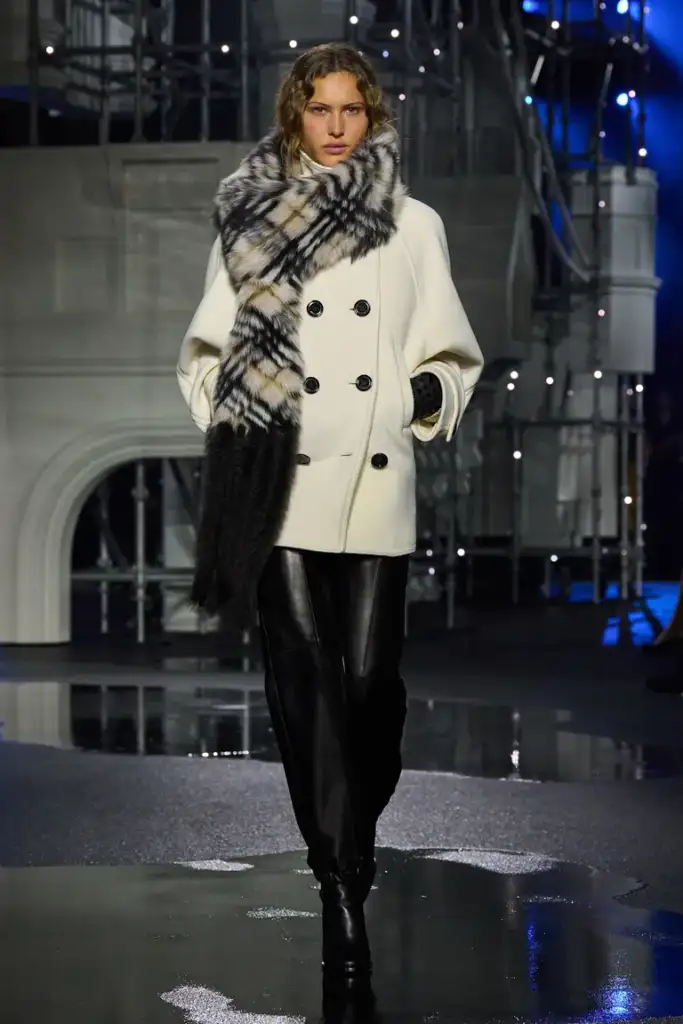
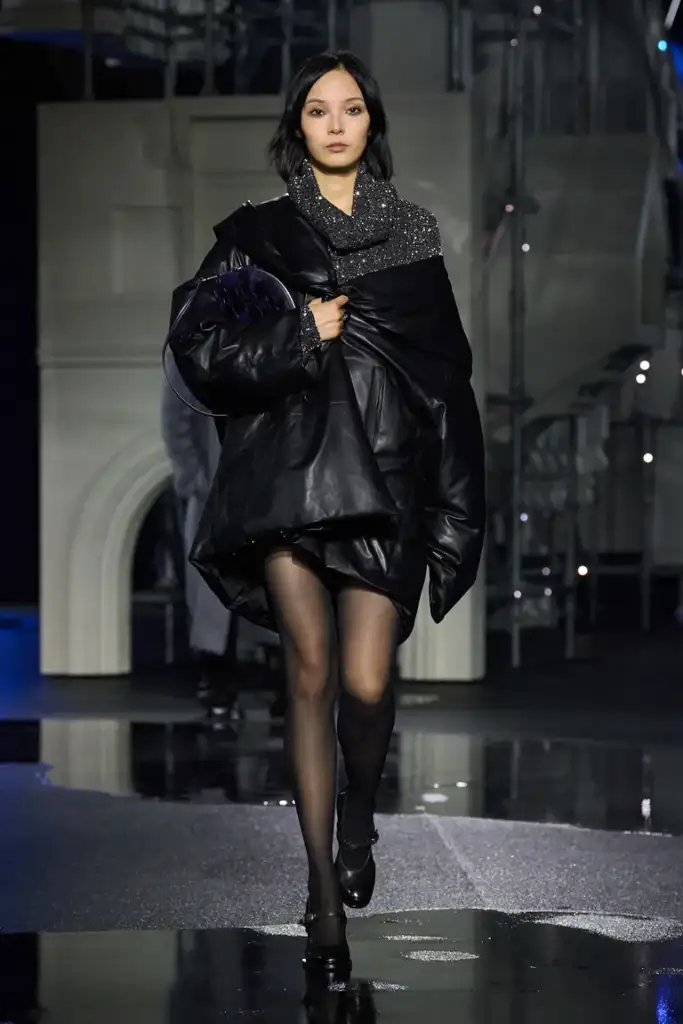
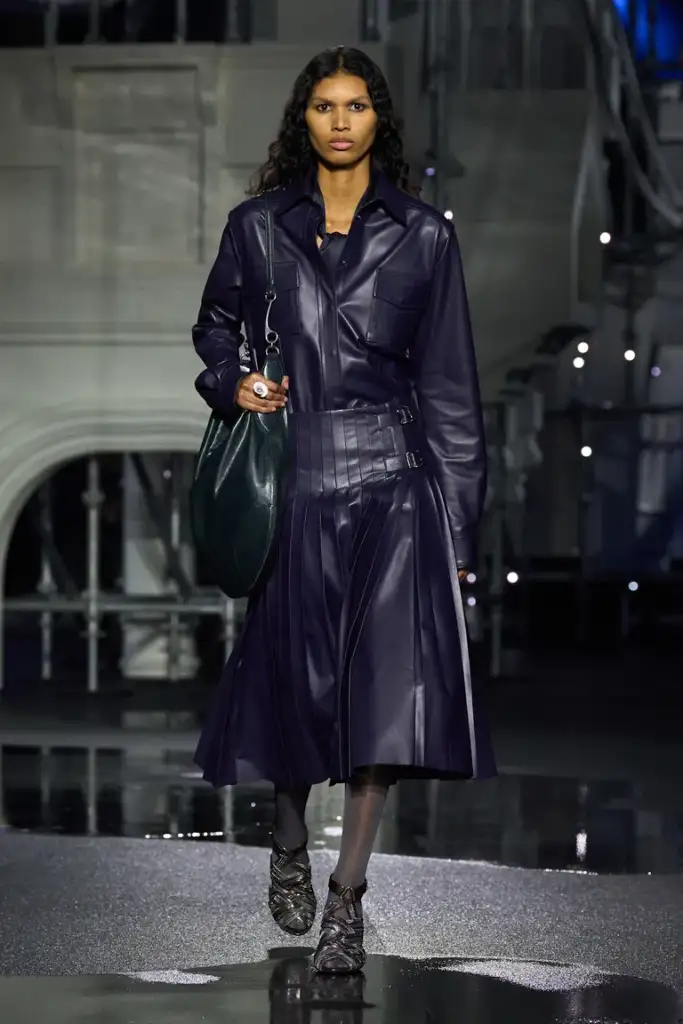
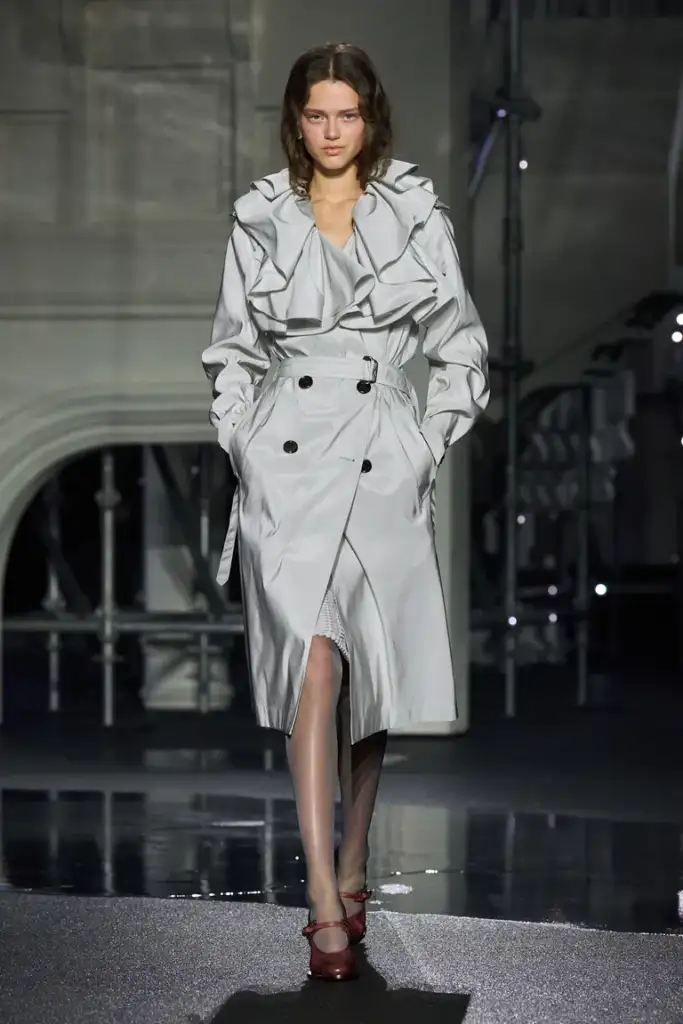
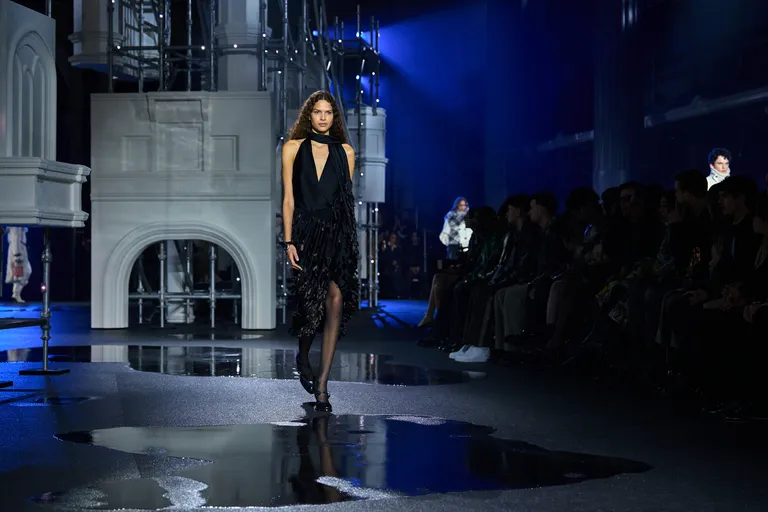
There could not have been a more British closing than Burberry’s finale at Billingsgate. After 170 years of elegant styling, the show paid homage to London while returning to what the brand is most known for: the trench coat.
Designed by Daniel Lee, the collection offered a renewed take on the classic trench. He introduced updated versions with ruffles in technical taffeta and bold plaid graphics. Another innovative step was the use of shearling as the base for multiple fur-like effects, creating textures that resembled fox, mink, or pony skin.
Presented during a period of particularly wet weather, the collection felt timely. The designer aimed to create pieces that were genuinely functional for the United Kingdom’s rainy climate while maintaining refinement. Daniel Lee’s eveningwear-centric lineup featured classic wrap and bias-cut dresses in fluid satin, accented with playful scarves, fringing, and embroidery.
And honestly, how else could one say farewell to London Fashion Week than with something as poetic as a love letter to London after dark by Burberry?
The collections at this year’s London Fashion Week once again ushered in a wave of contrasting prints and distinctive storytelling, LFW AW 26 as always, operated in its own lane, and now, all eyes turn to what Milan and Paris have to offer next.
Read more Fashion articles from KLATMAG
Written by Maria Jonah
Edited by Angel Joanne Okonkwo